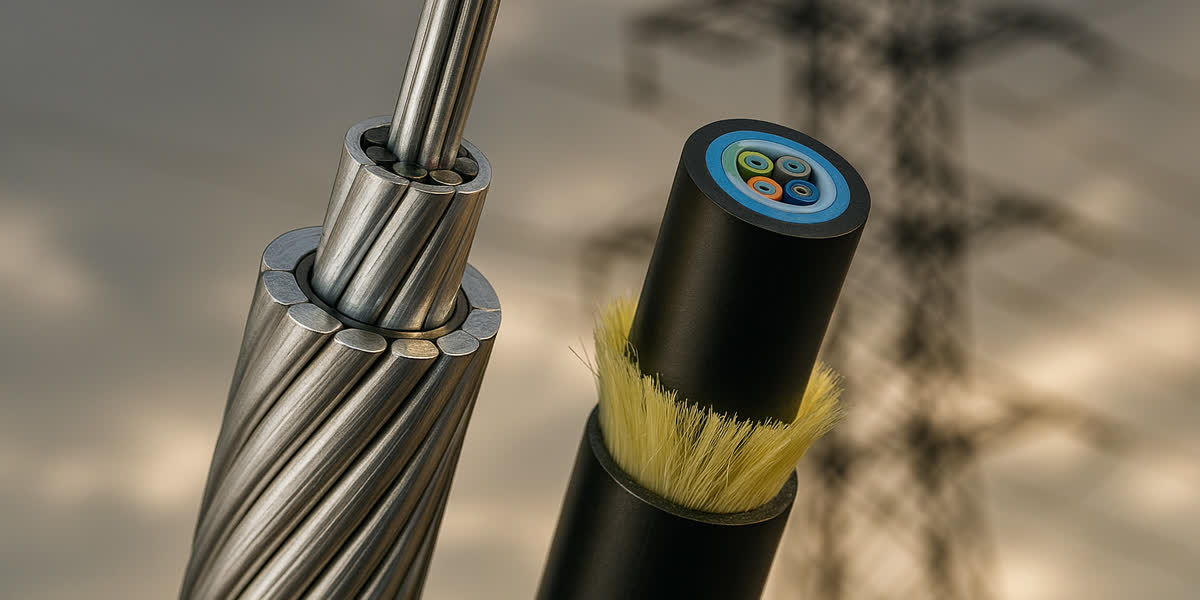
Conductor ACAR (Aluminio Reforzado con Aleación de Aluminio): Guía Técnica Completa para Transmisión de Energía
Conductor ACAR (Aluminio Reforzado con Aleación de Aluminio): Guía Técnica Completa para Transmisión de Energía
ACAR (Aluminum Conductor Alloy Reinforced, en español Conductor de Aluminio Reforzado con Aleación de Aluminio) es un conductor cableado de alto rendimiento diseñado para líneas de transmisión y distribución de energía aérea. Combina la alta conductividad del aluminio (hilos 1350-H19) con la resistencia superior de la aleación de aluminio (hilos 6201-T81), ofreciendo un equilibrio excepcional entre eficiencia eléctrica, resistencia mecánica y resistencia a la corrosión. Esta guía completa cubre todo lo que ingenieros, especialistas en adquisiciones y gerentes de proyectos de servicios públicos necesitan saber sobre los conductores ACAR para proyectos de transmisión y distribución.
¿Qué es un Conductor ACAR?
ACAR es un conductor cableado concéntricamente fabricado con una combinación de dos tipos de hilos de aluminio:
- Hilos de aluminio 1350-H19 — Proporcionan alta conductividad eléctrica (61.2% IACS)
- Hilos de aleación de aluminio 6201-T81 — Proporcionan refuerzo mecánico con mayor resistencia a la tracción
A diferencia del ACSR, donde se utiliza acero para el refuerzo, ACAR utiliza hilos de aleación de aluminio como núcleo y/o capas intermedias. Esta construcción totalmente de aluminio elimina los problemas de corrosión galvánica entre el acero y el aluminio, haciendo que ACAR sea particularmente adecuado para entornos costeros y altamente corrosivos.
El conductor ACAR fue desarrollado como una opción intermedia entre el ACSR de alta resistencia y el AAC de alta conductividad, ofreciendo una combinación única de propiedades adecuadas para una amplia gama de aplicaciones en líneas aéreas.
Construcción del Conductor ACAR
Configuraciones de Cableado
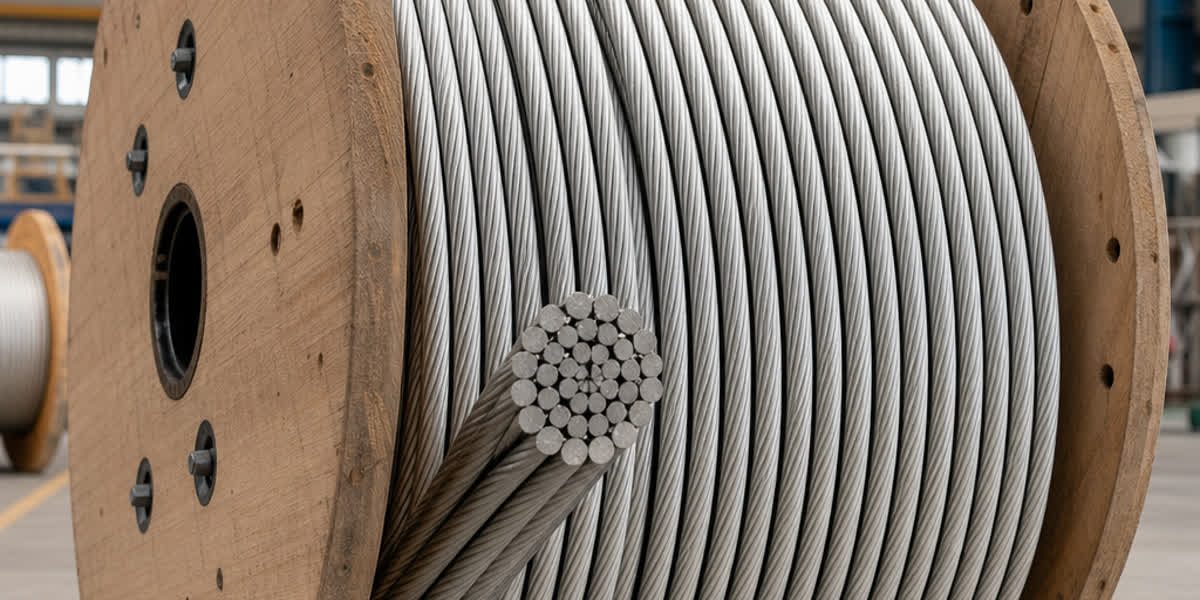
Los conductores ACAR se fabrican utilizando el método de cableado concéntrico, donde los hilos individuales se aplican helicoidalmente en capas alrededor de un hilo central. Las configuraciones estándar siguen las especificaciones ASTM B524 e IEC 61089.
| Tipo de Cableado | Hilos de Aluminio (1350-H19) | Hilos de Aleación (6201-T81) | Total de Hilos | Aplicaciones Típicas |
|---|---|---|---|---|
| 6/1 | 6 | 1 | 7 | Líneas de distribución |
| 12/7 | 12 | 7 | 19 | Distribución y subtransmisión |
| 18/1 | 18 | 1 | 19 | Distribución ligera |
| 24/7 | 24 | 7 | 31 | Líneas de transmisión |
| 30/7 | 30 | 7 | 37 | Líneas de transmisión |
| 30/19 | 30 | 19 | 49 | Transmisión de largo vano |
| 36/1 | 36 | 1 | 37 | Subtransmisión |
| 42/7 | 42 | 7 | 49 | Transmisión de alta capacidad |
| 54/7 | 54 | 7 | 61 | Transmisión de alta capacidad |
| 54/19 | 54 | 19 | 73 | Vano extralargo |
| 84/19 | 84 | 19 | 103 | Extra alta tensión (EHV) |
La proporción de hilos de aleación respecto al total determina la resistencia a la tracción general y la conductividad del conductor.
Propiedades de los Materiales de los Hilos
| Propiedad | Aluminio 1350-H19 | Aleación de Aluminio 6201-T81 |
|---|---|---|
| Conductividad (% IACS) | 61.2% | 52.5% |
| Resistencia a la Tracción Mínima (MPa) | 186 | 317 |
| Densidad (g/cm³) | 2.70 | 2.70 |
| Coeficiente de Expansión Lineal (/°C) | 23.0 × 10⁻⁶ | 23.0 × 10⁻⁶ |
| Módulo de Elasticidad (GPa) | 69 | 69 |
| Resistencia a la Corrosión | Excelente | Excelente |
ACAR vs. Otros Tipos de Conductores
ACAR vs. ACSR
| Parámetro | ACAR | ACSR |
|---|---|---|
| Material del Núcleo | Aleación 6201-T81 | Acero Galvanizado |
| Conductividad | Mayor (≈55-60% IACS) | Menor (≈53-58% IACS) |
| Relación Resistencia-Peso | Buena | Excelente |
| Resistencia a la Corrosión | Excelente (sin corrosión galvánica) | Moderada (núcleo de acero requiere galvanizado) |
| Peso | Más ligero (todo aluminio) | Más pesado (núcleo de acero) |
| Flecha a Alta Temperatura | Moderada | Excelente (menor expansión térmica) |
| Costo por km | Mayor que AAC, similar a ACSR | Moderado |
| Pérdidas Magnéticas | Ninguna (no magnético) | Presentes (el acero es magnético) |
ACAR vs. AAC
| Parámetro | ACAR | AAC |
|---|---|---|
| Material del Núcleo | Aleación 6201-T81 | Ninguno |
| Conductividad | Moderada (55-60% IACS) | Máxima (61% IACS) |
| Resistencia a la Tracción | Alta | Baja a Moderada |
| Capacidad de Vano | Media a Larga | Corta a Media |
| Resistencia a la Corrosión | Excelente | Excelente |
| Costo | Mayor | Menor |
ACAR vs. AAAC
| Parámetro | ACAR | AAAC |
|---|---|---|
| Composición | 1350-H19 + 6201-T81 | Todo 6201-T81 |
| Conductividad | Mayor (hilos mixtos) | Menor (52.5% IACS) |
| Resistencia a la Tracción | Moderada-Alta | Alta |
| Resistencia a la Corrosión | Excelente | Excelente |
| Ductilidad | Mejor que AAAC | Menor |
| Costo | Moderado | Mayor |
Especificaciones Técnicas (Tamaños Estándar)
La siguiente tabla muestra los parámetros clave para tamaños comunes de conductores ACAR según ASTM B524:
| Nombre Clave | Área (kcmil) | Cableado | Diámetro (mm) | Resistencia Nominal (kN) | Resistencia DC @ 20°C (Ω/km) | Peso Aprox. (kg/km) |
|---|---|---|---|---|---|---|
| Thrasher | 556.5 | 12/7 | 22.25 | 47.17 | 0.0665 | 779 |
| Kiwi | 715.5 | 12/7 | 25.25 | 60.67 | 0.0519 | 1002 |
| Bluejay | 795.0 | 24/7 | 26.60 | 62.73 | 0.0464 | 1068 |
| Falcon | 1033.5 | 24/7 | 30.35 | 81.22 | 0.0356 | 1390 |
| Pheasant | 1320.0 | 24/7 | 34.30 | 103.98 | 0.0280 | 1778 |
| Lapwing | 1590.0 | 30/7 | 37.60 | 119.98 | 0.0232 | 2100 |
| Parrot | 1908.0 | 36/1 | 41.20 | 143.98 | 0.0194 | 2540 |
Los nombres clave siguen la convención estándar de nombres de aves según ASTM.
Ventajas Principales de los Conductores ACAR
1. Excelente Resistencia a la Corrosión
La construcción totalmente de aluminio de ACAR elimina la corrosión bimetálica (galvánica) que puede ocurrir entre el aluminio y el acero en los conductores ACSR. Esto hace que ACAR sea ideal para:
- Instalaciones costeras y marinas — Resistencia a la niebla salina
- Entornos industriales — Resistencia química y a la contaminación
- Regiones de alta humedad — Climas tropicales y subtropicales
- Conexiones de parques eólicos marinos
2. Alta Resistencia sin Pérdidas Magnéticas
El núcleo de aleación 6201-T81 proporciona refuerzo mecánico sin las pérdidas por histéresis magnética y corrientes parásitas asociadas con los conductores de núcleo de acero. Esto resulta en:
- Menores pérdidas eléctricas generales en el conductor
- Reducción del calentamiento por efectos magnéticos
- Mejor eficiencia en aplicaciones de transmisión de alta corriente
3. Construcción Ligera
Al ser completamente de aluminio, ACAR es aproximadamente 15-20% más ligero que los conductores ACSR de resistencia equivalente. Esto se traduce en:
- Menores costos de transporte
- Manejo e instalación más fáciles
- Reducción de la carga estructural en torres/postes
- Menores requisitos de cimentación
4. Rendimiento Superior a Altas Temperaturas
Los conductores ACAR con proporciones de aleación adecuadas pueden operar continuamente a temperaturas de hasta 100°C (y hasta 150°C en condiciones de emergencia), en comparación con 75-90°C para ACSR estándar. Esto proporciona:
- Mayor ampacidad sin necesidad de reconductorización
- Mayor capacidad de sobrecarga de emergencia
- Mejor rendimiento de flecha a temperaturas elevadas
5. Coeficiente de Expansión Térmica Uniforme
Dado que tanto el conductor como las capas de refuerzo son de aluminio, ACAR tiene un coeficiente de expansión térmica uniforme. Esto elimina los problemas de expansión diferencial entre el núcleo y las capas externas, reduciendo la concentración de tensiones y mejorando la fiabilidad a largo plazo.
Aplicaciones
Líneas de Transmisión de Energía Aérea
ACAR se utiliza ampliamente en líneas de transmisión de vanos medios a largos (69 kV a 345 kV) donde se requiere un equilibrio entre resistencia y conductividad. Las aplicaciones típicas incluyen:
- Transmisión rural — Vanos más largos con carga moderada
- Líneas de interconexión — Conexión de subestaciones a distancias moderadas
- Cruce de ríos y valles — Donde la resistencia a la corrosión y la resistencia son críticas
Distribución de Energía Costera
En regiones costeras, la resistencia a la corrosión de ACAR lo convierte en la opción preferida sobre ACSR. La ausencia de acero elimina las fallas relacionadas con la oxidación comunes en entornos con niebla salina.
Conexiones de Parques Eólicos Marinos
La combinación de resistencia a la corrosión, peso ligero y alta resistencia hace que ACAR sea adecuado para conexiones de parques eólicos marinos.
Suministro de Energía Industrial
Las plantas químicas, refinerías y otras instalaciones industriales con atmósferas corrosivas se benefician de las propiedades de corrosión superiores de ACAR.
Cruce de Ríos y Lagos
Las aplicaciones de vano largo sobre cuerpos de agua se benefician de la mayor relación resistencia-peso y la resistencia a la corrosión de ACAR.
Estándares de la Industria y Cumplimiento
Los conductores ACAR se fabrican de acuerdo con los siguientes estándares internacionales:
| Estándar | Título | Alcance |
|---|---|---|
| ASTM B524 | Especificación Estándar para Conductores de Aluminio Cableados Concéntricamente, Reforzados con Aleación de Aluminio (ACAR) | Estándar principal de EE.UU. para ACAR |
| IEC 61089 | Conductores Eléctricos Aéreos Cableados Concéntricamente de Hilo Redondo | Estándar internacional para conductores cableados |
| BS EN 50182 | Conductores para Líneas Aéreas — Conductores Cableados Concéntricamente de Hilo Redondo | Estándar europeo |
| ASTM B230 | Especificación Estándar para Alambre de Aluminio 1350-H19 para Fines Eléctricos | Especificación del hilo |
| ASTM B398 | Especificación Estándar para Alambre de Aleación de Aluminio 6201-T81 para Fines Eléctricos | Especificación del hilo de aleación |
| IEEE 524 | Guía para la Instalación de Conductores de Líneas de Transmisión Aéreas | Guía de instalación |
Guía de Selección de Conductores ACAR
Paso 1: Determinar Requisitos Eléctricos
- Capacidad de corriente (ampacidad) — Basada en los requisitos de carga del proyecto
- Límites de caída de tensión — Típicamente 3-5% para distribución, 1-3% para transmisión
- Clasificación de cortocircuito — Asegurar que el conductor soporte corrientes de falla
Paso 2: Evaluar Requisitos Mecánicos
- Longitud del vano — Vanos cortos (50-150m) pueden usar cableado 6/1; vanos largos (150-500m) necesitan 12/7 o superior
- Carga de hielo y viento — Usar NESC, IEC 60826 o criterios de carga locales
- Límites de flecha-tensión — Considerar la tensión del conductor a temperaturas máxima y mínima
Paso 3: Seleccionar ACAR vs. Alternativas
- Para entornos costeros/corrosivos → Preferir ACAR sobre ACSR
- Para máxima conductividad → Preferir AAC o ACAR sobre AAAC
- Para máxima resistencia → Preferir ACSR o AAAC
- Para importancia de pérdidas magnéticas → Preferir ACAR sobre ACSR
Paso 4: Verificar Compatibilidad de Accesorios
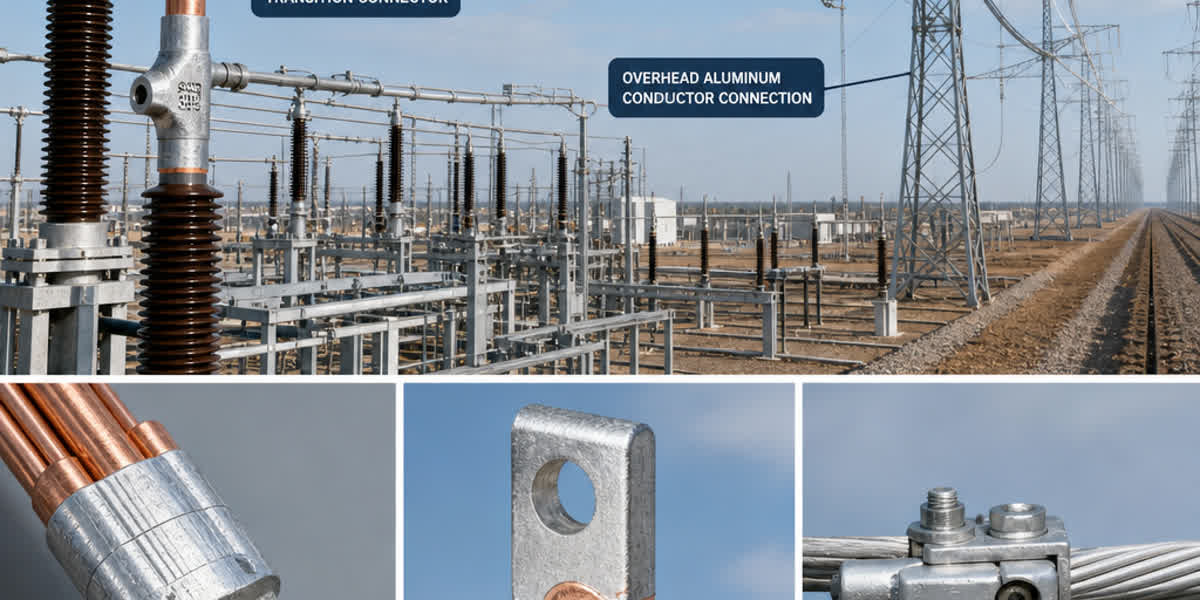
- Confirmar que los conectores, terminales y empalmes estén clasificados para ACAR (conexiones totalmente de aluminio)
- Usar herrajes compatibles con aluminio — evitar uniones de cobre-aluminio sin conectores bimetálicos adecuados
Guía de Instalación
Manipulación y Tendido
- Radio de curvatura mínimo: 10-15 veces el diámetro del conductor
- Tensión de tiro: No exceder el 20% de la resistencia nominal de ruptura
- Garras de tiro: Usar garras de tiro compatibles de aluminio
- Diámetro de la roldana: Mínimo 25 veces el diámetro del conductor
Empalmes y Terminales
- Conectores de compresión: Usar conectores de compresión de aluminio con matriz adecuada
- Conectores atornillados: Clasificados para conductores totalmente de aluminio, con inhibidor de corrosión
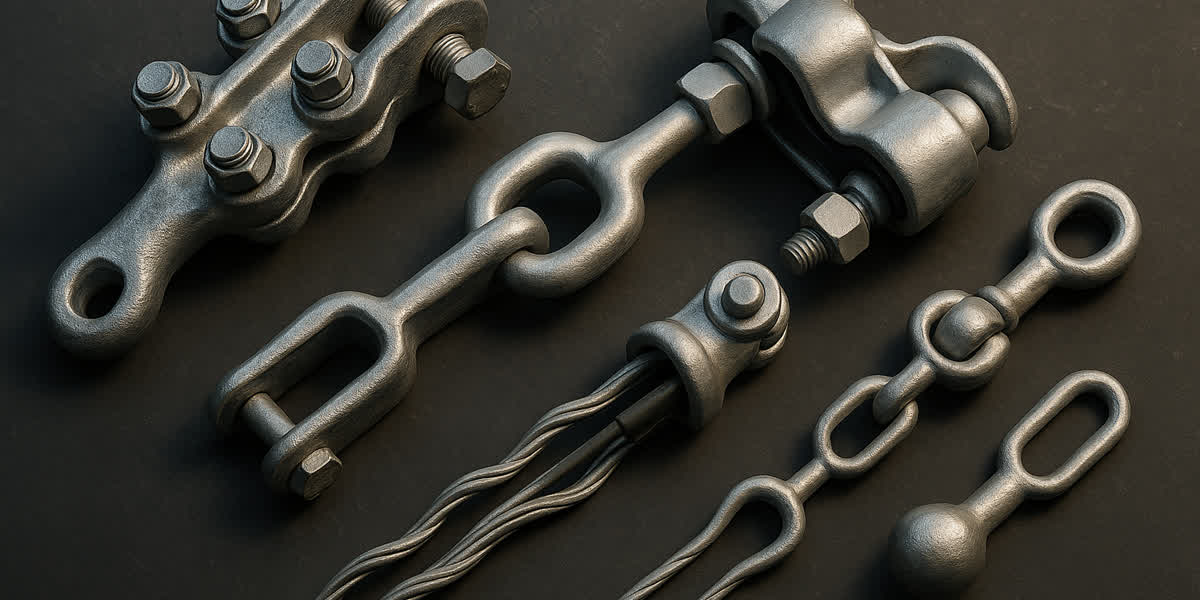
- Grapas de anclaje: Varillas de blindaje de aluminio o anclajes preformados
- Herrajes helicoidales: Usar varillas helicoidales de aleación de aluminio
Flecha-Tensión
- Flecha inicial: Aplicar 50-60% de la resistencia nominal durante la instalación inicial
- Flecha final: Esperada después de 1-3 años de estabilización por fluencia
- Margen de fluencia: Típicamente 0.03-0.05% de la longitud del vano para el diseño inicial
Preguntas Frecuentes (FAQ)
P1: ¿Cuál es la diferencia entre ACAR y ACSR?
ACAR utiliza hilos de aleación de aluminio (6201-T81) para el refuerzo en lugar de hilos de acero galvanizado utilizados en ACSR. ACAR tiene mayor conductividad, mejor resistencia a la corrosión y es más ligero que ACSR, pero ACSR ofrece mayor resistencia a la tracción general y mejor rendimiento de flecha a altas temperaturas.
P2: ¿Es ACAR más caro que ACSR?
ACAR generalmente tiene un precio comparable al ACSR para tamaños equivalentes. La construcción totalmente de aluminio elimina la necesidad de un núcleo de acero galvanizado, pero los hilos de aleación 6201-T81 son más caros que el acero. El costo total instalado suele ser similar, especialmente considerando la reducción del mantenimiento por corrosión.
P3: ¿Se puede usar ACAR para transmisión de EHV (Extra Alta Tensión)?
Sí. ACAR es adecuado para líneas de EHV de hasta 345 kV o más. La configuración de cableado 84/19 se usa comúnmente para aplicaciones de EHV. La superficie lisa y las propiedades no magnéticas lo hacen particularmente atractivo para líneas de más de 230 kV.
P4: ¿ACAR requiere conectores especiales?
ACAR requiere conectores diseñados para conductores totalmente de aluminio. Los conectores de compresión de aluminio estándar son generalmente compatibles. La clave es evitar introducir metales diferentes (especialmente cobre) sin conectores de transición bimetálicos adecuados.
P5: ¿Cuál es la temperatura máxima de operación para ACAR?
Los conductores ACAR estándar tienen una temperatura de operación continua de 100°C, con clasificaciones de emergencia de hasta 150°C por duraciones limitadas. Esto es más alto que el ACSR estándar (75-90°C) pero más bajo que algunos conductores de alta temperatura como ACCC o GTACSR.
P6: ¿Cómo se desempeña ACAR en entornos costeros?
Excepcionalmente bien. La construcción totalmente de aluminio de ACAR elimina por completo la corrosión galvánica, lo que lo convierte en una excelente opción para aplicaciones costeras, marinas y marítimas donde hay presencia de niebla salina.
P7: ¿Qué tamaños estándar están disponibles para ACAR?
Los conductores ACAR están disponibles desde aproximadamente 40 mm² (6/1) hasta 2000 mm² (84/19) o más, siguiendo los tamaños estándar de ASTM B524 e IEC 61089. Las designaciones de nombres clave (Thrasher, Kiwi, Bluejay, etc.) siguen la convención de nombres de aves según los estándares ASTM.
Enlaces Internos
Para productos y precios de conductores ACAR de SiTong Cable, visite nuestra categoría de productos ACAR.
Para tipos de conductores relacionados: - Productos AAC - Productos AAAC - Productos ACSR - Productos de Alambre de Acero Galvanizado
Lectura adicional: - ACSR vs AAAC vs ACSS: Guía de Comparación Definitiva - Guía de Especificaciones Técnicas del Conductor AAC - El Papel Crítico de los Estándares ASTM en Cables de Energía
Conclusión
ACAR (Conductor de Aluminio Reforzado con Aleación de Aluminio) representa un punto medio inteligente en el mundo de los conductores aéreos. Su combinación única de alta conductividad de los hilos de aluminio 1350-H19 y resistencia mejorada de los hilos de aleación 6201-T81 lo hace ideal para aplicaciones que requieren tanto eficiencia eléctrica como fiabilidad mecánica, particularmente en entornos costeros, industriales y ambientalmente desafiantes.
Para ingenieros y profesionales de adquisiciones que evalúan opciones de conductores para proyectos de transmisión y distribución, ACAR ofrece un excelente equilibrio de características de rendimiento que a menudo supera tanto a AAC como a ACSR en aplicaciones específicas. Cuando la resistencia a la corrosión, las bajas pérdidas magnéticas y la construcción ligera son prioridades del proyecto, ACAR es frecuentemente la opción óptima de conductor.
Para más información sobre especificaciones, precios y plazos de entrega de conductores ACAR, contacte a SiTong Cable — su fabricante de confianza de conductores aéreos desnudos de alta calidad.