Guía Completa de Instalación y Mantenimiento del Conductor AAC (Aleación de Aluminio)
Guía Completa de Instalación y Mantenimiento del Conductor AAC (Aleación de Aluminio)
1. Introducción
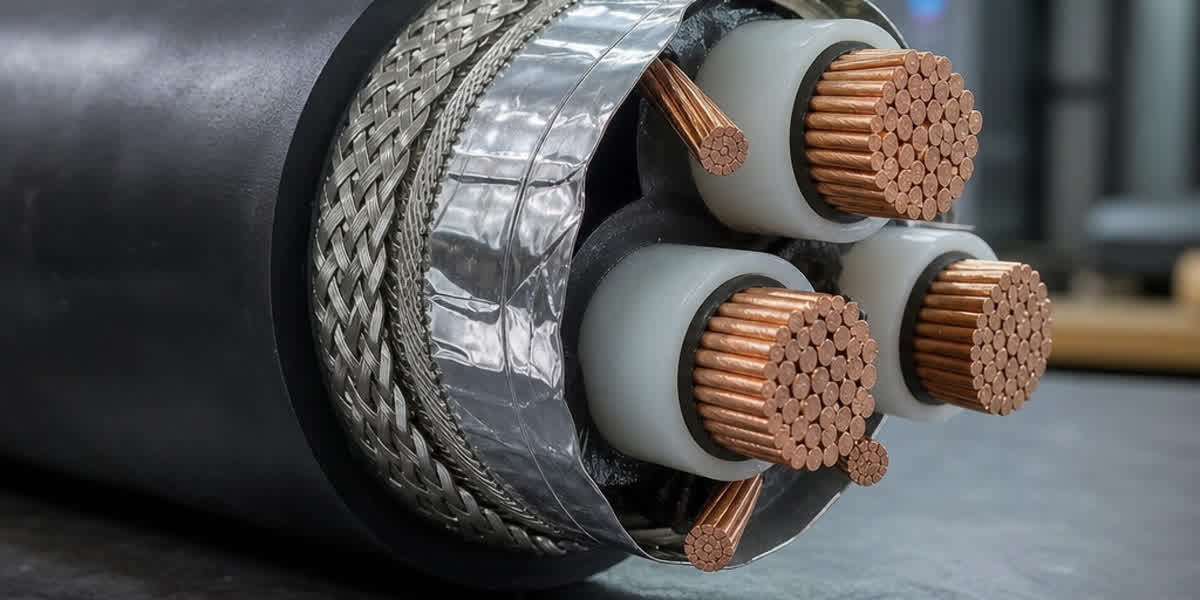
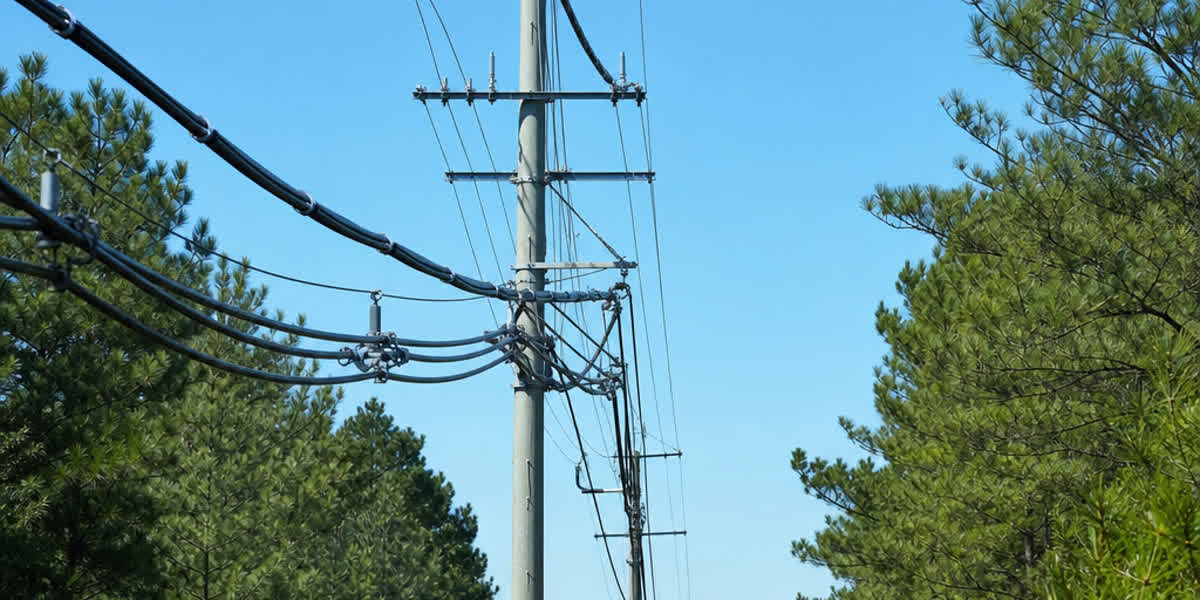
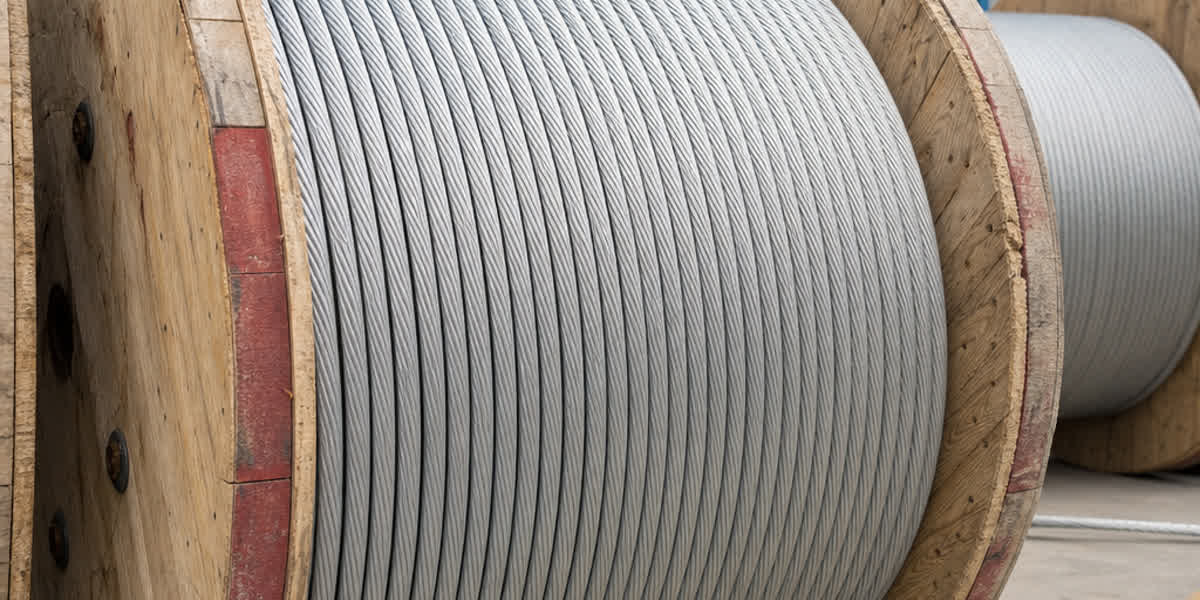
El conductor de aluminio en toda su sección (AAC — All Aluminum Conductor) está fabricado con alambres de aleación de aluminio de grado eléctrico 1350-H19 o 1350-O. Con una conductividad eléctrica del 61% IACS, construcción ligera y excelente resistencia a la corrosión, el AAC se utiliza ampliamente en redes de distribución urbanas, regiones costeras y líneas de transmisión de distancia corta a media. A diferencia del ACSR (conductor de aluminio con refuerzo de acero), el AAC no contiene núcleo de acero: su construcción es más simple, más fácil de manejar durante la instalación y particularmente adecuado para aplicaciones donde la resistencia a la corrosión es crítica y los requisitos de tensión son moderados.
Esta guía está diseñada para ingenieros de campo, equipos de construcción de líneas y equipos de mantenimiento. Cubre la preparación, procedimientos de instalación, pruebas de aceptación, mantenimiento rutinario y resolución de problemas para conductores AAC, ayudando a maximizar la vida útil y la fiabilidad operativa.
2. Preparación Previa a la Instalación
2.1 Inspección de Recepción y Almacenamiento
| Elemento de Inspección | Criterio de Aceptación | Notas |
|---|---|---|
| Inspección visual | Sin alambres rotos, corrosión o daños mecánicos | Use lupa para microgrietas superficiales |
| Integridad del carrete | Sin daños en el tambor de madera; flejes de acero intactos | Registre el número de carrete y número de serie |
| Documentación | Certificado de conformidad, informe de tracción, informe de resistencia | Verifique contra la orden de compra |
| Verificación de longitud | Método de resistencia o método de pesaje | La desviación no excederá el ±2% |
| Embalaje | Envoltura impermeable exterior intacta | Revise los alambres interiores si el embalaje está dañado |
⚠️ Importante: El AAC es más blando que el ACSR y más susceptible a indentaciones y abrasión durante el transporte. Inspeccione cada carrete al recibirlo. Documente cualquier daño inmediatamente con fotos y notifique al proveedor.
2.2 Lista de Verificación de Equipos y Herramientas
| Categoría de Herramienta | Equipo Requerido | Notas de Aplicación |
|---|---|---|
| Equipo de tracción | Tractor hidráulico (control de tensión constante), cabrestante | Velocidad de tracción ≤ 5 m/min (recomendación AAC) |
| Equipo de tendido | Tensador (control de velocidad continua), soportes de carrete | Mantener tensión constante para evitar arrastre en el suelo |
| Poleas de tendido | Poleas forradas de nailon, poleas de esquina, poleas de puesta a tierra | Diámetro de polea ≥ 20× diámetro del conductor |
| Herramientas de empalme | Herramienta de compresión hidráulica (400 kN+), matrices (según tamaño del conductor) | Se requiere prueba de tracción en muestras |
| Herramientas de flechado | Tensor de tipo come-along, célula de carga | Tensión de flechado al 90% del objetivo de diseño |
| Equipo de seguridad | Varillas de puesta a tierra, guantes aislantes, detector de tensión, arnés de seguridad | Verifique fechas de caducidad antes del uso |
| Instrumentos de medición | Cámara termográfica, telémetro láser, dinamómetro, multímetro | Para verificación de parámetros y pruebas de aceptación |
2.3 Elementos Esenciales del Plan de Construcción
- Longitud de la sección de tendido: Máximo 2 km por sección para AAC. Secciones más largas aumentan el riesgo de abrasión contra el suelo.
- Protección de cruces: Instale estructuras de protección o redes de seguridad al cruzar carreteras, vías férreas o líneas energizadas.
- Dirección de tendido: Tire desde la elevación más alta hacia la más baja para minimizar la fricción conductor-polea.
- Condiciones climáticas: Viento ≤ escala Beaufort 5, sin precipitaciones, temperatura ambiente ≥ -10°C.
3. Cálculos de Ingeniería
3.1 Cálculo de Flecha y Tensión
El análisis de flecha-tensión del AAC utiliza el modelo de catenaria o la aproximación parabólica:
Fórmula parabólica:
D = (w × S²) / (8 × T)
Donde: - D = flecha (m) - w = peso del conductor por unidad de longitud (kg/m) - S = longitud del vano (m) - T = tensión horizontal (N)
Parámetros Típicos de Diseño AAC:
| Parámetro | Valor Recomendado | Notas |
|---|---|---|
| Tensión de trabajo máxima | 20% RTS (resistencia a la tracción nominal) | AAC es sensible a la fluencia; evitar tensiones más altas |
| Tensión inicial de tendido | 15% RTS | Considera la fluencia a largo plazo |
| Factor de seguridad | ≥ 3,0 (conductor) | Según IEC 60826 |
| Rango de temperatura | -20°C a +80°C (operación normal) | Temperatura máxima continua AAC: 90°C |
3.2 Características de Fluencia
El AAC no tiene núcleo de acero, por lo que los efectos de fluencia del aluminio son más pronunciados que en el ACSR. La fluencia causa elongación permanente y aumento de la flecha.
| Etapa de Fluencia | Rango de Tiempo | Deformación por Fluencia (% longitud inicial) | Factores Influyentes |
|---|---|---|---|
| Fluencia primaria | 0-50 horas | 0,02%-0,05% | Nivel de tensión, temperatura |
| Fluencia secundaria | 50-5.000 horas | 0,05%-0,15% | Tiempo, temperatura (ley de Arrhenius) |
| Terciaria (estable) | > 5.000 horas | Se estabiliza | Crecimiento continuo muy lento |
💡 Consejo de Diseño: Utilice la técnica de "pre-estiramiento por compensación de fluencia" — aplique 30% RTS durante 30-60 minutos antes del flechado final para eliminar la mayor parte de la fluencia primaria. Ajuste la flecha inicial al 95% del valor objetivo final.
3.3 Efectos de la Expansión Térmica
El AAC tiene un coeficiente de expansión lineal de 23,0 × 10⁻⁶ /°C (comparado con 18,9 × 10⁻⁶ /°C para ACSR), lo que hace que los efectos de temperatura sean más significativos:
ΔD = (α × ΔT × S²) / (8 × T)
Donde α es el coeficiente de expansión y ΔT es la diferencia de temperatura.
Flecha vs. Temperatura (AAC 400 mm², vano de 200 m):
| Temperatura | Flecha (m) | Cambio desde 20°C |
|---|---|---|
| -10°C | 1,85 | -0,45 m |
| 20°C | 2,30 | Referencia |
| 40°C | 2,58 | +0,28 m |
| 60°C | 2,89 | +0,59 m |
3.4 Capacidad de Transporte de Corriente
La ampacidad del AAC se calcula según IEEE 738 / IEC 61597:
I = √[(q_c + q_r - q_s) / R(T)]
Donde q_c es la pérdida de calor por convección, q_r es la pérdida por radiación, q_s es la ganancia de calor solar y R(T) es la resistencia en CA a la temperatura de operación.
⚠️ Diferencia Clave: A igual sección transversal, el AAC transporta 5%-10% más corriente que el ACSR porque no tiene núcleo de acero que cause pérdidas por histéresis y corrientes parásitas. Sin embargo, el límite de tensión de trabajo más bajo del AAC (20% RTS vs. 25%-30% para ACSR) requiere verificación adicional de flecha a alta carga.
4. Procedimiento de Instalación
4.1 Tendido del Conductor
| Paso | Operación | Requisitos Técnicos |
|---|---|---|
| 1 | Posicionar soportes de carrete | Salida alineada con dirección de tracción; conectar puesta a tierra |
| 2 | Tracción inicial | Usar línea piloto de nailon con giratorio para conectar al conductor |
| 3 | Tendido con tensión | Mantener tensión al 2%-5% del nominal — evitar arrastre en suelo |
| 4 | Vigilancia de poleas | Personal en poleas de esquina para evitar saltos del conductor |
| 5 | Tirar hasta la torre | Marcar posición, anclaje temporal, mantener tensión |
| 6 | Observación de flecha | Usando teodolito o telémetro láser |
⚠️ Seguridad: El AAC tiene baja rigidez torsional. Use siempre un giratorio durante el tendido para evitar torceduras. Una vez que se forma una torcedura, la sección afectada debe cortarse y reempalmarse.
4.2 Operación de Flechado
| Paso | Operación | Requisitos Técnicos |
|---|---|---|
| 1 | Preparación de anclaje | Instalar grapa de anclaje en torre terminal; pretensar al 10% del diseño |
| 2 | Flechar la línea | Progresar desde un extremo, en 2-3 pasadas |
| 3 | Ajuste de tensión | Monitorear con célula de carga; ajustar a ±3% del valor de diseño |
| 4 | Ajuste fino de flecha | Ajustar según temperatura observada usando tabla de referencia |
| 5 | Instalar grapa de anclaje | Instalar y comprimir en el extremo opuesto |
| 6 | Anclar | Asegurar ambos extremos; instalar amortiguadores de vibración |
Control Típico de Flecha AAC (400 mm², zona de viento 3):
| Condición | Temperatura | Tensión de Control (kN) | Flecha (m) |
|---|---|---|---|
| Tendido inicial | 20°C | 8,5 (15% RTS) | 2,30 |
| Post-fluencia | - | 8,0 | 2,45 |
| Carga máxima | -5°C + hielo | 11,3 (20% RTS) | 1,85 |
| Alta temperatura | 80°C | 6,1 | 3,20 |
4.3 Compresión del Conductor
El empalme y anclaje del AAC se realizará solo mediante compresión hidráulica. No se permite el crimpado explosivo o mecánico.
| Tipo de Unión | Ubicación | Requisitos de Matriz | Compresiones | Criterio de Aceptación |
|---|---|---|---|---|
| Anclaje (tensión) | Torres terminales y de ángulo | Matrices hexagonales u octogonales | ≥ 3 por tubo | ≥ 95% RTS del conductor |
| Empalme de tensión (en vano) | Uniones en vano | Matrices hexagonales | ≥ 5 por tubo | ≥ 95% RTS del conductor |
| Puente (sin tensión) | Puentes en torres de tensión | Coincidir con diámetro del conductor | 2 por tubo | Conexión fiable, baja resistencia de contacto |
💡 Consejos de Compresión AAC: Los alambres de aluminio AAC son más blandos que los de ACSR. Las matrices deben tener precisión — holgura ≤ 0,5 mm. Mida el diámetro entre caras después de la compresión; la desviación no excederá ±0,2 mm.
4.4 Mitigación de Vibraciones
| Medida | Aplicación | Distancia de Instalación | Cantidad |
|---|---|---|---|
| Amortiguador Stockbridge | Vanos estándar (200-500 m) | 0,5-1,5 m del anclaje | 1-2 por extremo |
| Amortiguador separador | Vanos largos o doble haz | Según diseño | Cada 50-80 m |
| Varillas de protección | Todos los vanos | Cubrir 150-300 mm desde salida de grapa | 1 juego por extremo |
| Hélices preformadas | Vanos cortos a medios | 100-200 mm desde salida de grapa | 1 juego por extremo |
⚠️ Nota Específica AAC: El AAC tiene mejor auto-amortiguamiento que el ACSR (sin núcleo de acero — mayor fricción interna), pero los amortiguadores de vibración siguen siendo necesarios en zonas de vibración eólica (2-8 m/s). Utilice el "método de balance de energía" para el diseño de amortiguadores.
4.5 Puesta a Tierra y Conexiones
| Componente | Requisito | Norma |
|---|---|---|
| Cable de tierra | ≥ 70 mm² de cobre trenzado | IEEE 837 |
| Resistencia de tierra | ≤ 10 Ω por torre | IEC 62305 |
| Conexiones de puente | Grapas de ranura paralela o tipo H | Resistencia de contacto ≤ 1,2× longitud equivalente del conductor |
| Conductor-herrajes | Los herrajes de acero deben ser galvanizados en caliente (≥ 86 μm) | ASTM A123 |
5. Inspección y Pruebas Posteriores a la Instalación
| Elemento de Inspección | Método | Criterio de Aceptación |
|---|---|---|
| Flecha | Teodolito o telémetro láser | Desviación ≤ ±5% del diseño |
| Tensión | Medición con célula de carga | Desviación ≤ ±3% del diseño |
| Superficie del conductor | Inspección visual completa | Sin alambres rotos; sin indentaciones > 0,5 mm |
| Empalmes comprimidos | Medición entre caras + rayos X | Desviación ≤ 0,2 mm; compresión ≥ 95% |
| Resistencia de contacto | Micro-ohmímetro | ≤ 1,2× resistencia equivalente del conductor |
| Distancias de seguridad | Cinta métrica o láser | ≥ Distancia mínima de diseño |
| Contramedidas de vibración | Visual + prueba de agarre | Instalación firme; deslizamiento ≤ 2 mm |
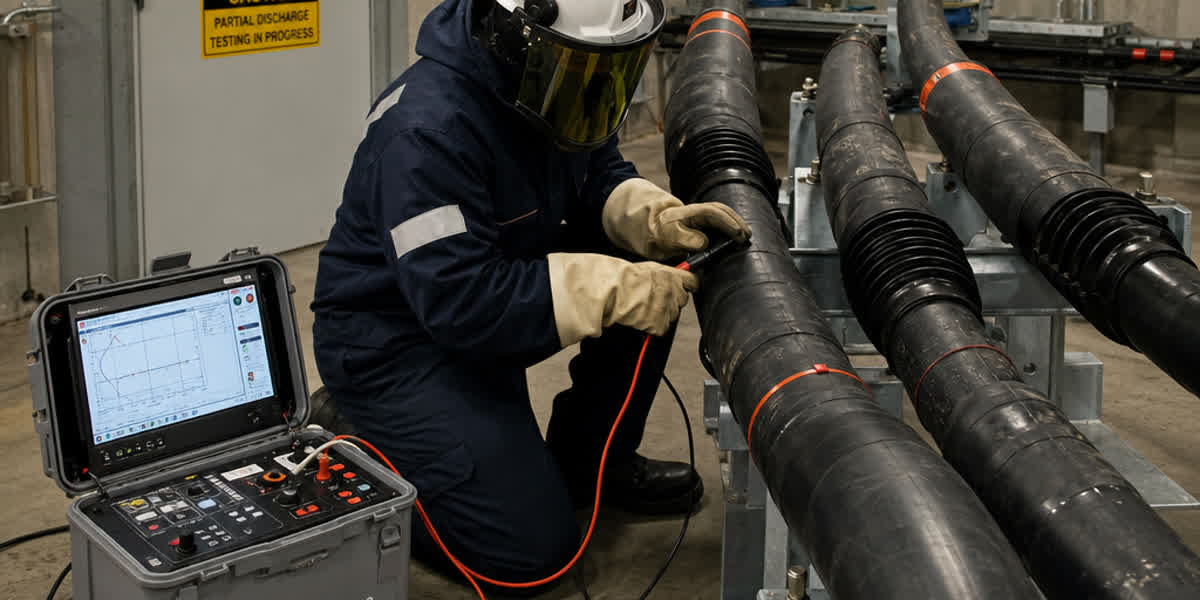
| Prueba de corona | Cámara UV (noche o nublado) | Sin puntos de descarga corona visibles |
6. Programa de Mantenimiento Rutinario
| Frecuencia | Actividad de Mantenimiento | Detalles |
|---|---|---|
| Mensual | Termografía infrarroja | Escanear empalmes, anclajes, puentes — aumento de temperatura ≤ 10°C sobre ambiente |
| Trimestral | Medición de flecha | Medir vanos representativos, registrar tendencia |
| Semestral | Inspección de amortiguadores | Verificar desplazamiento, desgaste, desprendimiento; ajustar si deslizamiento > 10 mm |
| Anual | Patrullaje completo | Inspección a pie o con dron por corrosión, alambres rotos, objetos extraños |
| Cada 3 años | Ensayo de tracción de muestra | Tomar muestras de 1 m de cada extremo; ensayo de tracción y torsión en laboratorio |
| Cada 5 años | Revisión de parámetros eléctricos | Medir resistencia CC, reactancia, capacitancia — comparar con diseño |
| Cada 10 años | Evaluación de gran reparación | Evaluar vida útil restante basada en datos históricos; determinar necesidad de re-conductorización |
📊 Análisis de Tendencias: El aumento anual de flecha es el indicador de degradación más sensible para líneas AAC. Cree una base de datos "flecha vs. tiempo". Un aumento de flecha superior al 3% en un año justifica investigación. Monitoree el punto caliente máximo a lo largo del tiempo para identificar patrones de degradación acelerada.
7. Solución de Problemas Comunes
| Problema | Causa Probable | Solución |
|---|---|---|
| Flecha excesiva | Fluencia no compensada; tensión inicial baja; sobrecarga | Re-flechar la línea; verificar tensión de diseño; limitar carga |
| Empalme/conector caliente | Mala compresión; oxidación superficial | Rectificar y re-comprimir; reemplazar grapa; aplicar grasa conductora |
| Vibración eólica / alambres rotos | Amortiguadores faltantes o defectuosos | Instalar amortiguadores adecuados; reemplazar alambres dañados |
| Torcedura del conductor | Sin giratorio durante el tendido | Cortar sección torcida; re-tender con giratorio |
| Corrosión por picadura | Ambiente costero/industrial; recubrimiento dañado | Aplicar grasa anticorrosiva; acortar intervalos de inspección |
| Descarga corona | Rebaba superficial o residuos; gran altitud / alto campo | Alisar superficie; instalar anillos de gradiente |
| Sobrecarga de hielo | Margen de diseño insuficiente | Añadir medidas de deshielo (fusión por corriente); mejorar monitoreo |
| Fatiga en salida de herrajes | Daño acumulativo por vibración eólica | Revisar sistema de amortiguación; añadir varillas de protección |
8. Consideraciones de Seguridad
| Peligro | Precaución |
|---|---|
| Tensión inducida | Instalar puesta a tierra en ambos extremos de la zona de trabajo; usar protecciones personales |
| Tensión de tracción descontrolada | Tractor y tensador deben tener protección contra sobrecarga; mantener comunicación |
| Caídas desde altura | Usar arnés de doble anclaje en torres; establecer zona de seguridad debajo |
| Operación de compresión | El operador debe estar entrenado; mantener manos lejos del área de cierre de matriz |
| Rotura del conductor durante flechado | Mantener al personal fuera de la zona de flechado; usar limitadores de tensión |
| Clima severo | No trabajar en altura o tender cuando viento > escala Beaufort 8 o durante tormentas eléctricas |
| Proximidad a líneas energizadas | Mantener distancia mínima de aproximación (10 kV ≥ 1,5 m; 110 kV ≥ 3,0 m) |
9. Preguntas Frecuentes (FAQ)
P1: ¿Cuáles son las principales diferencias entre AAC y ACSR durante la instalación? El AAC es más blando, más propenso a la fluencia y requiere matrices de compresión más precisas. La tensión de tendido debe limitarse al 20% RTS (vs. 25%-30% para ACSR). Es obligatorio usar un giratorio durante el tendido para evitar torceduras. El mantenimiento debe centrarse en las tendencias de flecha y el comportamiento de fluencia.
P2: ¿Cuál es la temperatura máxima de operación del AAC? Según ASTM B230 / IEC 61089, la temperatura de operación estándar es 75°C-90°C (según temple H19 u O). La carga de emergencia (contingencia) hasta 100°C-120°C es permisible por no más de 1 hora.
P3: ¿Cuál es la longitud máxima de vano para AAC? Depende de la sección transversal y la zona climática. Rangos típicos: AAC 50 mm²: 80-120 m; AAC 200 mm²: 150-250 m; AAC 500 mm²: 200-350 m. Más allá de estos rangos, considere AAAC, ACAR o ACSR.
P4: ¿Cuándo se debe reemplazar el AAC? Reemplazar cuando: la resistencia a la tracción cae por debajo del 80% del RTS original; la sección transversal restante por corrosión es inferior al 75%; los alambres rotos superan el 5% del total; el aumento anual de flecha supera el 3% durante tres años consecutivos; la temperatura del empalme supera los 15°C en dos termografías consecutivas.
P5: ¿Qué medidas de protección anticorrosión se recomiendan para instalaciones AAC costeras? El AAC tiene mejor resistencia a la corrosión inherente que los conductores de cobre o con núcleo de acero. Para entornos costeros extremos (< 5 km de la costa), considere: usar temple recocido 1350-O (más resistente a la corrosión que H19); incluir inspección anual de corrosión en el plan de mantenimiento; usar herrajes de acero inoxidable; aplicar inhibidor de corrosión en fase de vapor donde sea práctico.
P6: ¿Se debe precargar el AAC después de la instalación para reducir la fluencia? Altamente recomendado. Después del flechado, aplique 30% RTS durante 30-60 minutos para eliminar más del 80% de la fluencia primaria. Vuelva a verificar la flecha después del pre-estiramiento y ajuste según sea necesario.
P7: ¿Cuáles son las diferencias constructivas entre AAC y AAAC? El AAAC (conductor de aleación de aluminio) es 25%-30% más resistente que el AAC con menor fluencia, permitiendo tensiones de trabajo de hasta 25%-30% RTS. Sin embargo, el AAAC requiere mayor presión de compresión debido a la aleación más dura. Los parámetros de control de flecha difieren — verifique el tipo de conductor antes de seleccionar los parámetros de construcción.
P8: ¿Cuál es la vida útil de almacenamiento del conductor AAC? Almacenado en condiciones secas y ventiladas en su embalaje original, el AAC tiene una vida útil de aproximadamente 2 años. Pasados los 2 años, realice pruebas de tracción y resistencia en muestras antes de la instalación. Evite el almacenamiento cerca de productos químicos corrosivos (ácidos, álcalis, cloruros).
Para especificaciones detalladas de productos AAC y precios, visite nuestra página de productos AAC o contacte a nuestro equipo de ventas.
10. Referencia de Normas
| Norma | Título | Alcance |
|---|---|---|
| ASTM B230 | Alambre de Aluminio 1350-H19 para Fines Eléctricos | Material del alambre AAC |
| IEC 61089 | Conductores trenzados concéntricos de alambre redondo para líneas eléctricas aéreas | Especificación general de conductores aéreos |
| IEEE 738 | Cálculo de la relación corriente-temperatura de conductores aéreos desnudos | Cálculo de ampacidad |
| IEC 61597 | Conductores eléctricos aéreos — Métodos de cálculo para conductores trenzados desnudos | Cálculo de capacidad de corriente y pérdidas |
| IEC 60826 | Criterios de diseño de líneas de transmisión aéreas | Criterios de diseño de líneas |
| IEEE 524 | Guía para la instalación de conductores de líneas de transmisión aéreas | Tendido e instalación |
| ASTM B231 | Conductores de aluminio 1350 trenzados concéntricamente | Construcción de trenzado AAC |
| CIGRE TB 111 | Guía para la instalación de conductores de líneas de transmisión | Guía internacional de instalación |
| IEC 61284 | Líneas aéreas — Requisitos y ensayos para herrajes | Requisitos de herrajes |
| DL/T 5285 | Especificación técnica para el crimpado de conductores en líneas de transmisión aéreas | Norma industrial china |
11. Acerca de SiTong Cable
Esta guía fue preparada por el equipo de ingeniería de SiTong Cable. Con más de 15 años de experiencia en fabricación, producimos conductores aéreos en estricto cumplimiento de las normas ASTM, IEC, BS y otros estándares internacionales. Para consultas técnicas o de compra de conductores AAC:
- 🌐 Explore nuestra gama de productos AAC
- 📖 Lea la Guía de Selección de AAC
- 📧 Correo electrónico: sales@sitongcable.com
- 📞 Teléfono: +86-371-69176007
- 🏭 Fábrica: Ciudad de Gongyi, Provincia de Henan, China
- 👉 Contacte a nuestro equipo de ingeniería
Todos los datos técnicos de esta guía hacen referencia a las normas internacionales enumeradas anteriormente. El diseño final de ingeniería debe ser realizado por profesionales calificados según las condiciones específicas del sitio.