How to Choose a Concentric Cable: A 4-Step Framework for CNE vs. SNE, Copper vs. Aluminum
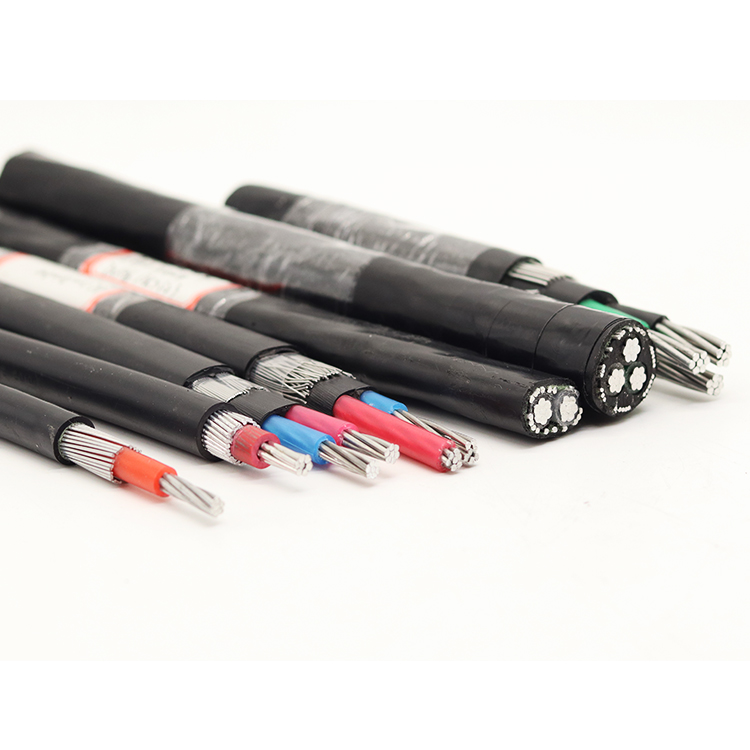
How to Choose a Concentric Cable: A 4-Step Framework for CNE vs. SNE, Copper vs. Aluminum
Navigating the specifications of concentric cables can be complex. Often referred to as the backbone of modern low-voltage power distribution, selecting the correct type is crucial for safety, compliance, and performance. This guide breaks down the selection process into a clear, logical framework, moving beyond basic specs to help you make an informed decision for your next power distribution or service entrance project.
Step 1: The Core Decision - Straight (CNE) or Split (SNE) Concentric Cable?
The first and most critical choice is determined by your building's earthing system. This defines the fundamental structure of the concentric cable.
| Cable Type | Technical Name | Structure of Concentric Layer | Designed For | Key Consideration |
|---|---|---|---|---|
| Straight Concentric Cable | CNE (Combined Neutral & Earth) | A single layer of bare copper wires that functions as both the Neutral (N) and Protective Earth (PE) conductor. | TN-C-S Systems (also called PME) | Most common for residential service drops. The combined PEN conductor must be handled by qualified personnel as it is live. |
| Split Concentric Cable | SNE (Separate Neutral & Earth) | Two distinct sets: an insulated blue Neutral (N) conductor and a separate bare copper Earth (PE) conductor. | TN-S Systems | Offers enhanced safety and easier fault detection. Ideal for commercial buildings or sites requiring a separate earth path. |
Pro Tip: The choice between a CNE cable and an SNE cable is not optional. It is mandated by the existing electrical system's earthing arrangement.
Step 2: Selecting the Conductor Material: Copper vs. Aluminum
This choice balances performance, weight, and budget for your power cable.
-
Copper Concentric Cables
- Advantages: Superior conductivity, excellent flexibility, and reliable termination connections.
- Best For: Internal risers in multi-story buildings, street lighting circuits, and industrial control panels. Explore our range of copper concentric cables.
-
Aluminum Concentric Cables
- Advantages: Lighter weight and significantly lower cost, ideal for long spans.
- Best For: Overhead service entrance cables from a utility pole to the meter board. Ideal for projects like our 3-core aluminum concentric cable.
Step 3: Specifying Protection & Sheathing
The insulation and outer sheath ensure long-term durability against environmental and operational hazards.
-
Common Sheathing & Insulation Types:
- PVC: A cost-effective, all-rounder for general indoor and outdoor use.
- XLPE (Cross-Linked Polyethylene): Provides higher temperature resistance (up to 90°C) and greater current-carrying capacity.
- LSZH (Low Smoke Zero Halogen): Critical for public spaces like hospitals, trains, and shopping malls. Emits minimal smoke and no corrosive toxins in a fire.
-
Armored Concentric Cables:
- Feature: Integrated steel wire or tape armor beneath the outer sheath.
- Use Case: Essential for direct burial applications, underground ducting, or installations in areas with high mechanical damage risk.
Step 4: Finalizing Key Electrical Parameters
Lock in your project's specific requirements with these final details.
- Voltage Rating: Standard low voltage concentric cables for building supplies are rated at 0.6/1kV.
- Conductor Cross-Sectional Area (CSA): Determines current-carrying capacity.
- 4mm² to 10mm²: Typical for final sub-circuits like outdoor lighting or small distribution boards.
- 16mm² to 25mm² and above: The standard range for single-phase and three-phase main power intake cables in residential and commercial properties.
Conclusion: Building Your Specification
Selecting the right concentric cable is a systematic, four-step process: 1) Identify the earthing system (CNE/SNE), 2) Choose conductor material, 3) Define environmental protection (sheath/armor), and 4) Set electrical parameters. By following this framework, you ensure a safe, compliant, and efficient power distribution installation. Always consult with a qualified electrical engineer or the cable manufacturer to finalize specifications for your specific project.
Meta Description for this article (Suggested):
Unsure how to choose between CNE and SNE concentric cables? Our expert guide provides a clear 4-step framework to select the right cable based on earthing system, material (copper/aluminum), and application for power distribution projects.