Su Guía Completa sobre Cables de Potencia Apantallados y Blindados
Domando el Ruido: Su Guía Completa sobre Cables de Potencia Apantallados y Blindados
En nuestro mundo moderno y electrificado, una forma de contaminación oculta puede alterar los sistemas más críticos: la interferencia electromagnética (IEM). Aquí es donde el especializado cable de potencia apantallado (conocido universalmente como shielded power cable o cable de potencia blindado) se convierte en un componente esencial. Esta guía explica cómo este cable actúa como un guardián silencioso, asegurando un flujo de energía limpio y confiable.
El Problema Invisible: Interferencia Electromagnética (IEM)
Imagine intentar mantener una conversación en una fábrica ruidosa. La IEM es el equivalente electrónico: ruido no deseado que interrumpe las señales y la calidad de la energía. Es generado por equipos cotidianos como variadores de frecuencia (VFD), motores, transmisores de radio e incluso otros cables. Para la electrónica sensible en centros de datos, dispositivos de imágenes médicas o líneas de producción automatizadas, este ruido puede causar corrupción de datos, fallos operativos y averías del sistema.
La Solución Silenciosa: Cómo Funciona el Apantallamiento
Un cable de potencia apantallado resuelve esto incorporando una barrera metálica. Piense en esta pantalla como una sofisticada jaula de Faraday para el cable. Realiza dos funciones críticas:
- Contención: Atrapa el campo electromagnético generado por el conductor que transporta energía en su interior, evitando que escape y se convierta en una fuente de ruido para equipos cercanos.
- Defensa: Actúa como una barrera, desviando campos electromagnéticos externos e impidiendo que se acoplen y distorsionen la señal o energía dentro del cable.
Anatomía de un Cable de Potencia Apantallado
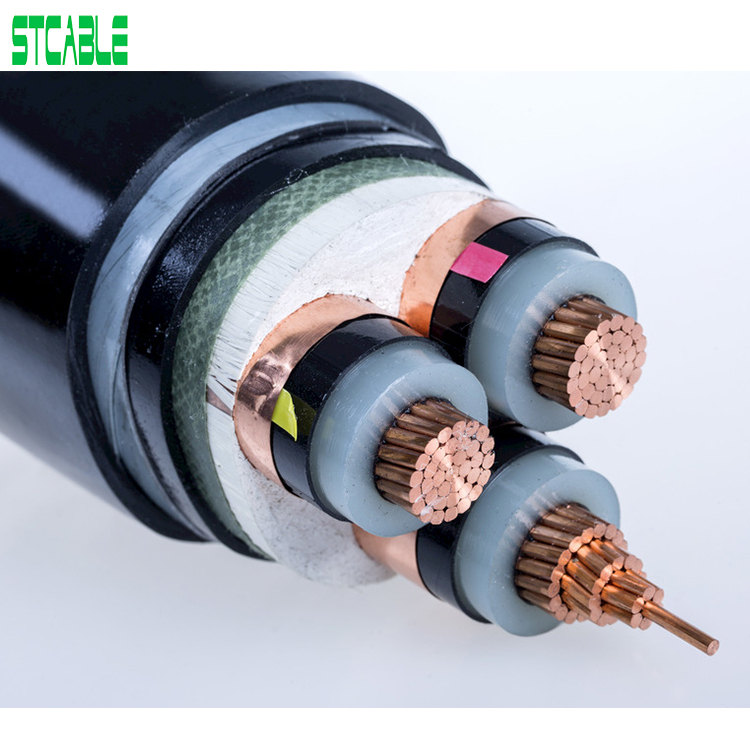
Cada cable de potencia blindado de alto rendimiento se construye como una cebolla, con cada capa sirviendo a un propósito específico:
- Conductor: El núcleo, usualmente de cobre o aluminio, que transporta la corriente eléctrica.
- Aislamiento: Una capa (por ejemplo, XLPE, PVC) que aísla eléctricamente al conductor.
- Pantalla/Blindaje (La Capa Clave): La capa metálica responsable de la protección contra IEM. Los tipos comunes incluyen:
- Malla de Alambre de Cobre: Ofrece excelente flexibilidad y apantallamiento de alta frecuencia.
- Cinta de Poliéster-Aluminio (ATP): Proporciona 100% de cobertura a menor costo, buena para ruido de baja frecuencia.
- Combinación (Malla + Cinta): Ofrece el rendimiento de apantallamiento de espectro más amplio.
- Chaquetilla Externa: La cubierta protectora final (por ejemplo, PVC, LSZH) que proporciona resistencia mecánica, química y ambiental.
Funciones Principales y Beneficios
Integrar un cable de potencia con pantalla ofrece beneficios tangibles:
- Asegura la Compatibilidad Electromagnética (CEM): Permite que múltiples sistemas electrónicos operen estrechamente sin interferir entre sí.
- Mejora la Integridad de la Señal y la Potencia: Resulta en voltaje más estable, menos errores de datos y mayor confiabilidad del sistema.
- Proporciona una Ruta de Tierra de Seguridad: La pantalla puede conducir de manera segura cualquier corriente de falla a tierra, protegiendo al personal y al equipo.
- Prepara la Instalación para el Futuro: Esencial para entornos industriales y comerciales modernos con densidad electrónica creciente.
¿Dónde son Esenciales Estos Cables?
Especificar un cable eléctrico apantallado es crítico en cualquier entorno donde el rendimiento no pueda verse comprometido por el ruido eléctrico:
- Automatización Industrial: Máquinas CNC, brazos robóticos y sistemas de control PLC.
- Infraestructura Crítica: Bastidores de servidores de centros de datos, conexiones UPS y centros de operaciones de red.
- Variadores de Frecuencia (VFD): Los cables de alimentación de motores para bombas, ventiladores y transportadores.
- Salud y Laboratorios: Salas de MRI, equipos de diagnóstico e instrumentación de investigación.
- Radiodifusión y Audiovisual: Estudios e instalaciones de producción que requieren calidad de señal prístina.
Apantallado vs. Armado: Conozca la Diferencia
Un punto de confusión común es la diferencia entre una pantalla/blindaje y una armadura. La siguiente tabla aclara sus funciones distintas:
| Característica | Cable Apantallado/Blindado | Cable Armado (por ejemplo, SWA) |
|---|---|---|
| Propósito Principal | Apantallamiento Electromagnético (IEM/IRF) | Protección Mecánica |
| Material Clave | Metales conductores como cobre o aluminio | Acero de alta resistencia (alambre o cinta) |
| Protege Contra | Ruido eléctrico, interferencia | Aplastamiento, impacto, roedores, tensión |
| Uso Típico | Entornos interiores con mucho ruido eléctrico | Enterrado directo, tendidos expuestos, áreas de alto riesgo |
Nota: Muchos cables, como algunos cables mineros o marinos, combinan tanto una pantalla de cobre para IEM como una armadura de acero para resistencia mecánica.
Cómo Elegir el Cable Correcto
Seleccionar el cable de potencia apantallado y blindado correcto depende del entorno específico de IEM de su aplicación, los requisitos de flexibilidad y las condiciones de instalación. Para entornos de mucho ruido como el piso de una fábrica con numerosos VFD, un cable con una malla robusta o blindaje compuesto es ideal. Comprender esta distinción es clave para diseñar sistemas eléctricos resilientes y libres de interferencias.