¿Qué es el Conductor AAAC?
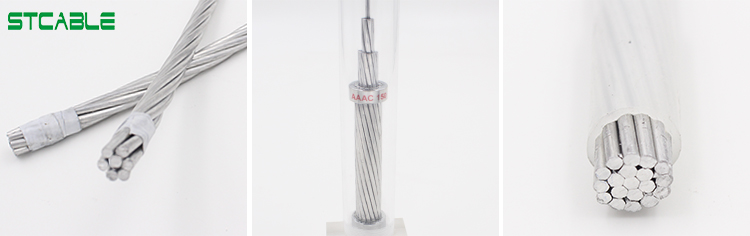
Conductor AAAC: Una Solución Duradera para Líneas de Transmisión Aéreas Modernas
A medida que las redes eléctricas globales se expanden hacia regiones costeras, industriales y de alta temperatura, las empresas de servicios públicos requieren conductores que combinen resistencia, protección contra la corrosión y una larga vida útil. El Conductor AAAC (Conductor de Aleación de Aluminio Total) se ha convertido en la opción preferida para las modernas líneas de transmisión aéreas gracias a su rendimiento mecánico optimizado y su estructura liviana.
En comparación con los conductores tradicionales, el AAAC ofrece una mayor durabilidad y reduce los costos de mantenimiento, lo que lo hace ideal para sistemas de distribución de energía de larga distancia y en condiciones ambientales desafiantes.
¿Qué es el Conductor AAAC?
El Conductor AAAC es un conductor aéreo desnudo fabricado a partir de alambres de alta resistencia de Aleación de Aluminio 6201-T81. El conductor utiliza una estructura trenzada concéntrica, donde múltiples alambres de aleación se envuelven helicoidalmente alrededor de una capa central.
A diferencia de los conductores ACSR que contienen un núcleo de acero, el AAAC está hecho completamente de aleación de aluminio, lo que proporciona:
- Mayor resistencia a la corrosión
- Mejor relación resistencia-peso
- Menor carga en la línea de transmisión
- Vida útil mejorada en ambientes hostiles
Debido a estas ventajas, el AAAC se utiliza ampliamente en redes de servicios públicos y proyectos de infraestructura de energía renovable.
Estructura y Material de los Conductores AAAC
El rendimiento del AAAC proviene principalmente de su composición de aleación avanzada y su construcción trenzada.
Características Principales
| Ítem | Descripción |
|---|---|
| Tipo de Conductor | Conductor de Aleación de Aluminio Total |
| Material | Aleación de Aluminio 6201-T81 |
| Construcción | Trenzado Concéntrico por Capas |
| Aplicación | Transmisión de Energía Aérea |
| Método de Instalación | Instalación Aérea |
Ventajas Estructurales
- Excelente resistencia mecánica
- Liviano para una instalación más fácil
- Flecha reducida en vanos largos
- Mejor resistencia a la corrosión atmosférica
- Adecuado para áreas costeras e industriales
AAAC vs AAC vs ACSR
La elección del conductor adecuado depende de las condiciones ambientales y los requisitos de transmisión.
| Característica | Conductor AAAC | Conductor AAC | Conductor ACSR |
|---|---|---|---|
| Resistencia Mecánica | Alta | Media | Muy Alta |
| Resistencia a la Corrosión | Excelente | Buena | Moderada |
| Peso | Liviano | Liviano | Más Pesado |
| Núcleo de Acero | No | No | Sí |
| Mejor Ambiente de Uso | Costero e Industrial | Distribución Urbana | Transmisión de Gran Vano |
Desde una perspectiva de ciclo de vida, el AAAC a menudo ofrece un mejor valor en regiones con alta humedad, contaminación salina o exposición química.
Aplicaciones Comunes de los Conductores AAAC
Los conductores AAAC se utilizan ampliamente en la infraestructura eléctrica moderna debido a su confiabilidad y bajos requisitos de mantenimiento.
Escenarios de Aplicación Típicos
- Líneas de transmisión de energía aéreas
- Redes de distribución urbanas y rurales
- Redes eléctricas costeras
- Sistemas de energía industrial
- Proyectos de energía renovable
- Regiones montañosas o de alto viento
Sus propiedades resistentes a la corrosión hacen que el AAAC sea particularmente adecuado para áreas donde los conductores reforzados con acero pueden deteriorarse más rápidamente.
Beneficios de Usar Conductores AAAC
Por qué las Empresas de Servicios Públicos Prefieren el AAAC
- Larga Vida Útil: Resistente a la oxidación y degradación ambiental.
- Menores Costos de Mantenimiento: Reduce la necesidad de reemplazo e inspección del conductor.
- Confiabilidad Mejorada de la Red: Rendimiento eléctrico estable en condiciones adversas.
- Instalación Eficiente: La estructura liviana simplifica el manejo y tendido.
- Respetuoso con el Medio Ambiente: La construcción totalmente de aleación de aluminio respalda infraestructura reciclable.
Recomendaciones de Instalación
Para garantizar una operación segura y eficiente, los conductores AAAC deben instalarse de acuerdo con los estándares eléctricos internacionales.
Mejores Prácticas
- Utilizar herrajes y hardware compatibles
- Mantener la tensión adecuada durante la instalación
- Evitar daños en la superficie del conductor
- Seguir los estándares IEC, ASTM o de la empresa de servicios local
- Realizar inspección de rutina después de la instalación
La instalación correcta mejora significativamente la vida útil del conductor y la confiabilidad de la transmisión.
Conclusión
A medida que la infraestructura eléctrica continúa evolucionando hacia una mayor eficiencia y menor mantenimiento, los Conductores AAAC se están convirtiendo en una solución clave para los sistemas modernos de transmisión aérea. Con una excelente resistencia a la corrosión, fuertes propiedades mecánicas y un rendimiento liviano, el AAAC proporciona un equilibrio ideal entre durabilidad y eficiencia operativa.
Para las empresas de servicios públicos, contratistas EPC y desarrolladores de energía renovable, el AAAC sigue siendo una opción confiable para construir redes eléctricas resilientes y preparadas para el futuro.