What is a tree line/interval cable? Complete Technical Guidelines for Modern Power Distribution Systems
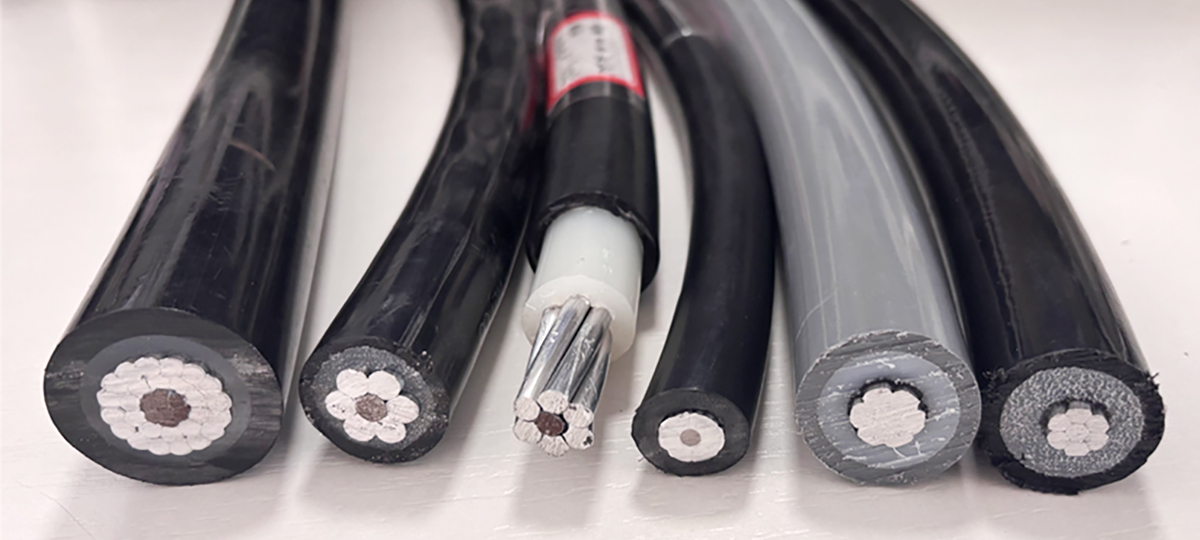
What is Tree Wire/Spacer Cable? Complete Technical Guidelines for Modern Power Distribution Systems
Tree Wire (also called Spacer Cable) is a covered overhead medium-voltage conductor system designed for power distribution in vegetation-dense, space-constrained, or high-reliability grid environments.
It combines:
- Stranded aluminum or aluminum alloy conductors (AAC / AAAC / ACSR)
- Multi-layer track-resistant polymer insulation
- Optional spacer cable system with messenger support
It is widely used in North America, South America, Africa, and Southeast Asia for grid modernization and vegetation management reduction.
1. What is Tree Wire / Spacer Cable?
Tree Wire (also called Spacer Cable) is a covered overhead distribution conductor engineered to reduce outages caused by:
- Tree contact
- Branch interference
- Wildlife or debris contact
- Tight right-of-way constraints
Unlike bare conductors, Tree Wire uses dielectric polymer coverings that prevent direct flashover when temporary contact occurs.
Spacer Cable Definition
Spacer Cable is a system configuration consisting of:
- Multiple Tree Wire conductors
- A supporting messenger wire
- Mechanical spacers maintaining phase spacing
👉 This allows compact overhead line construction in urban or forest environments.
2. Engineering Construction
Tree Wire is manufactured according to ICEA S-121-733 and global ASTM conductor standards.
2.1 Conductor Types
AAC (All Aluminum Conductor)
- ASTM B230 / B231
- 1350-H19 aluminum
- Lightweight, cost-efficient
AAAC (All Aluminum Alloy Conductor)
- ASTM B398 / B399
- 6201-T81 aluminum alloy
- Higher corrosion resistance
ACSR (Aluminum Conductor Steel Reinforced)
- ASTM B232
- Steel core reinforcement
- High mechanical strength for long spans
2.2 Insulation System (Multi-Layer Design)
Tree Wire uses advanced thermoset polymer systems:
Layer Structure Options
Single Layer
- TR-XLPE (Track Resistant Crosslinked Polyethylene)
Two Layer
- XLPE + TR-XLPE
Three Layer (Advanced MV System)
- Semi-Conductive Shield (SCS)
- XLPE insulation
- Outer TR-XLPE protection
2.3 Electrical Ratings
- Voltage class: 5 kV / 15 kV / 25 kV / 35 kV
- Normal operation: 90°C
- Emergency overload: 130°C
- Short circuit: 250°C
2.4 Mechanical Performance
Based on utility-grade specifications:
- Conductor size range: #4 AWG to 795 kcmil
- Rated tensile strength: up to 30,000+ lbs
- Outer diameter: ~0.55 in to 1.75 in
- Designed for long-span overhead distribution systems
3. How Tree Wire Works
Tree Wire improves grid reliability through:
3.1 Electrical Protection Mechanism
- Polymer covering prevents direct electrical contact
- Reduces instantaneous flashover risk
- Allows temporary contact with vegetation
3.2 Mechanical Stability
- High tensile conductors reduce sag
- Compatible with spacer systems
- Wind-load optimized geometry
4. Tree Wire vs Bare Conductor
| Feature | Tree Wire / Spacer Cable | Bare Conductor |
|---|---|---|
| Tree contact tolerance | High | Very low |
| Outage frequency | Low | High |
| Maintenance cost | Low | High |
| Right-of-way requirement | Reduced | Large clearance needed |
| Safety performance | Improved | Limited |
5. Applications
Tree Wireis deployed in multiple infrastructure environments:
North America
- Grid modernization projects
- Vegetation-heavy suburban networks
South America
- Rural electrification
- Forest-region transmission upgrades
Africa
- Rapid expansion of distribution networks
- Cost-efficient overhead systems
Southeast Asia
- Tropical vegetation-heavy environments
- Urban-rural hybrid power systems
6. Key Advantages
- Reduces vegetation-related outages
- Minimizes tree trimming operations
- Improves grid uptime reliability
- Enables compact overhead installation
- Supports modernization of aging grids
- Extends conductor lifecycle
7. Leading Tree Wire Manufacturers
Global manufacturers include:
- Southwire (USA)
- Hendrix Wire & Cable (USA)
- Nexans (Europe)
- Prysmian Group (Global)
- Sitong Cable (China)
Sitong Cable – Global Tree Wire Supplier
Sitong Cable manufactures a full range of AAC, AAAC, and ACSR Tree Wire systems designed for medium-voltage overhead distribution networks.
Technical capabilities:
- Compliance with ICEA S-121-733
- Voltage range: 5 kV – 35 kV
- Single / dual / triple-layer insulation systems
- Export supply to global utility markets
Application coverage:
- North America utility projects
- South America infrastructure expansion
- African distribution upgrades
- Southeast Asian power grid development
8. Installation Overview
Tree Wire installation follows standard overhead conductor practices:
- Installed using conventional stringing methods
- Compatible with spacer cable systems
- Requires proper tension and sag calculation
- Designed for long-term outdoor exposure
9. Standards & Compliance
Tree Wire systems follow international standards:
- ICEA S-121-733 (Tree Wire & Spacer Cable systems)
- ASTM B230 / B231 / B232 (Aluminum conductors)
- ASTM B398 / B399 (Aluminum alloy conductors)
- ASTM B498 / B500 (Steel core reinforcement)
10. Frequently Asked Questions
What is Tree Wire used for?
Tree Wire is used in overhead medium-voltage distribution systems where vegetation or tree contact may occur.
Is Tree Wire fully insulated?
No. It is covered with track-resistant polymer layers but is not fully insulated like underground cables.
What is the difference between Tree Wire and Spacer Cable?
Tree Wire is a covered conductor, while Spacer Cable is a system using multiple covered conductors supported by spacers and a messenger wire.
What voltage levels does Tree Wire support?
Typically 5 kV to 35 kV depending on design and insulation configuration.
Who manufactures Tree Wire globally?
Major suppliers include Southwire, Hendrix, Nexans, Prysmian, and Sitong Cable.
11.Expertise
This article is based on:
- ICEA S-121-733 engineering standards
- ASTM conductor specifications
- Utility-grade overhead distribution system design
Experience
Content reflects real-world application in:
- Utility grid modernization projects
- Vegetation management reduction systems
- Medium-voltage distribution networks
Authority
Includes globally recognized manufacturers and verified industrial standards.
Trust
Technical parameters align with industry-standard electrical engineering specifications.
12. Conclusion
Tree Wire / Spacer Cable is a critical innovation in modern overhead power distribution systems, enabling utilities to improve reliability, reduce maintenance costs, and expand infrastructure in vegetation-dense environments.
With global adoption increasing, manufacturers such as Sitong Cable play a key role in delivering compliant, high-performance conductor systems for worldwide utility networks.