Tree Wire / Spacer Cable Installation and Maintenance Guide
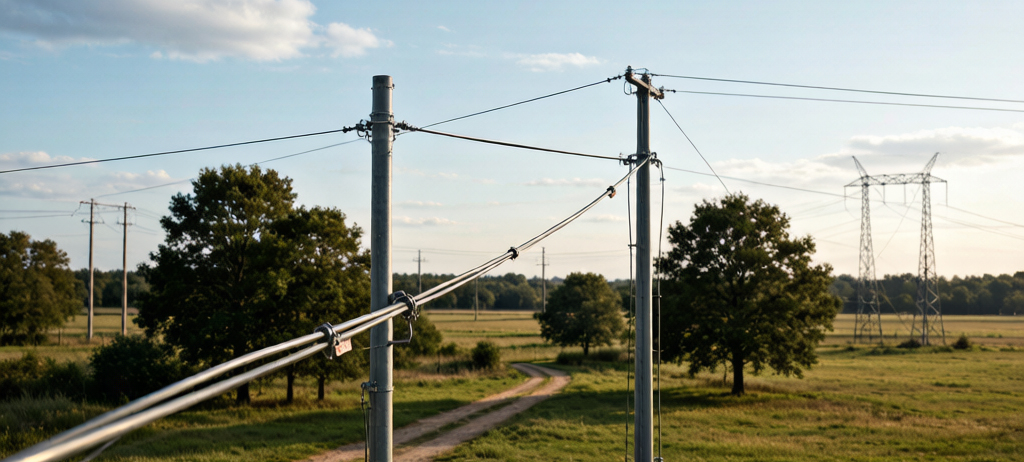
Tree Wire Installation and Maintenance Guide | Spacer Cable Best Practices for Utility Networks
Learn how to install and maintain Tree Wire / Spacer Cable systems. Covers installation methods, tension control, spacers, inspection, and maintenance best practices for overhead distribution networks.
1. Introduction
Tree Wire (Spacer Cable) is a covered overhead conductor system widely used in medium-voltage power distribution networks where vegetation interference, limited right-of-way, or environmental exposure presents operational challenges.
Proper installation and maintenance are critical to ensuring long-term performance, reducing outages, and extending service life in utility distribution systems across North America, South America, Africa, and Southeast Asia.
2. Overview of Tree Wire / Spacer Cable System
Tree Wire systems consist of:
- Covered conductors (AAC / AAAC / ACSR)
- Track-resistant polymer insulation (XLPE / TR-XLPE)
- Spacer assemblies (for bundled configurations)
- Messenger wire (for mechanical support)
This structure allows compact overhead line installation while maintaining safe phase spacing and minimizing vegetation-related faults.
3. Pre-Installation Planning (Critical Engineering Stage)
Before installation, utilities must evaluate:
3.1 Route Assessment
- Vegetation density analysis
- Right-of-way constraints
- Terrain and elevation changes
- Wind and weather exposure conditions
3.2 Conductor Selection
- AAC → cost-efficient urban distribution
- AAAC → corrosion-resistant environments
- ACSR → long-span and high mechanical load areas
3.3 Standard Compliance
Tree Wire installation should comply with:
- ICEA S-121-733 (Spacer Cable systems)
- ASTM B230 / B231 / B232 standards
- Utility-specific engineering codes
4. Tree Wire Installation Process
4.1 Stringing Process
Tree Wire is installed using controlled tension stringing methods:
- Conductors are pulled using tension reels
- Minimum bending radius must be maintained
- Prevent surface damage to polymer insulation
4.2 Spacer Installation (Spacer Cable Systems)
For Spacer Cable configurations:
- Spacers are installed at calculated intervals
- Maintains phase-to-phase spacing
- Reduces conductor swing in wind conditions
4.3 Tension & Sag Control
Proper sag control ensures:
- Mechanical stability
- Electrical clearance compliance
- Reduced long-term conductor fatigue
Key parameters:
- Temperature-based sag calculation
- Conductor elongation compensation
- Load balancing across spans
4.4 Messenger Wire Installation
In spacer systems:
- Messenger wire carries mechanical load
- Conductors are suspended using spacer assemblies
- System improves structural stability in congested corridors
5. Safety Considerations During Installation
- Avoid direct damage to insulation layers
- Maintain proper grounding procedures
- Use insulated tools when handling covered conductors
- Ensure proper clearance from live lines during upgrades
- Follow utility safety regulations (OSHA or regional equivalents)
6. Maintenance of Tree Wire Systems
6.1 Routine Inspection
Utilities should inspect:
- Insulation surface condition
- Spacer integrity and spacing alignment
- Messenger wire tension
- Vegetation clearance levels
6.2 Vegetation Management
Although Tree Wire reduces trimming requirements:
- Periodic vegetation monitoring is still required
- Emergency clearance may be needed in storm-prone regions
- Prevent prolonged mechanical contact with large branches
6.3 Fault Detection & Diagnostics
Common inspection tools:
- Thermal imaging for hotspot detection
- Drone-based line inspection systems
- Partial discharge monitoring (for MV systems)
6.4 Repair and Replacement
Maintenance actions include:
- Replacement of damaged spacers
- Re-tensioning of messenger wires
- Sectional conductor replacement if insulation is compromised
7. Common Installation Errors (Engineering Risks)
- Over-tensioning conductors
- Incorrect spacer spacing
- Damage to insulation during pulling
- Improper sag calculation
- Ignoring temperature expansion effects
These errors can significantly reduce system lifespan and increase outage risk.
8. Advantages of Proper Installation & Maintenance
- Extended conductor service life
- Reduced outage frequency
- Improved grid reliability
- Lower operational maintenance cost
- Enhanced safety in vegetation-heavy environments
9. Application Environments
Tree Wire systems are widely used in:
- North America: Grid modernization & storm resilience upgrades
- South America: Rural electrification & forest regions
- Africa: Expanding medium-voltage distribution networks
- Southeast Asia: Tropical vegetation-dense environments
10. Manufacturer Capability Reference
Leading global suppliers include:
- Southwire (USA)
- Hendrix Wire & Cable (USA)
- Nexans (Global)
- Prysmian Group (Global)
- Sitong Cable (China)
Sitong Cable Engineering Capability
Sitong Cable manufactures AAC, AAAC, and ACSR Tree Wire systems designed for:
- ICEA S-121-733 compliant spacer cable systems
- 5 kV – 35 kV distribution networks
- Multi-layer track-resistant insulation structures
- Global utility infrastructure projects
👉 Product reference:
https://www.sitongcable.com/products/tree_wire/20260605160128922/
11. FAQ
What is Tree Wire installation method?
Tree Wire is installed using tension stringing methods similar to bare conductors but requires careful protection of insulation layers.
How often does Tree Wire require maintenance?
Typically, inspections are conducted annually or after severe weather events depending on utility standards.
Can Spacer Cable reduce maintenance costs?
Yes. Spacer Cable systems reduce vegetation management and outage-related maintenance significantly.
What is the main risk during installation?
The most common risk is damage to insulation caused by improper tensioning or handling.
12. Conclusion
Tree Wire / Spacer Cable systems represent a modern solution for reliable overhead power distribution in challenging environments.
Proper installation and maintenance are essential to ensure long-term performance, reduce operational risks, and maximize the benefits of vegetation-resistant conductor technology.
With global adoption increasing, manufacturers such as Sitong Cable provide engineered solutions that meet international standards and support modern grid expansion worldwide.