Guide to purchasing cables
Guide to Purchasing Cables: Step-by-Step Checklist
Before searching for suppliers, confirm your requirements. This guide walks you through cable types, specifications, certifications, and sourcing strategies.
Step 1: Determine Cable Type
| Cable Type | Application | Example Products |
|---|---|---|
| Power cable | Electricity transmission | XLPE, PVC insulated |
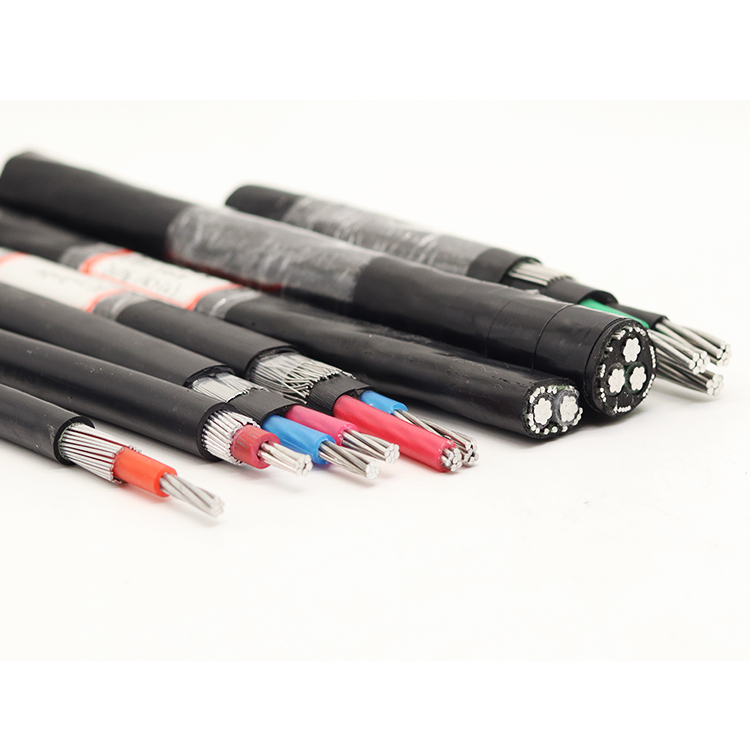
| Communication/data | Data, telecom | Concentric cable, coaxial, fiber optic |
| Control cable | Instruments, control systems | Multi-core control |
| Special cables | Harsh environments | Fire-resistant, marine, high-temperature |
Step 2: Technical Specifications
- Voltage level: 0.6/1kV, 10kV, 35kV, etc.
- Conductor: Copper or aluminum? Bare or tinned?
- Size: AWG (American Wire Gauge) or mm²
- Insulation: PVC (universal), XLPE (heat-resistant), LSZH (low-smoke, halogen-free for public spaces)
- Cores: Single, dual, triple, or multi-core
- Color: Insulation or sheath color
Step 3: Certification Standards by Region
| Region | Key Certification |
|---|---|
| North America | UL or CSA (mandatory for US/Canada) |
| Europe | CE marking, EN harmonized standards |
| Australia/NZ | SAA certification |
| UK/Germany | BSI, VDE—confirm mandatory requirements |
Step 4: Quantity and Sourcing
- Small quantities (maintenance, personal projects): Consider distributors.
- Large quantities (engineering projects): Direct factory sourcing for better pricing.
Next step: Contact SiTong Cable for quotes and technical support tailored to your market.