How to Choose a Concentric Cable: A 4-Step Framework for CNE vs. SNE, Copper vs. Aluminum
How to Choose a Concentric Cable: A 4-Step Framework for CNE vs. SNE, Copper vs. Aluminum
A concentric cable is a low-voltage (0.6/1 kV) service cable in which one or more phase conductors are wrapped by a concentric layer of neutral and earth wires. This construction makes it the standard choice for service entrances in TN-C-S and TN-S earthing systems across the UK, Ireland, Australia, New Zealand and many other markets. Choosing the right one is not just a matter of price: the wrong earthing arrangement, conductor material or sheath can cause compliance failures, safety hazards and costly rework. This guide gives you a four-step framework — earthing system (CNE vs. SNE), conductor material, protection and sheathing, and electrical parameters — so you can confidently specify a concentric cable for your next power distribution or service entrance project.
Step 1: The Core Decision — Straight (CNE) or Split (SNE) Concentric Cable?
The first and most critical choice is determined by your building's earthing system. It defines the fundamental structure of the concentric cable you need and is normally fixed by the local distribution network operator (DNO) and by BS 7671 (the IET Wiring Regulations) earthing arrangements.
| Cable Type | Technical Name | Structure of Concentric Layer | Designed For | Key Consideration |
|---|---|---|---|---|
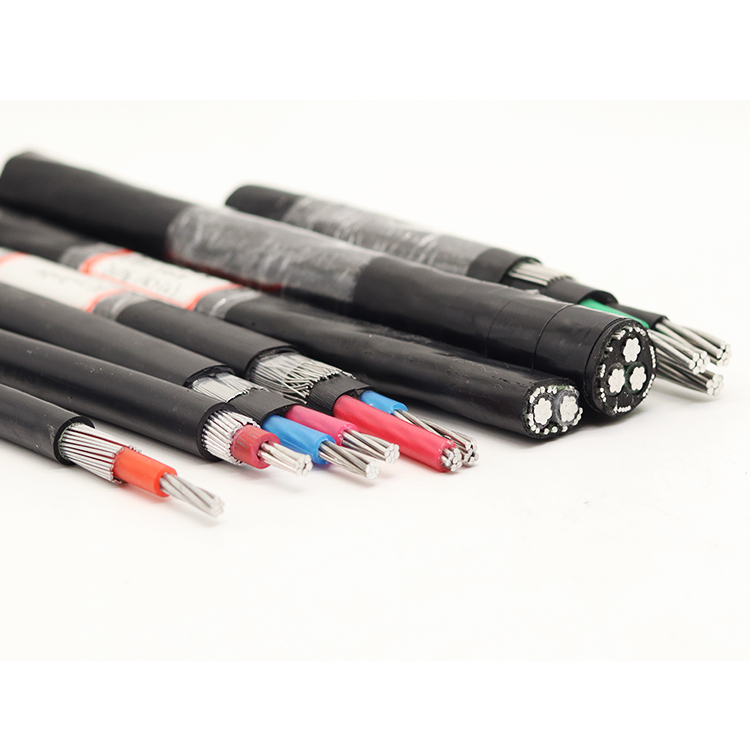
| Straight Concentric Cable | CNE (Combined Neutral & Earth) | A single layer of bare copper wires that functions as both the Neutral (N) and Protective Earth (PE) conductor. | TN-C-S systems (also called PME — Protective Multiple Earthing) | Most common for residential service drops. The combined PEN conductor is live and must be handled by qualified personnel. |
| Split Concentric Cable | SNE (Separate Neutral & Earth) | Two distinct sets: an insulated blue Neutral (N) conductor and a separate bare copper Earth (PE) conductor. | TN-S systems | Offers enhanced safety and easier fault detection. Ideal for commercial buildings or sites requiring a separate earth path. |
Pro Tip: The choice between a CNE cable and an SNE cable is not optional. It is mandated by the existing electrical system's earthing arrangement — verify the network's system type before ordering.
Step 2: Selecting the Conductor Material: Copper vs. Aluminum
This choice balances performance, weight and budget for your power cable. Both materials are valid for concentric designs; the right answer depends on the run length, installation method and termination practice.
| Comparison Factor | Copper | Aluminum |
|---|---|---|
| Conductivity | Excellent (≈100% IACS, class 2 per IEC 60228) | Good (≈61% IACS) — larger CSA needed for the same ampacity |
| Weight | Heavier | Around 40% lighter for the same ampacity |
| Cost | Higher material cost | Significantly lower material cost |
| Flexibility & handling | More flexible, easier to bend in confined risers | Stiffer; needs larger bend radii |
| Termination | Reliable with standard lugs | Requires antioxidant compound and proper compression lugs |
| Best For | Internal risers in multi-story buildings, street lighting circuits, industrial control panels | Long overhead spans, cost-sensitive projects, utility service drops |
-
Copper Concentric Cables: Superior conductivity, excellent flexibility and reliable termination connections make copper the default for indoor and high-density installations. Explore our range of 3-core round copper concentric cables.
-
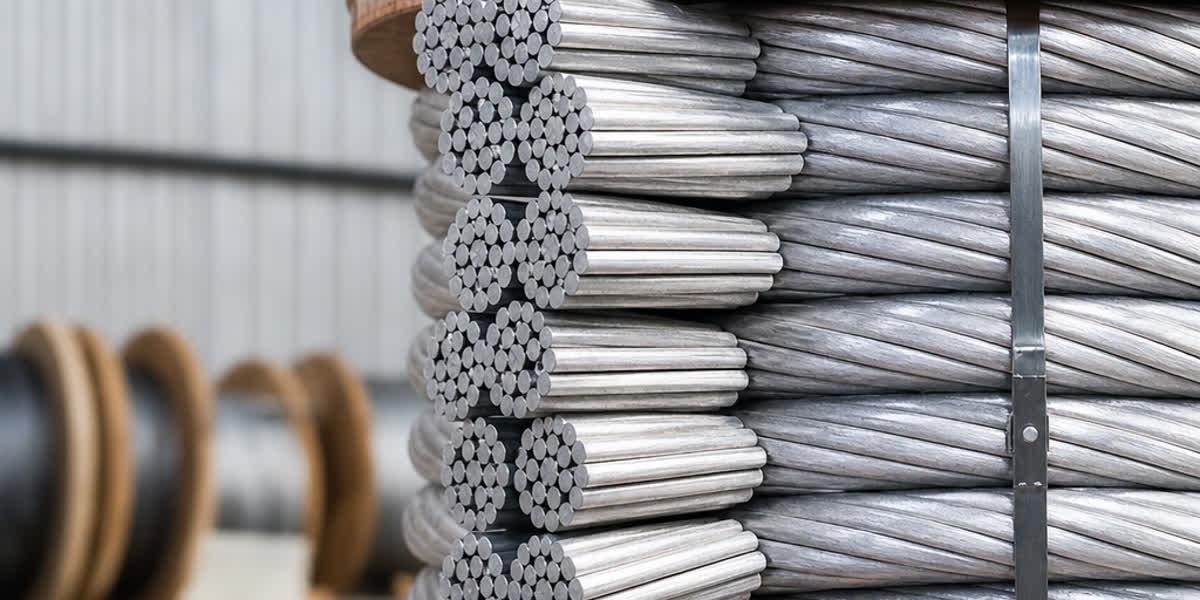
Aluminum Concentric Cables: Lighter weight and significantly lower cost make aluminum ideal for long overhead runs, for example service entrance cables from a utility pole to the meter board. Ideal for projects like our 3-core aluminum concentric cable.
Step 3: Specifying Protection & Sheathing
The insulation and outer sheath ensure long-term durability against environmental and operational hazards.
-
Common Sheathing & Insulation Types:
- PVC (Polyvinyl Chloride): A cost-effective all-rounder for general indoor and outdoor use; flame-retardant grades meet IEC 60332-1-2.
- XLPE (Cross-Linked Polyethylene): Provides higher temperature resistance (up to 90°C conductor rating) and greater current-carrying capacity, plus better overload performance.
- LSZH (Low Smoke Zero Halogen): Critical for public spaces such as hospitals, train stations and shopping malls. It emits minimal smoke and no corrosive toxic gases in a fire, verified against IEC 60754-1 and BS EN 61034-2.
-
Armored Concentric Cables:
- Feature: Integrated steel wire or steel tape armor beneath the outer sheath.
- Use Case: Essential for direct burial applications, underground ducting, or installations in areas with high mechanical damage risk.
Step 4: Finalizing Key Electrical Parameters
Lock in your project's specific requirements with these final details.
- Voltage Rating: Standard low-voltage concentric cables for building supplies are rated at 0.6/1 kV in accordance with IEC 60502-1 / BS 7870-4.
- Conductor Cross-Sectional Area (CSA): Determines current-carrying capacity. Common sizes are 4 mm², 6 mm², 10 mm², 16 mm² and 25 mm² (with AWG equivalents such as 3×6 AWG, 3×4 AWG and 3×2 AWG also widely stocked).
| Application | Typical CSA |
|---|---|
| Final sub-circuits — outdoor lighting, small distribution boards | 4 mm² – 10 mm² |
| Single-phase main intake — residential properties | 16 mm² – 25 mm² |
| Three-phase main intake — larger homes, small commercial premises | 25 mm² and above |
Standards to Specify
Concentric service cables are governed by a well-defined set of international and national standards. Citing these in your tender or specification removes ambiguity and speeds up approval:
| Standard | Scope |
|---|---|
| BS 7870-4 | LV and MV polymeric insulated cables for distribution utilities — Part 4 covers LV cables with concentric copper wire (4-10 CNE, 4-11 SNE) |
| IEC 60228 / BS EN 60228 | Conductor classes for insulated cables (class 2 for concentric designs) |
| IEC 60502-1 | Power cables with extruded insulation for rated voltages 1 kV and 3 kV |
| BS 7671 | IET Wiring Regulations — earthing arrangements (TN-C-S / TN-S) and installation practice |
| IEC 60332-1-2 | Flame propagation of single cables |
| IEC 60754-1 / BS EN 61034-2 | Halogen content and smoke density for LSZH cables |
| UL 854 / NEC | North American service-entrance cable (SEU-type concentric constructions) |
Frequently Asked Questions
Q: What is the difference between CNE and SNE concentric cable? A: CNE (Combined Neutral & Earth) uses a single concentric layer of bare copper wires that serves as both neutral and protective earth, and is designed for TN-C-S/PME systems. SNE (Separate Neutral & Earth) uses two separate conductors — an insulated blue neutral and a bare copper earth — for TN-S systems. Choose based on your network's earthing arrangement, not preference.
Q: Copper or aluminum — which should I choose? A: Choose copper for indoor risers, street lighting and control panels where flexibility, conductivity and compact size matter. Choose aluminum for long overhead service spans and cost-sensitive projects, where its lighter weight and lower price outweigh the need for a larger cross-section and special terminations.
Q: What does 0.6/1 kV mean, and is it right for my project? A: It is the rated voltage U₀/U: 0.6 kV phase-to-earth and 1 kV phase-to-phase. This is the standard rating for building supply and service entrance cables in LV distribution networks. If your installation is fed from a standard LV network, 0.6/1 kV is correct.
Q: Can concentric cable be installed overhead? A: Yes. Aluminum concentric cables are commonly used for overhead service entrances from a utility pole to the meter board, where their light weight reduces sag and pole loading. Copper versions are usually preferred indoors.
Q: Is concentric cable suitable for direct burial? A: Only in armored form. Steel wire or tape armor beneath the outer sheath protects the cable against mechanical damage, moisture ingress and rodent attack in direct burial or underground duct installations. Unarmored concentric cable should not be buried directly.
Q: What standards should a compliant concentric cable meet? A: For UK and Commonwealth projects, specify BS 7870-4 (with IEC 60228 conductors and IEC 60502-1 ratings). Add IEC 60332-1-2 for flame retardance and, for public buildings, IEC 60754-1 / BS EN 61034-2 for LSZH performance. For North America, reference UL 854 / NEC.
Conclusion: Building Your Specification
Selecting the right concentric cable is a systematic, four-step process: 1) Identify the earthing system (CNE/SNE), 2) Choose the conductor material, 3) Define environmental protection (sheath/armor), and 4) Set the electrical parameters. By following this framework — and citing the relevant BS, IEC or UL standards — you ensure a safe, compliant and efficient power distribution installation. Always consult a qualified electrical engineer or the cable manufacturer to finalize specifications for your specific project.
👉 Browse our Concentric Cable product range 👉 Concentric Cable Installation & Maintenance: Complete Field Guide 👉 Contact our team
📬 Sales inquiries: sales@sitongcable.com | 📞 Phone: +86-371-69176007