ACSR vs AAAC vs ACSS: La Guía Técnica Definitiva de Comparación y Selección para Ingenieros de Líneas Eléctricas
ACSR vs AAAC vs ACSS: La Guía Técnica Definitiva de Comparación y Selección para Ingenieros de Líneas Eléctricas
Introducción
Seleccionar el conductor aéreo correcto es una de las decisiones más críticas en el diseño de líneas de transmisión y distribución. Tres tipos de conductores dominan el mercado: ACSR (Conductor de Aluminio Reforzado con Acero), AAAC (Conductor de Aleación de Aluminio Total) y ACSS (Conductor de Aluminio Soportado por Acero). Cada uno tiene características mecánicas, eléctricas y económicas distintas que lo hacen óptimo para aplicaciones específicas.
Esta guía proporciona una comparación integral y basada en datos para ayudar a ingenieros, especialistas en adquisiciones y planificadores de servicios públicos a tomar decisiones informadas basadas en los requisitos del proyecto, las condiciones ambientales y las restricciones presupuestarias.
1. Definiciones y Construcción
ACSR (Conductor de Aluminio Reforzado con Acero)
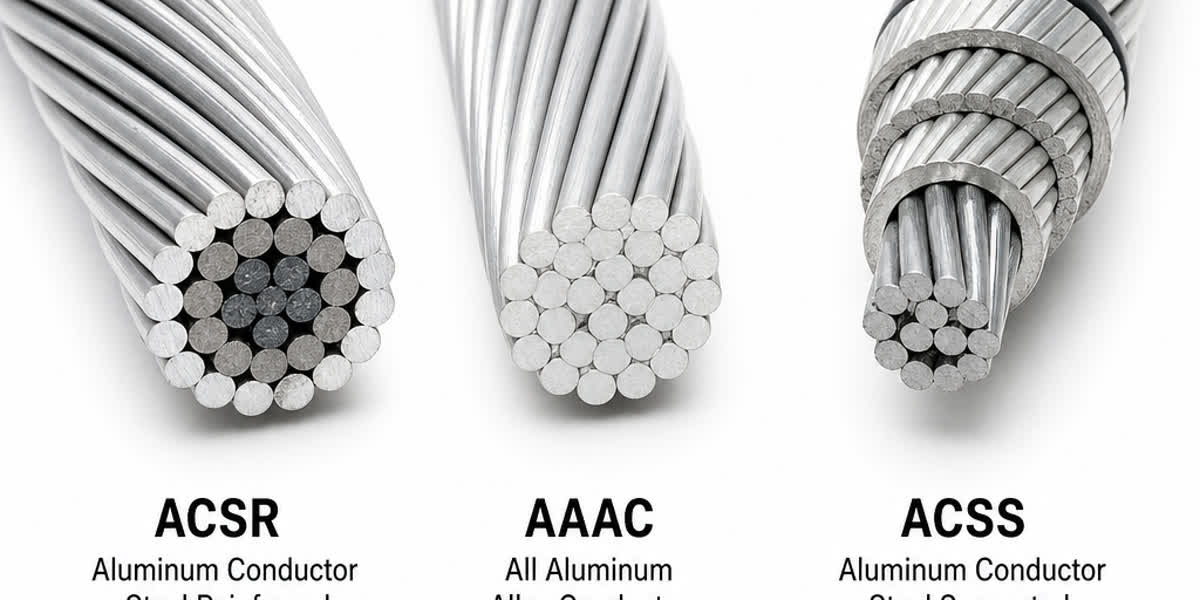
El ACSR consiste en un núcleo de acero galvanizado o revestido de aluminio rodeado por una o más capas de alambres de aluminio trenzados concéntricamente (1350-H19 o 1350-O). El núcleo de acero proporciona resistencia mecánica mientras que los alambres de aluminio manejan la capacidad de carga de corriente.
- Normas: ASTM B232, IEC 61089, BS 215, EN 50182
- Núcleo: Acero galvanizado (revestimiento Clase A, B o C) o acero revestido de aluminio (AW)
- Notación de cableado: ej., 26/7 = 26 alambres de aluminio + 7 alambres de acero
- Configuraciones comunes: 6/1, 18/1, 26/7, 30/7, 54/7, 54/19
AAAC (Conductor de Aleación de Aluminio Total)
El AAAC está fabricado enteramente de aleación de aluminio de alta resistencia (generalmente 6201-T81), eliminando por completo el núcleo de acero. Ofrece una resistencia superior a la corrosión a costa de una relación resistencia-peso ligeramente menor en comparación con ACSR.
- Normas: ASTM B399, IEC 61089, EN 50182
- Material: Aleación de aluminio 6201-T81 (tratada térmicamente)
- Notación de cableado: Todos los alambres son del mismo material de aleación
- Configuraciones comunes: 7, 19, 37, 61 alambres
ACSS (Conductor de Aluminio Soportado por Acero)
El ACSS es un conductor especializado donde alambres de aluminio completamente recocidos (blandos) se cablean concéntricamente sobre un núcleo de acero. El núcleo de acero soporta prácticamente toda la tensión mecánica, mientras que el aluminio blando maneja la corriente con un estrés insignificante.
- Normas: ASTM B856, ASTM B857
- Núcleo: Acero galvanizado o acero revestido de aluminio
- Aluminio: 1350-O completamente recocido (blando) — no trefilado duro
- Característica clave: Opera a temperaturas continuas de hasta 250°C (emergencia 300°C+)
2. Comparación de Propiedades Mecánicas
| Propiedad | ACSR | AAAC | ACSS |
|---|---|---|---|
| Resistencia a la Tracción Última | Alta (núcleo de acero) | Media-Alta | Muy Alta (toda la carga en el acero) |
| Peso | Medio | Más ligero (12-15% más ligero que ACSR) | Más pesado que AAAC, similar a ACSR |
| Relación Resistencia-Peso | Excelente | Muy Buena | Excelente |
| Módulo Elástico (psi × 10⁶) | 8.0-11.4 (varía según cableado) | 7.0 | 8.0-11.4 (dominado por acero) |
| Coeficiente de Expansión Lineal (/°C × 10⁻⁶) | 19.4-21.2 | 23.0 | 19.4-21.2 |
| Rendimiento de Flecha | Bueno | Moderado (mayor flecha a alta temp.) | Excelente (flecha mínima a alta temp.) |
Por Qué es Importante la Flecha
La flecha es la distancia vertical entre el punto más bajo de un conductor y la línea entre sus dos puntos de soporte. La flecha excesiva reduce la distancia al suelo y puede violar los códigos de seguridad. ACSS sobresale aquí porque el núcleo de acero soporta la carga mientras que el aluminio blando simplemente se expande sin contribuir a la tensión, resultando en significativamente menos flecha a temperaturas elevadas.
Según la Norma IEEE 738-2023, "los conductores ACSS pueden operar a temperaturas continuas de hasta 250°C sin recocerse, lo que los hace ideales para proyectos de aumento de capacidad de líneas."
3. Comparación de Propiedades Eléctricas
| Propiedad | ACSR | AAAC | ACSS |
|---|---|---|---|
| Conductividad (% IACS) | 61.2% (aluminio) | 52.5-53.5% (aleación 6201) | 61.2% (Al recocido) |
| Resistencia DC a 20°C | Baja | Más alta (~15% más que ACSR mismo tamaño) | Más baja que AAAC, similar a ACSR |
| Relación Resistencia AC/DC | 1.01-1.05 | 1.01-1.03 | 1.01-1.05 |
| Capacidad de Corriente (Base) | Alta | Media-Alta | Muy Alta (a temp. elevadas) |
| Capacidad a Alta Temperatura | Limitada (máx 175°C) | Limitada (máx 150°C) | Excepcional (250°C continuo) |
| Factor de Efecto Pelicular | Estándar | Menor (aleación) | Estándar |
Nota: Aunque AAAC tiene mayor resistencia por unidad de área, su peso ligero permite vanos más largos y un número reducido de estructuras, compensando potencialmente la desventaja eléctrica en el costo total del sistema.
4. Resistencia a la Corrosión
| Ambiente | ACSR | AAAC | ACSS |
|---|---|---|---|
| Rural/Interior | Excelente | Excelente | Excelente |
| Costero/Industrial | Buena (con revestimiento AW o MA3) | Excelente (sin corrosión galvánica) | Buena (con revestimiento AW) |
| Tropical de Alta Humedad | Buena (usar galvanizado Clase C) | Excelente | Buena |
| Áreas Contaminadas/Lluvia Ácida | Moderada (el acero puede corroerse) | Excelente | Moderada |
| Zonas de Rociado Salino | Requiere revestimiento pesado | Mejor opción | Requiere revestimiento pesado |
AAAC es el líder indiscutible en resistencia a la corrosión. Al no tener núcleo de acero, es inmune a la corrosión galvánica que puede ocurrir en la interfaz aluminio-acero en ACSR. Según documenta el Cuaderno Técnico CIGRE 826 (2021), "los conductores AAAC han demostrado una vida útil de más de 50 años en entornos costeros sin degradación significativa."
5. Análisis Económico
Costo de Material (Relativo por km)
| Conductor | Costo de Material | Costo de Instalación | Vida Útil (Años) | Costo Total de Propiedad |
|---|---|---|---|---|
| ACSR | Línea base (1.0×) | Línea base | 40-50 | Línea base |
| AAAC | 1.2-1.5× | Menor (más ligero = menos estructuras) | 50-60+ | 1.0-1.3× |
| ACSS | 1.3-1.8× | Mayor (herrajes especiales) | 40-50 | 1.5-2.0× |
Cuándo Gana ACSR en Costo
- Vanos cortos a medianos en entornos no corrosivos
- Proyectos con restricciones presupuestarias iniciales
- Transmisión de voltaje estándar (69-230 kV)
Cuándo Gana AAAC en Costo
- Entornos costeros o industriales que requieren resistencia a la corrosión
- Cruces de ríos de gran vano (más ligero = menos torres)
- Líneas de distribución en áreas remotas (menos mantenimiento)
Cuándo Gana ACSS en Costo
- Aumento de capacidad de líneas existentes (reconductoring)
- Corredores de alta capacidad (alimentación urbana, suministro de centros de datos)
- Entornos operativos de alta temperatura
6. Recomendaciones de Aplicación
Elija ACSR Cuando:
- ✅ Líneas de transmisión aéreas estándar (69-500 kV)
- ✅ Grandes vanos con alta tensión mecánica
- ✅ Proyectos que requieren tecnología probada y ampliamente disponible
- ✅ Instalaciones con presupuesto sensible en climas moderados
Elija AAAC Cuando:
- ✅ Áreas costeras o industriales con alta salinidad/corrosión
- ✅ Líneas de distribución que requieren grandes vanos entre postes
- ✅ Proyectos que priorizan bajo mantenimiento durante décadas
- ✅ Áreas con alta carga de hielo
Elija ACSS Cuando:
- ✅ Reconductoring de líneas existentes para aumento de capacidad (2-3× ganancia)
- ✅ Entornos operativos de alta temperatura (desierto, calor industrial)
- ✅ Transiciones urbanas subterráneas-aéreas con espacio libre limitado
- ✅ Líneas que requieren flecha mínima a alta carga
7. Referencia de Normas Industriales
| Norma | Alcance |
|---|---|
| ASTM B232 | ACSR (cableado concéntrico, reforzado con acero revestido) |
| ASTM B399 | AAAC (cableado concéntrico, aleación 6201-T81) |
| ASTM B856 | ACSS (cableado concéntrico, soportado por acero) |
| ASTM B857 | ACSS con núcleo de acero revestido de aluminio |
| IEC 61089 | Conductores eléctricos trenzados aéreos de alambre redondo |
| BS 215 | Conductores para líneas eléctricas aéreas (RU) |
| EN 50182 | Conductores para líneas aéreas |
| IEEE 738-2023 | Cálculo de corriente-temperatura de conductores aéreos |
| CIGRE TB 826 | Guía para selección de conductores aéreos |
8. Preguntas Frecuentes
P: ¿Puede AAAC reemplazar ACSR en diseños de líneas existentes? R: No directamente. AAAC tiene un módulo elástico y coeficiente de expansión térmica diferentes, lo que cambia las características de flecha. Se requiere un re-análisis estructural completo.
P: ¿Cuál es la temperatura máxima de operación continua para cada tipo? R: ACSR: 75-100°C. ACSR con núcleo de acero revestido de aluminio (AW): hasta 150°C. AAAC: 75-100°C (estándar). ACSS: hasta 250°C continuo con núcleo de acero.
P: ¿Qué conductor tiene las mejores características de amortiguación de vibraciones? R: AAAC generalmente exhibe mejores características de auto-amortiguación que ACSR debido a su estructura de aleación homogénea. ACSS con su aluminio blando tiene la menor amortiguación interna.
P: ¿Cómo especifico la protección contra la corrosión para ACSR? R: Use ACSR/AW (núcleo de acero revestido de aluminio) para áreas costeras, ACSR/MA3 (revestimiento de zinc-5% aluminio-MM tierras raras) para ambientes marinos severos, o galvanizado Clase C para zonas industriales pesadas.
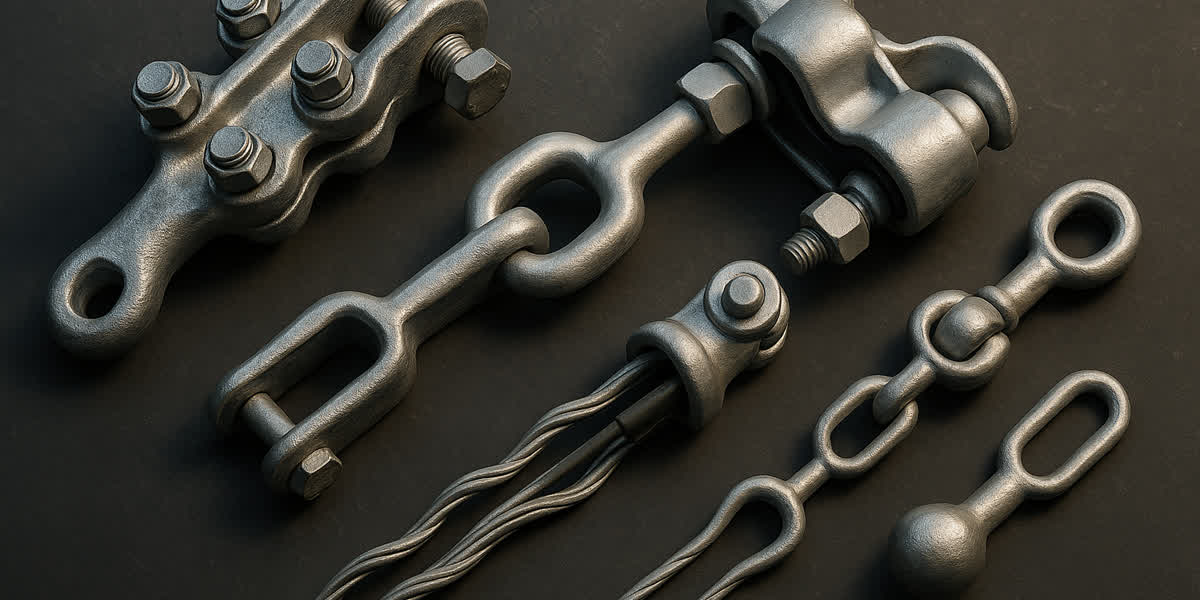
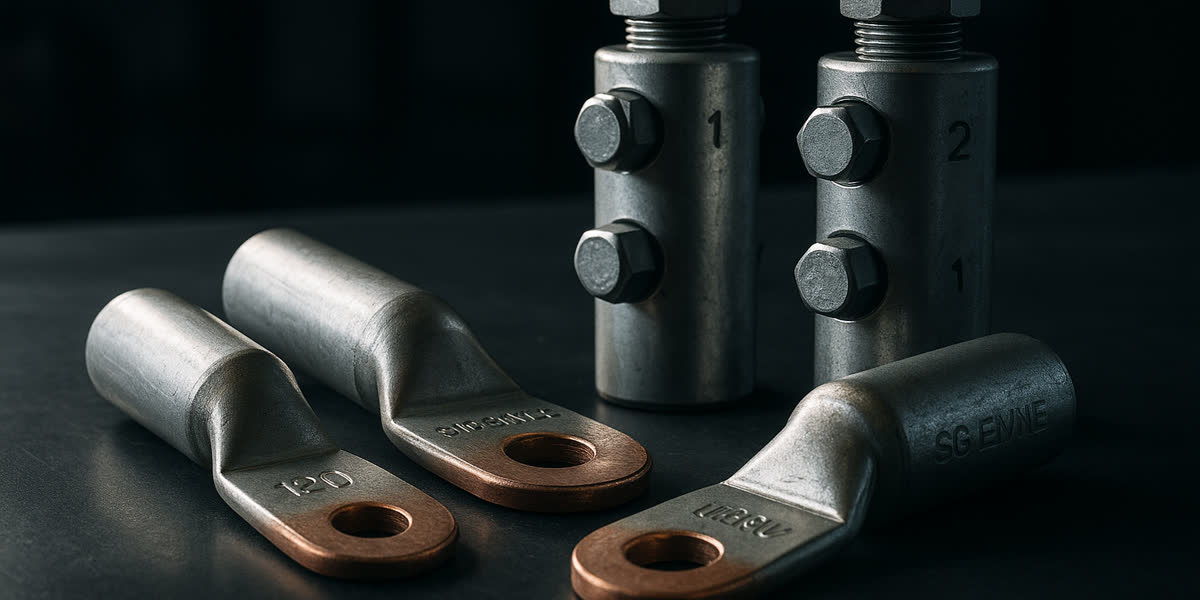
P: ¿ACSS requiere herrajes y accesorios especiales? R: Sí. ACSS requiere accesorios de compresión diseñados para los alambres de aluminio blando y el núcleo de acero. El herraje estándar de ACSR puede no agarrar correctamente el aluminio blando.
9. Conclusión
La elección entre ACSR, AAAC y ACSS depende de una evaluación cuidadosa de los requisitos mecánicos, las condiciones ambientales, las demandas de carga eléctrica y la economía del ciclo de vida:
- ACSR sigue siendo el caballo de batalla de la industria — rentable, probado y versátil para la gran mayoría de las aplicaciones.
- AAAC es la opción premium para entornos corrosivos y distribución de gran vano, ofreciendo un excelente valor a largo plazo.
- ACSS es el especialista para reconductoring a alta temperatura y aumento de capacidad, permitiendo 2-3× de ganancia de ampacidad sin nuevas estructuras.
Para una discusión más detallada de las especificaciones de ACSR, consulte nuestra Guía Técnica del Conductor ACSR. Para explorar opciones de productos, visite nuestra Página de Productos de Conductores Desnudos.
Este artículo es mantenido por SiTong Cable para proporcionar información técnica actualizada. Para requisitos específicos del proyecto, consulte con nuestro equipo de ingeniería en sales@sitongcable.com.