AAC Conductor (All Aluminum Conductor): Complete Technical Specification and Selection Guide

2026-06-08 | SiTong Cable | technical
AAC Conductor (All Aluminum Conductor): Complete Technical Specification and Selection Guide

AAC Conductor (All Aluminum Conductor): Complete Technical Specification and Selection Guide

Introduction

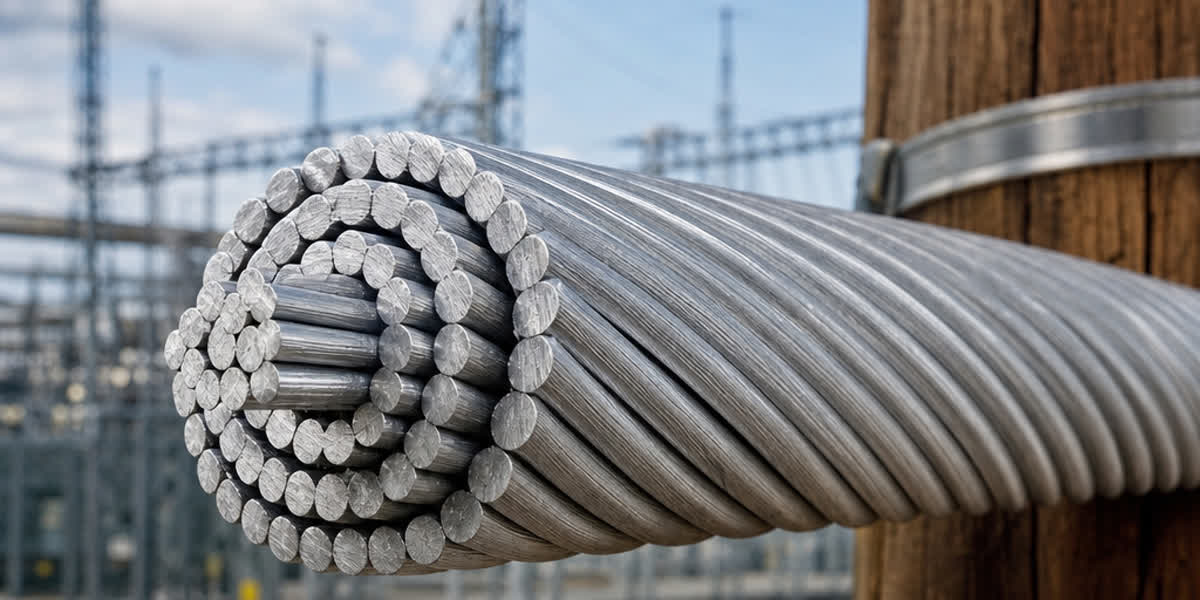
All Aluminum Conductor (AAC), also known as AAC conductor or all-aluminum stranded conductor, is one of the most widely used bare overhead conductor types in the global power transmission and distribution industry. Constructed entirely from electrolytic-grade aluminum (minimum 99.5% purity, EC-grade 1350-H19 alloy), AAC offers an excellent balance of conductivity, light weight, and corrosion resistance at a competitive cost.

Unlike ACSR (Aluminum Conductor Steel Reinforced) which uses a steel core for added strength, or AAAC (All Aluminum Alloy Conductor) which uses heat-treated aluminum alloy, AAC relies entirely on the inherent properties of high-purity aluminum strands. This makes AAC the preferred choice for short-span distribution lines, coastal environments, and applications where corrosion resistance is paramount.

This comprehensive guide covers AAC conductor technical specifications, industry standards (ASTM B231, IEC 61089, BS 215), stranding configurations, ampacity ratings, selection criteria, and application best practices.

Technical Specifications

Material Properties

AAC conductors are manufactured from EC-1350 grade aluminum, which is at least 99.5% pure aluminum with controlled impurities. The key material properties are:

Property Value Standard
Purity ≥ 99.5% Al ASTM B230
Tensile Strength (individual wire) 170-200 MPa ASTM B230
Elongation at Break ≥ 1.5% ASTM B230
Conductivity (IACS) 61.2% minimum ASTM B193
Density 2.705 g/cm³
Coefficient of Linear Expansion 23.0 × 10⁻⁶ /°C
Young's Modulus 69 GPa
Resistivity at 20°C 2.8264 × 10⁻⁸ Ω·m ASTM B193

Standard Stranding Configurations

AAC conductors follow specific stranding patterns that balance flexibility, current-carrying capacity, and mechanical strength. Common configurations per ASTM B231 (Concentric-Lay-Stranded Aluminum Conductors):

Code Word Stranding Diameter (mm) Weight (kg/km) Rated Strength (kN) DC Resistance at 20°C (Ω/km)
Aster 7/2.59 7.77 118 16.1 0.8029
Bluebell 7/3.00 9.00 158 21.5 0.5894
Canna 7/3.66 10.98 236 32.0 0.3960
Daisy 7/4.15 12.45 303 41.2 0.3075
Iris 19/2.36 11.80 260 37.0 0.3598
Lily 19/2.59 12.95 313 44.6 0.2982
Pansy 19/3.00 15.00 420 59.8 0.2219
Rose 19/3.20 16.00 478 68.1 0.1950
Tulip 19/3.40 17.00 539 76.8 0.1730
Valerian 37/2.36 16.52 509 73.1 0.1838
Zinnia 37/2.59 18.13 614 88.2 0.1527

Note: These code words (flower names) are standard identifiers per ASTM B231. Stranding patterns are written as (number of strands)/(diameter of each strand in mm).

Ampacity Ratings

Current-carrying capacity (ampacity) depends on ambient temperature, wind speed, solar radiation, and maximum allowable conductor temperature. The following table shows typical ampacity values for the most common AAC sizes under standard conditions (40°C ambient, 0.6 m/s wind, full sun, 75°C max conductor temperature):

Conductor Size (AWG/kcmil) Equivalent Code Ampacity (A)
4 AWG 83
2 AWG 110
1/0 AWG 152
2/0 AWG 176
3/0 AWG 204
4/0 AWG 236
266.8 kcmil Lily 313
336.4 kcmil Pansy 381
397.5 kcmil Rose 422
477.0 kcmil Tulip 478
556.5 kcmil Valerian 531
636.0 kcmil Zinnia 589

Industry Standards

ASTM Standards

  • ASTM B230 — Standard Specification for Aluminum 1350-H19 Wire for Electrical Purposes
  • ASTM B231 — Standard Specification for Concentric-Lay-Stranded Aluminum 1350 Conductors
  • ASTM B263 — Standard Test Method for Determination of Cross-Sectional Area of Stranded Conductors

IEC Standards

  • IEC 61089 — Round Wire Concentric Lay Overhead Electrical Stranded Conductors
  • IEC 61597 — Overhead Electrical Conductors — Calculation Methods for Stranded Bare Conductors
  • IEC 60104 — Aluminium-Magnesium-Silicon Alloy Wire for Overhead Line Conductors

Other Standards

  • BS 215 Part 2 — Aluminium Conductors for Overhead Power Transmission
  • DIN 48201 — Aluminum Stranded Conductors
  • GB/T 1179 — Chinese National Standard for Round Wire Concentric Lay Overhead Electrical Stranded Conductors

AAC vs AAAC vs ACSR: Comparative Analysis

Property AAC AAAC ACSR
Material 1350-H19 aluminum 6201-T81 aluminum alloy 1350-H19 aluminum + steel core
Conductivity (% IACS) 61.2% 52.5-53.5% 61.2% (Al layer)
Strength-to-Weight Ratio Lowest Medium Highest
Weight Lightest Medium Heaviest (per same diameter)
Corrosion Resistance Excellent (uniform metal) Very Good Good (⚠️ galvanic corrosion risk with steel)
Sag at High Temperature Higher sag Medium sag Lowest sag
Cost per km Low Medium Low-Medium
Typical Span Length < 100 m < 150 m > 200 m
Common Applications Urban distribution, coastal lines Transmission, river crossings Long-span transmission, rural lines

Applications and Use Cases

1. Urban Distribution Networks

AAC is extensively used in urban overhead distribution lines where span lengths are typically short (30-80 meters) and the risk of corrosion from industrial or coastal pollution is significant. The light weight of AAC reduces tower and pole loading, enabling longer pole spacing and reduced structural costs.

2. Coastal and Marine Environments

Due to its homogeneous aluminum construction with no bimetallic corrosion interfaces, AAC offers superior performance in coastal areas where salt spray accelerates galvanic corrosion in ACSR conductors. Many coastal utilities exclusively specify AAC for distribution networks within 10 km of coastlines.

3. Industrial Facilities

Large industrial plants, refineries, and mining operations use AAC for internal power distribution where short spans and corrosion resistance are prioritized over extreme mechanical strength.

4. Temporary and Emergency Lines

The light weight and excellent handling characteristics of AAC make it ideal for temporary power lines, emergency restoration applications, and mobile substation connections.

5. Substation Bus Work

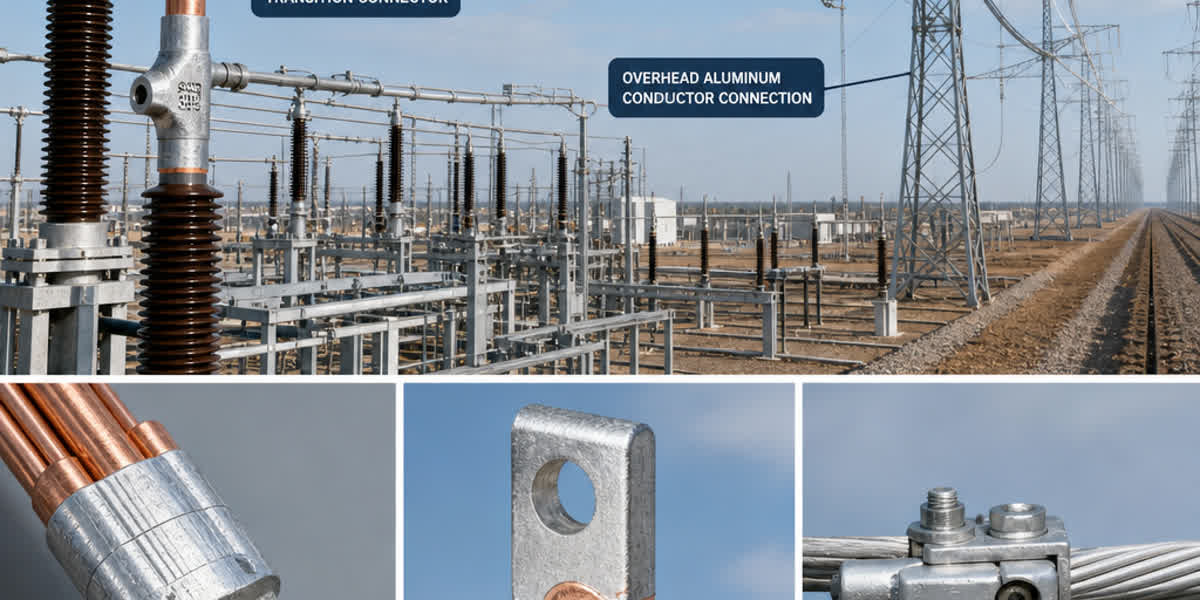
AAC (or its tubular equivalent, AATC — All Aluminum Tubular Conductor) is commonly used for substation bus bars and connective jumpers where flexibility and high conductivity are required.

Advantages and Limitations

Advantages ✅

  • Highest conductivity among overhead conductors at 61.2% IACS
  • Excellent corrosion resistance — no galvanic corrosion
  • Lightest weight per unit length among bare conductors
  • Easy to handle and install — no special tools required for steel core cutting
  • Good flexibility due to pure aluminum strands
  • Lower initial cost compared to AAAC and special-purpose conductors
  • Recyclable — pure aluminum has high scrap value

Limitations ❌

  • Lowest mechanical strength — limited to shorter spans
  • Poorer sag performance at high temperatures
  • Not suitable for long-span river crossings or mountainous terrain
  • Vibration fatigue can be a concern in windy areas (requires dampers)
  • Limited ampacity at high operating temperatures compared to steel-reinforced conductors

Selection Guide

Step-by-Step Selection Process

  1. Determine electrical requirements: Calculate load current and acceptable voltage drop to determine minimum conductor cross-section.
  2. Assess span length: If spans exceed 100 meters, consider AAAC or ACSR instead.
  3. Evaluate environmental conditions: Coastal areas, industrial zones with pollution, and high-humidity regions favor AAC.
  4. Check mechanical loads: Ice loading, wind loading, and combined load cases per local codes.
  5. Compare economics: Consider total lifecycle cost including installation, maintenance, and line losses.
  6. Verify voltage drop: Use standard formula: Vd = √3 × I × L × (R cosφ + X sinφ) for three-phase systems.

When to Choose AAC

  • Short spans (< 100 meters) in distribution networks
  • Coastal and industrial environments requiring corrosion resistance
  • Secondary distribution and service drops
  • Light-load rural distribution
  • Temporary or emergency installations
  • Substation bus and jumper applications

When to Choose an Alternative

Alternative When to Choose
AAAC Medium spans (100-150 m), higher strength needed, high corrosion resistance, lighter than ACSR
ACSR Long spans (> 150 m), high mechanical strength, higher tension requirements, lower sag
ACSS Very high temperature operation (up to 250°C), reconductoring projects, limited sag clearance
AACSR High-strength applications with aluminum corrosion resistance

Frequently Asked Questions

Q1: What is the maximum operating temperature for AAC conductors?

According to IEEE 738 and IEC 61597, AAC is typically rated for continuous operation at 75°C (emergency: 90°C) under normal conditions. However, some modern designs allow up to 100°C for short-duration emergencies.

Q2: Can AAC be used for long transmission lines?

AAC is generally not recommended for long-span transmission lines exceeding 100-150 meters due to its lower tensile strength and higher sag. For such applications, ACSR or AAAC is preferred.

Q3: How does AAC compare to AAAC in corrosion resistance?

Both AAC and AAAC offer excellent corrosion resistance since both use uniform aluminum materials. AAC (EC-grade 1350) has slight advantages in highly saline environments due to its higher purity (≥99.5% vs 98.5%+ for AAAC).

Q4: What is the lifespan of an AAC conductor?

Properly installed AAC conductors in non-aggressive environments typically last 40-50+ years. In coastal environments, regular inspection every 3-5 years is recommended to monitor for surface pitting.

Q5: What standards govern AAC conductor manufacturing?

The three primary international standards are ASTM B231 (North America), IEC 61089 (international), and BS 215 Part 2 (UK). Many national standards (DIN, GB/T, JIS) are harmonized with these.

Q6: What is the typical stranding configuration for AAC?

Common configurations include 7-strand (for smaller sizes up to ~50 mm²), 19-strand (for medium sizes 50-200 mm²), 37-strand (for larger sizes 200-500 mm²), and 61-strand (for very large sizes above 500 mm²), all per concentric lay stranding per ASTM B231.

Q7: Do aluminum conductors creep over time?

Yes, aluminum experiences a phenomenon called "creep" — gradual elongation under sustained tensile stress. AAC has a higher creep rate than ACSR or AAAC. This requires proper initial sagging and occasional re-sagging in long spans. The creep rate is defined by IEEE 1283.

Q8: What accessories are needed for AAC installations?

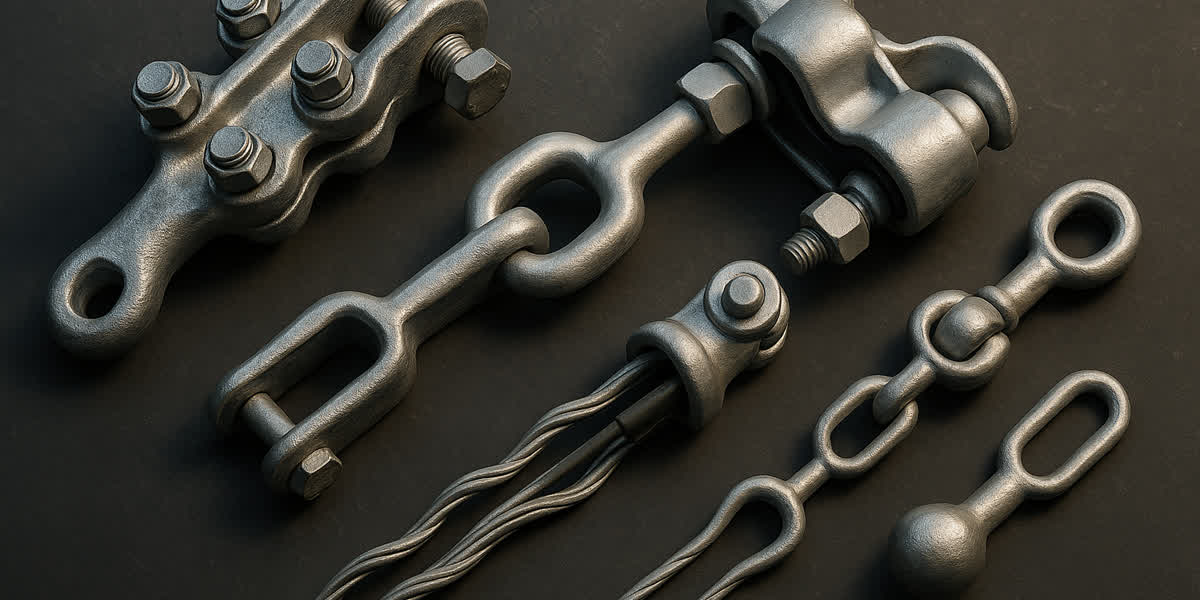
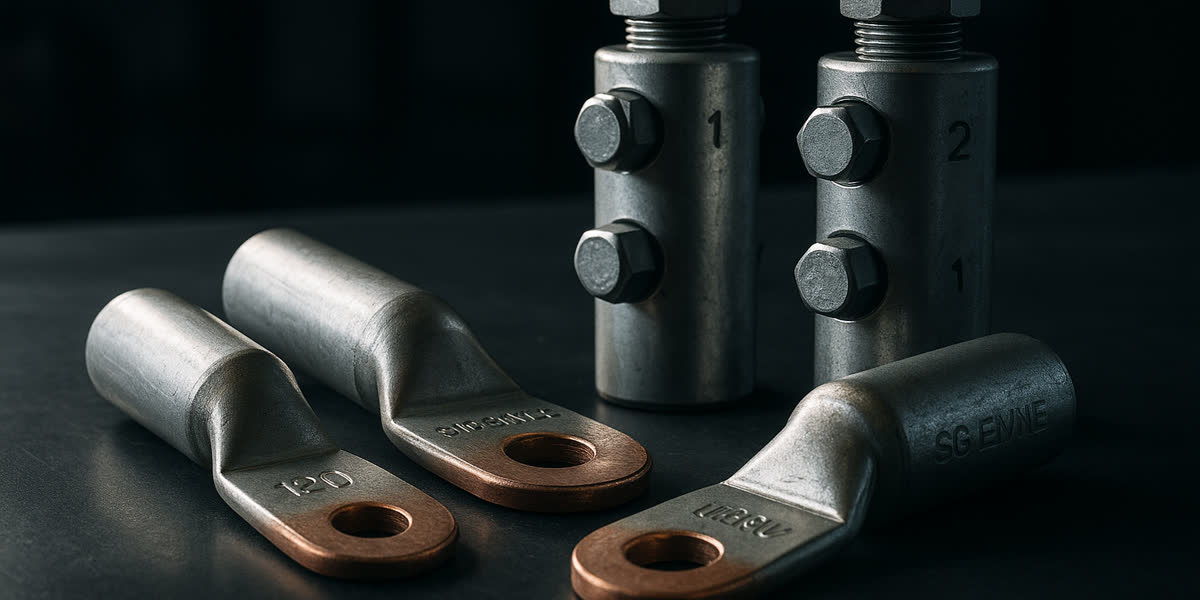
Standard accessories include compression-type dead-end clamps (all-aluminum or aluminum alloy), bolted-type suspension clamps, ACFR (aluminum-formed armor rods) for vibration protection, mid-span compression splices, and radial compression terminals for substation connections.

Browse our full range of AAC conductor products: - AAC Conductor Products - AAC 1350-H19 Stranded Conductor - ACSR Conductor Products - AAAC Conductor Products

For related reading, check our technical guide on ACSR conductors and our AAC vs ACSR comparison.

Conclusion

AAC (All Aluminum Conductor) remains a fundamental and highly practical solution for overhead power distribution, particularly in urban networks, coastal installations, and short-span applications where its exceptional corrosion resistance and high conductivity provide clear advantages. Understanding the technical specifications, industry standards, and selection criteria covered in this guide enables engineers and procurement professionals to make informed decisions tailored to their project requirements.

For detailed specifications, pricing, and availability of AAC conductors, please contact our sales team — SiTong Cable provides AAC conductors manufactured to ASTM B231, IEC 61089, and other international standards with full traceability and quality certification.