Guía Completa de Cable Concéntrico: Construcción, Normas, Selección y Mejores Prácticas de Ingeniería
Guía Completa de Cable Concéntrico: Construcción, Normas, Selección y Mejores Prácticas de Ingeniería
El cable concéntrico (también conocido como cable de neutro concéntrico o Concentric Neutral CN) es el cable de potencia estándar para sistemas de distribución subterránea en Norteamérica y en todo el mundo. Su diseño único de neutro concéntrico trenzado helicoidalmente ofrece un rendimiento eléctrico excelente y protección mecánica en una estructura integrada. Esta guía integral cubre la construcción del cable concéntrico, las normas internacionales (IEC 60502, AEIC CS8, ICEA S-94-649, IEEE 404, ASTM), clasificaciones de tensión, metodología de selección, prácticas de instalación y preguntas frecuentes — ayudando a ingenieros eléctricos y profesionales de compras a tomar decisiones óptimas.
1. Introducción al Cable Concéntrico
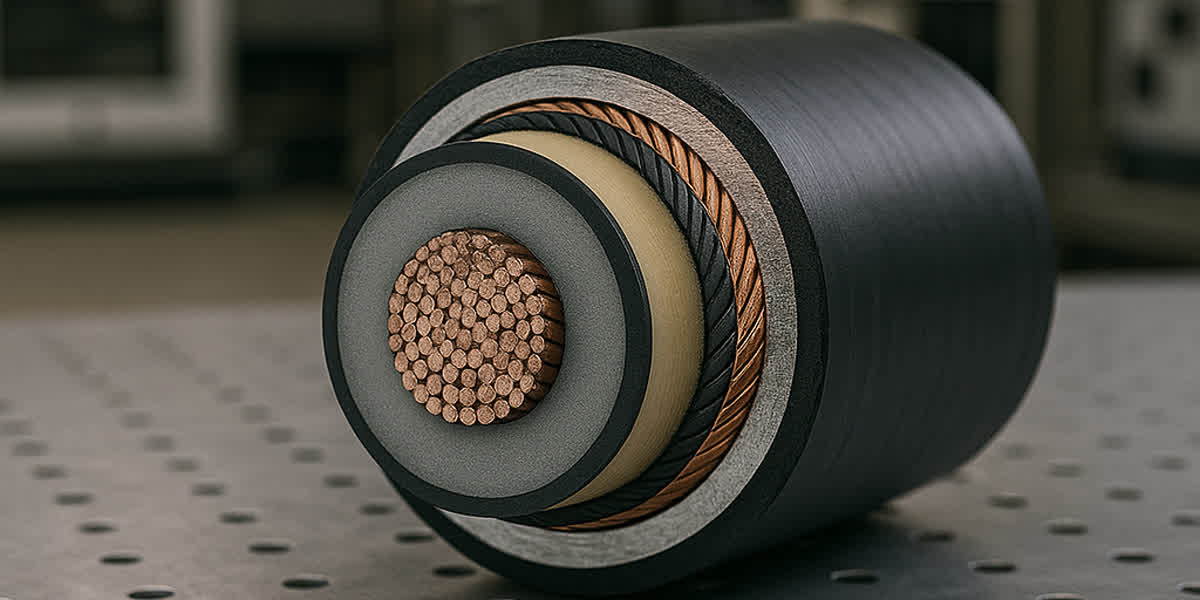
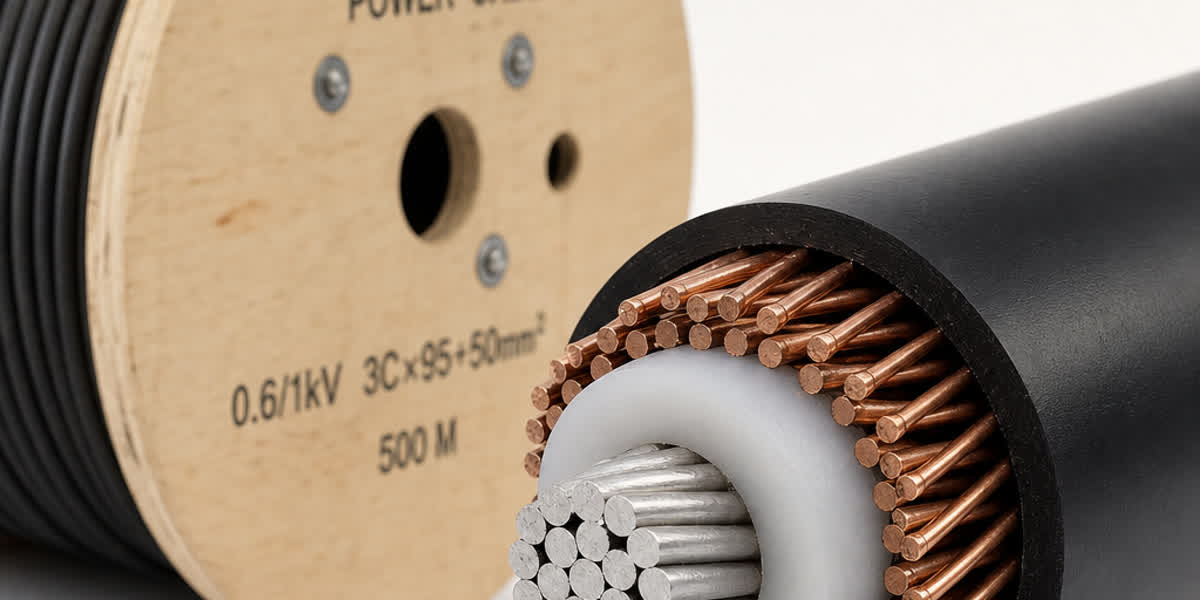
Un cable concéntrico consiste en un conductor de núcleo aislado con alambres de cobre desnudo o estañado aplicados helicoidalmente sobre el aislamiento. En este diseño, los alambres neutros cumplen una doble función: conducir la corriente de retorno neutra Y proporcionar protección mecánica, eliminando la necesidad de una cubierta metálica separada.
Capas de Construcción del Núcleo:
| Capa | Material | Función |
|---|---|---|
| Conductor | Cobre (Clase B/C trenzado según ASTM B3/B8) o Aluminio 1350 (ASTM B231/B609) | Trayecto principal de corriente |
| Pantalla del conductor | XLPE semiconductor (pantalla interna) | Campo eléctrico uniforme, eliminar espacios de aire |
| Aislamiento | XLPE (polietileno reticulado — preferido) o EPR (caucho etileno-propileno — casos especiales) | Aislamiento eléctrico |
| Pantalla de aislamiento | XLPE semiconductor (pantalla externa) + cinta/alambre metálico | Contener campo eléctrico, superficie equipotencial |
| Neutro concéntrico | Alambres de cobre desnudo o estañado, trenzados helicoidalmente | Retorno de corriente neutra + protección mecánica |
| Cubierta (opcional) | PVC o PE | Protección contra corrosión, mecánica y química |
🔗 Explore nuestra gama de cables concéntricos: Productos de Cable Concéntrico
2. Marco de Normas Internacionales
El diseño, fabricación y prueba de cables concéntricos deben cumplir con las siguientes normas principales:
| Norma | Alcance | Requisitos Clave |
|---|---|---|
| IEC 60502-2 | Cables de media tensión 6kV–30kV | Espesor de aislamiento, pruebas eléctricas, requisitos de construcción |
| AEIC CS8-07 | Cables de dieléctrico extruido 5–46kV | Especificación principal para cables URD norteamericanos |
| ICEA S-94-649 | Cables de neutro concéntrico (600V–35kV) | Dimensionamiento de neutros, especificaciones de trenzado |
| IEEE 404 | Empalmes de cable | Normas para empalmes 300V–500kV |
| IEEE 48 | Terminales de cable | Pruebas y certificación de terminales exteriores |
| ASTM B3/B8/B33 | Conductores de cobre | Especificaciones de cobre recocido/trenzado/estañado |
| UL 1072 | Cables de media tensión | Certificación de seguridad norteamericana |
| NEMA WC-70/ICEA S-93-639 | Cables de baja tensión 600V | Normas para cables concéntricos de BT |
Directrices de Selección de Normas: Para mercados norteamericanos, siga AEIC CS8 + ICEA S-94-649 como base de diseño. Para Medio Oriente, Sudeste Asiático, Sudamérica y la mayoría de mercados internacionales, use IEC 60502-2 complementado con requisitos específicos del cliente.
3. Clasificación por Tensión y Tipo
3.1 Por Tensión Nominal
| Tensión Nominal | Aplicación Típica | Tipo de Aislamiento | Norma de Referencia |
|---|---|---|---|
| 600/1000V | Distribución BT, alumbrado público, energía temporal | XLPE / PVC | IEC 60502-1 / UL 1277 |
| 5kV / 8kV | Distribución industrial, minería | XLPE | AEIC CS8 / ICEA S-94-649 |
| 15kV | ★ URD subterráneo (más común) | XLPE | AEIC CS8 / IEEE 404 |
| 25kV | Distribución urbana, grandes campus | XLPE | AEIC CS8 / IEEE 404 |
| 28kV / 35kV | Industria pesada, alimentadores de subestaciones | XLPE / EPR | AEIC CS8 / ICEA S-94-649 |
📌 15kV es la clase de tensión dominante para sistemas URD (Distribución Residencial Subterránea), representando más del 60% de la demanda de cables de distribución subterránea en Norteamérica.
3.2 Por Tipo de Construcción
| Clasificación | Descripción | Aplicación Típica |
|---|---|---|
| Concéntrico completo (Full) | Sección neutra al 100% | Circuitos de distribución urbana subterránea |
| Concéntrico reducido | Sección neutra 1/3 o 1/6 | Circuitos residenciales derivados |
| Pantalla de cinta | Cinta de cobre reemplaza alambres trenzados | Aplicaciones industriales especiales |
| Neutro desnudo (sin cubierta) | Sin cubierta PVC/PE | Instalación en conducto |
| Con cubierta (Jacketed) | Con cubierta exterior PVC/PE | Instalación enterrada directa |
4. Tabla de Referencia de Especificaciones de Conductores
Especificaciones típicas de conductores y parámetros eléctricos para cable concéntrico de 15kV (conductor de cobre, aislamiento XLPE):
| AWG/kcmil | Sección (mm²) | Ampacidad (A, 90°C, enterrado) | Resistencia CC (Ω/km @20°C) | Neutro × Calibre |
|---|---|---|---|---|
| #4 AWG | 21.1 | 85 | 0.840 | 6 × #14 |
| #2 AWG | 33.6 | 110 | 0.528 | 6 × #14 |
| #1/0 AWG | 53.5 | 145 | 0.332 | 10 × #14 |
| #2/0 AWG | 67.4 | 165 | 0.263 | 13 × #14 |
| #4/0 AWG | 107 | 210 | 0.166 | 16 × #14 |
| 250 kcmil | 127 | 235 | 0.139 | 18 × #14 |
| 350 kcmil | 177 | 280 | 0.100 | 20 × #14 |
| 500 kcmil | 253 | 330 | 0.070 | 24 × #14 |
| 750 kcmil | 380 | 395 | 0.046 | 30 × #14 |
| 1000 kcmil | 507 | 445 | 0.035 | 36 × #14 |
Nota: Ampacidad basada en NEC Tabla 310.60(C)(72), enterramiento directo, resistividad térmica del suelo 90°C·cm/W, temperatura ambiente 20°C. La ampacidad real debe calcularse según condiciones específicas de instalación y factores de reducción.
5. Diseño y Cálculo del Neutro Concéntrico
5.1 Requisitos de Sección del Neutro
Según AEIC CS8 e ICEA S-94-649, la sección del neutro concéntrico debe cumplir:
- Neutro completo (100%): Sección del neutro = Sección del conductor principal
- Neutro reducido (1/3): Sección del neutro = 1/3 de la sección del conductor principal (para escenarios de neutro compartido en múltiples circuitos)
5.2 Selección de Alambres del Neutro
| Calibre Neutro | Diámetro (mm) | Sección Individual (mm²) | Alambres Requeridos para 100% (con #4/0 AWG Cu) |
|---|---|---|---|
| #14 AWG | 1.63 | 2.08 | 107 / 2.08 ≈ 52 → real: 16 × #14 (67%, diseño típico) |
| #12 AWG | 2.05 | 3.31 | 107 / 3.31 ≈ 33 |
| #10 AWG | 2.59 | 5.26 | 107 / 5.26 ≈ 21 |
En la práctica, 16 × #14 AWG es la configuración de neutro más común para conductores de cobre #4/0 AWG, proporcionando aproximadamente una relación de sección del 67% — un diseño equilibrado entre costo y rendimiento.
5.3 Dirección de Trenzado y Paso
- Dirección de trenzado: Típicamente izquierda (dextrorso), visto desde el eje longitudinal del cable hacia afuera
- Relación de paso (Lay ratio): Rango típico 8–16 veces el diámetro del cable
- Ángulo de trenzado: 18°–25° recomendado para estabilidad mecánica
6. Especificaciones Técnicas de Instalación
6.1 Radio Mínimo de Curvatura
| Tipo de Cable | Durante Instalación | Después de Instalación (Fijo) |
|---|---|---|
| Cable concéntrico con cubierta (apantallado/con cubierta) | 12 × DE | 8 × DE |
| Cable concéntrico de neutro desnudo | 8 × DE | 5 × DE |
| Cable concéntrico de baja tensión 600V | 6 × DE | 4 × DE |
6.2 Tensión Máxima de Tracción
| Conductor | Tensión Máxima |
|---|---|
| Cobre | 7,000 psi × sección (in²) |
| Aluminio | 4,800 psi × sección (in²) |
| Presión lateral | 500 lb/ft (con cubierta) / 300 lb/ft (sin cubierta) |
6.3 Métodos de Instalación
| Método | Aplicación | Ventajas | Consideraciones |
|---|---|---|---|
| Enterramiento Directo | URD residencial, distribución rural | Bajo costo, instalación rápida | Considerar corrosividad del suelo |
| En Conducto | Carreteras urbanas, cruces de autopistas | Fácil reemplazo, buena protección | Considerar fricción del conducto |
| Zanja de Cables | Plantas industriales, subestaciones | Buen acceso de mantenimiento, enfriamiento eficiente | Mayor costo de construcción |
| Aéreo Temporal | Energía temporal de construcción | Instalación flexible | Requiere soportes seguros |
6.4 Terminación y Puesta a Tierra
La terminación del cable concéntrico debe seguir la norma IEEE 48:
- Eliminación de capa semiconductora: Use herramientas de pelado dedicadas, evite dañar la superficie del aislamiento
- Fabricación de cono de esfuerzo: Conos termocontraíbles o de contracción en frío para eliminar el efecto de fuga
- Puesta a tierra del neutro: Neutro concéntrico completo — conecte ambos extremos para trayectoria de retorno de baja impedancia
- Limitador de tensión de cubierta (SVL): En sistemas de conexión cruzada, limite la tensión de cubierta a ≤25V
- Sellado contra humedad: Use tubos termocontraíbles o de contracción en frío para evitar la entrada de agua
⚠️ Importante: El neutro concéntrico transporta corriente de desequilibrio y corriente de falla en condiciones normales y de falla. Asegure conexiones confiables y de baja resistencia en todos los empalmes.
7. Cable Concéntrico vs Otros Tipos de Cable
| Dimensión Comparativa | Cable Concéntrico | Cable SWA (Armado) | Cable Apantallado | Conductor Desnudo |
|---|---|---|---|---|
| Neutro Integrado | ✅ Sí | ❌ Neutro separado necesario | ❌ Neutro separado necesario | ❌ Neutro separado necesario |
| Protección Mecánica | ⭐⭐⭐ | ⭐⭐⭐⭐⭐ | ⭐⭐ | ⭐ |
| Idoneidad Enterramiento Directo | ✅ Excelente | ✅ Bueno | ⚠️ Limitado | ❌ |
| Eficiencia de Instalación | ⭐⭐⭐⭐ | ⭐⭐⭐ | ⭐⭐⭐⭐ | ⭐⭐⭐ |
| Costo ($/m) | Moderado | Mayor | Moderado | Menor |
| Ampacidad (misma sección) | ⭐⭐⭐⭐ | ⭐⭐⭐ | ⭐⭐⭐⭐ | ⭐⭐⭐⭐⭐ |
| Resistencia a Corrosión | ⭐⭐⭐⭐ | ⭐⭐⭐ | ⭐⭐⭐ | ⭐ |
Evaluación: Para distribución subterránea (especialmente sistemas URD), el cable concéntrico ofrece eficiencia de instalación superior, diseño de neutro integrado y buena relación costo-beneficio. Los cables SWA funcionan mejor en entornos mecánicamente extremos (terreno rocoso, zonas industriales), mientras que los conductores desnudos son adecuados solo para aplicaciones aéreas.
8. Solución de Problemas Comunes
| Problema | Causa Posible | Solución |
|---|---|---|
| Falla de aislamiento | Entrada de agua, daño mecánico externo, defecto de fabricación | Seccione y localice la falla, instale empalme intermedio |
| Sobrecalentamiento del neutro | Desequilibrio severo de fases, mala conexión del neutro | Equilibre cargas, verifique apriete de conexiones |
| Descarga parcial excesiva | Eliminación incorrecta de capa semiconductora, vacíos internos | Vuelva a terminar, realice pruebas de PD |
| Daño de cubierta | Fuerza de tracción excesiva, piedras afiladas en relleno | Localice con prueba de tensión de cubierta |
| Caída de resistencia de aislamiento en empalme | Falla de sellado, entrada de humedad | Reemplace empalme, mejore método de sellado |
9. FAQ — Preguntas Frecuentes
P1: ¿Cuál es la diferencia entre "cable concéntrico" y "cable de neutro concéntrico"? R1: Se refieren al mismo producto. "Cable concéntrico" es el nombre general; "Cable de neutro concéntrico (CN)" enfatiza la característica del neutro trenzado helicoidalmente y es el término estándar en el mercado norteamericano.
P2: ¿Se puede usar el cable concéntrico para aplicaciones aéreas? R2: No. El cable concéntrico está diseñado específicamente para distribución subterránea (URD). Para aplicaciones aéreas, use cable ABC (Aislado Trenzado) o conductores desnudos.
P3: ¿Cómo elegir entre neutro completo (100%) y reducido (1/3)? R3: Si el sistema tiene un sistema de puesta a tierra neutro de baja tensión independiente bien establecido, elija neutro reducido 1/3 para ahorrar costos. Si el cable sirve como circuito independiente que depende de su propio neutro, seleccione neutro completo (100%).
P4: ¿Cuál es la cantidad mínima de pedido para cable concéntrico? R4: Las longitudes estándar de bobina son 500m, 1000m o 1500m. Longitudes personalizadas están disponibles bajo pedido.
P5: ¿Cómo elegir entre conductores de cobre y aluminio? R5: El cobre ofrece mayor ampacidad y conexiones más confiables (especialmente empalmes frecuentes); el aluminio es ~50% más ligero y 30–40% menos costoso — adecuado para alimentadores de larga distancia sensibles al costo/peso.
P6: ¿Cuál es la vida útil del cable concéntrico? R6: En condiciones normales de diseño, el cable concéntrico con aislamiento XLPE típicamente tiene una vida útil de diseño de 30–40 años. La vida útil real depende de la temperatura de operación, eventos de sobrecarga y condiciones ambientales.
P7: ¿Los cables concéntricos de Sitong Cable cumplen con RoHS y REACH? R7: Sí. Todos los productos de cable concéntrico de Sitong Cable cumplen con los requisitos ambientales RoHS (2011/65/EU) y REACH (EC 1907/2006), con formulaciones de cubierta libres de plomo.
10. Conclusión
El cable concéntrico es una de las construcciones de cable más confiables y rentables para sistemas de distribución de energía subterránea. Su diseño integrado de neutro concéntrico elimina la necesidad de instalaciones de neutro separadas, ahorrando costos de material y mano de obra mientras mejora la confiabilidad del sistema. Al seleccionar cable concéntrico, las consideraciones clave incluyen:
- Tensión nominal: 15kV es la más común (estándar URD norteamericano)
- Sistema de normas: AEIC CS8 / ICEA S-94-649 (Norteamérica) o IEC 60502-2 (internacional)
- Configuración de neutro: Completo (100%) vs reducido (1/3), determinado por el esquema de puesta a tierra del sistema
- Condiciones de instalación: Enterramiento directo requiere cubierta; instalación en conducto puede usar neutro desnudo sin cubierta
🔗 Explore nuestra gama completa de cables concéntricos: Productos de Cable Concéntrico
📖 Guía complementaria: Guía Completa de Cable Concéntrico: Instalación y Mantenimiento
📞 ¿Necesita soporte técnico? Contáctenos para soluciones de ingeniería y precios.
Esta guía fue preparada por el equipo técnico de Sitong Cable. Sitong Cable es un fabricante profesional de cables que ofrece cable concéntrico, ACSR, AAC, ABC, cable de control, cable de potencia, cable solar fotovoltaico, cable de barco y más — sirviendo a mercados globales de distribución eléctrica e industrial.