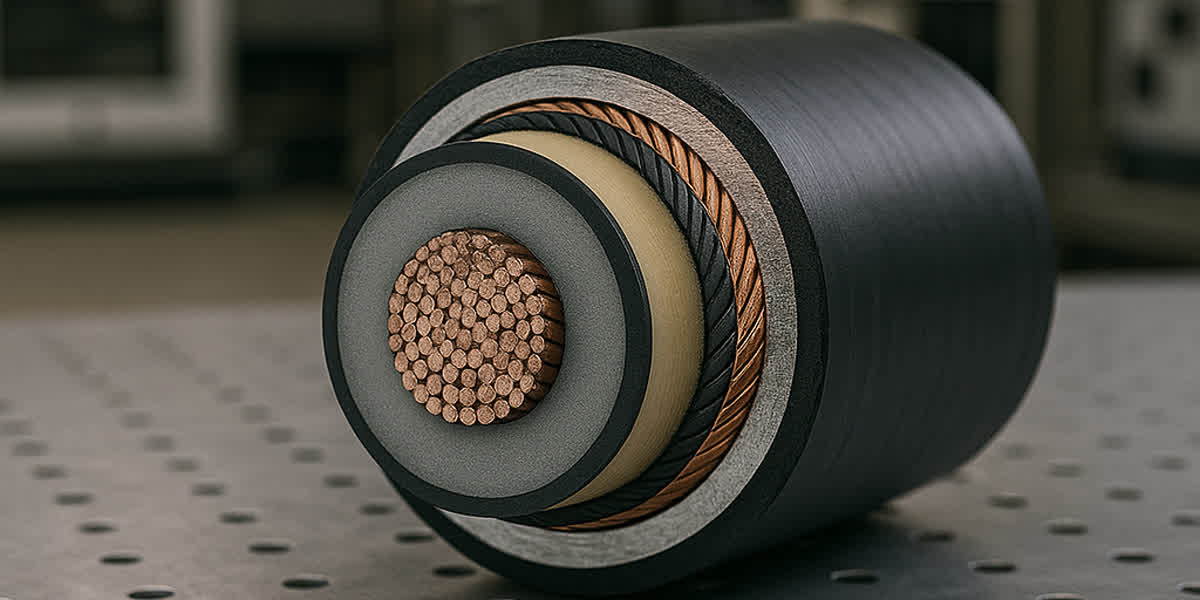
Electric Wire & Building Wire: Complete Selection Guide — Types, Standards, Applications & Best Practices
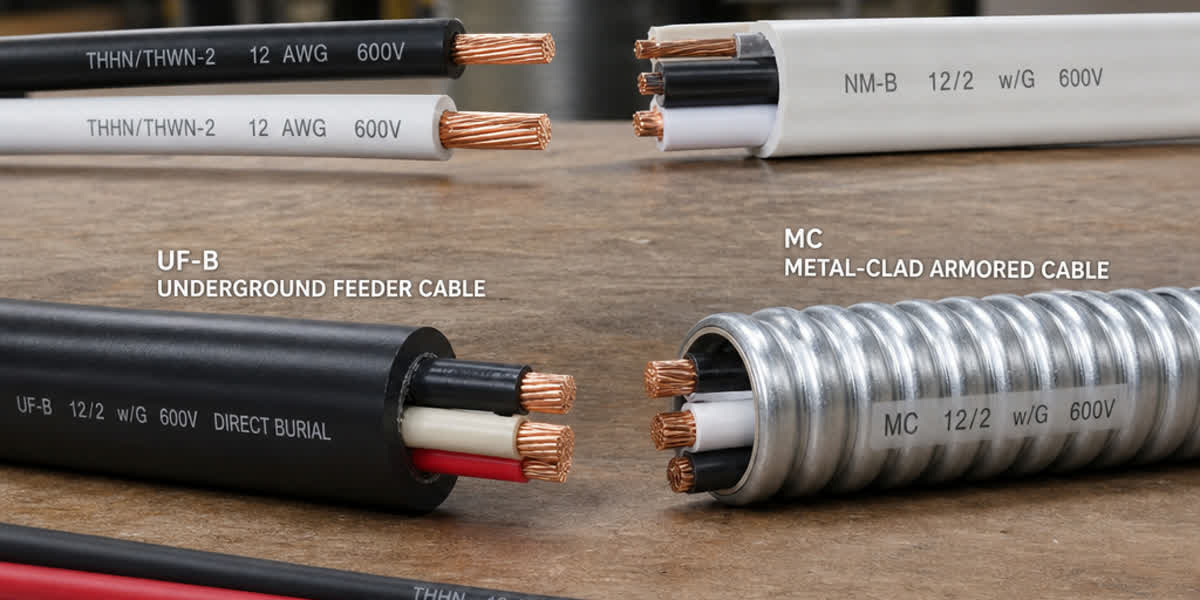
Electric Wire & Building Wire: Complete Selection Guide — Types, Standards, Applications & Best Practices
Introduction
Electric wire — commonly referred to as building wire — is the backbone of every residential, commercial, and industrial electrical installation. From powering lighting circuits and wall outlets in homes to supplying heavy machinery in factories, selecting the correct building wire type is critical for safety, code compliance, and long-term reliability.
This comprehensive guide covers the key types of building wire, their applicable standards (NEC/UL, IEC, BS, AS/NZS), conductor materials, insulation types, ampacity ratings, and practical selection criteria. Whether you are an electrical contractor, facility manager, or design engineer, this guide will help you make informed decisions for your next project.
1. What Is Building Wire? Definition and Scope
Building wire refers to insulated electrical conductors used for fixed installations within buildings — run through conduits, cable trays, raceways, or directly embedded in walls. These wires distribute electrical power from the service entrance to lighting, outlets, appliances, and equipment throughout a structure.
Unlike service entrance cables (e.g., SEU, SER) that connect the utility to the main panel, or portable cords used for temporary connections, building wire is designed for permanent indoor or outdoor installation within building infrastructure.
Common Building Wire Types by Application
| Type | Application | Typical Sizes | Key Standard |
|---|---|---|---|
| THHN/THWN-2 | Conduit wiring in commercial/industrial | 14 AWG – 750 kcmil | UL 83, NEC Article 310 |
| XHHW/XHHW-2 | Conduit wiring, high-heat environments | 14 AWG – 1000 kcmil | UL 44, NEC Article 310 |
| TW/THW | General-purpose wet/dry locations | 14 AWG – 500 kcmil | UL 83, NEC Article 310 |
| UF-B | Underground feeder, direct burial | 14 AWG – 6 AWG | UL 493, NEC Article 340 |
| NM-B (Romex) | Residential dry interior wiring | 14 AWG – 6 AWG | UL 719, NEC Article 334 |
| MC Cable | Armored cable, commercial/industrial | 14 AWG – 4 AWG | UL 1569, NEC Article 330 |
| AC Cable (BX) | Armored cable, residential | 14 AWG – 10 AWG | UL 4, NEC Article 320 |
2. Key Building Wire Standards Worldwide
North America (NEC/UL Standards)
The National Electrical Code (NEC) governs all electrical installations in the United States. Building wires must comply with UL Standards for safety certification:
| Standard | Scope |
|---|---|
| UL 83 | Thermoplastic-insulated wires (THHN, THWN, THW, TW) |
| UL 44 | Thermoset-insulated wires (XHHW, RHH, RHW) |
| UL 719 | Nonmetallic-sheathed cable (NM-B) |
| UL 493 | Underground feeder cable (UF-B) |
| UL 1569 | Metal-clad cable (MC) |
| UL 4 | Armored cable (AC) |
| NEC Article 310 | Conductors for general wiring |
| NEC Article 334 | Nonmetallic-sheathed cable |
| NEC Article 340 | Underground feeder cable |
| NEC Article 330 | Metal-clad cable |
International (IEC/BS Standards)
| Standard | Scope |
|---|---|
| IEC 60228 | Conductors of insulated cables — standard cross-sectional areas |
| IEC 60332-1 | Flame retardant test for single vertical wires |
| IEC 60332-3 | Flame retardant test for bunched wires |
| IEC 60754 | Halogen acid gas evolution test |
| IEC 61034 | Smoke density measurement |
| BS 6004 | PVC-insulated cables for electric power and lighting |
| BS 7211 | Thermosetting insulated cables (LSF/LSZH) |
| BS 7671 (IET Wiring Regulations) | Requirements for electrical installations in the UK |
| AS/NZS 3000 | Australian/New Zealand wiring rules |
| AS/NZS 5000.1 | Electric cables — generic requirements |
3. Conductor Materials: Copper vs. Aluminum
Copper Building Wire
Copper remains the preferred conductor for building wire due to its superior electrical conductivity, mechanical strength, and corrosion resistance.
| Property | Copper (ASTM B3, B787) |
|---|---|
| Conductivity (% IACS) | 100% (annealed) |
| Tensile Strength | 200–250 MPa (soft) |
| Max Operating Temp | 90°C (dry) / 75°C (wet) |
| Corrosion Resistance | Excellent |
| Flexibility | Good (standard) to Excellent (stranded) |
| Relative Cost | Higher |
Common ASTM/UL standards for copper building wire conductors: - ASTM B3 — Soft or annealed copper wire - ASTM B787 — 19-wire combination unilay-stranded copper conductors - ASTM B800 — 8000-series aluminum alloy wire
Aluminum Building Wire
Aluminum (8000-series alloy) is a cost-effective alternative for larger feeder sizes, offering significant weight savings.
| Property | Aluminum (AA-8000 series, ASTM B800) |
|---|---|
| Conductivity (% IACS) | 61% |
| Tensile Strength | 110–170 MPa |
| Max Operating Temp | 90°C (dry) / 75°C (wet) |
| Corrosion Resistance | Good (with proper termination) |
| Flexibility | Moderate |
| Relative Cost | 40–50% lower than copper |
⚠️ Important: All aluminum building wire connections must use CO/ALR-rated devices or antioxidant compounds to prevent galvanic corrosion and thermal expansion issues (NEC 110.14).
4. Insulation Types: Performance Comparison
| Insulation Type | Material Class | Max Temp (Dry) | Max Temp (Wet) | Voltage Rating | Key Feature |
|---|---|---|---|---|---|
| THHN | Thermoplastic (PVC/Nylon) | 90°C | 75°C | 600V | Most common commercial wiring |
| THWN-2 | Thermoplastic (PVC/Nylon) | 90°C | 90°C | 600V | Wet-rated, dual-rated with THHN |
| XHHW-2 | Thermoset (XLPE) | 90°C | 90°C | 600V | Superior heat/moisture resistance |
| TW | Thermoplastic (PVC) | 60°C | 60°C | 600V | Basic wet/dry rating |
| THW | Thermoplastic (PVC) | 75°C | 75°C | 600V | Improved wet rating |
| RHH/RHW-2 | Thermoset (Rubber/XLPE) | 90°C | 90°C | 600V | Heavy-duty industrial |
| LSZH (LSF) | Thermoset/TPE | 90°C | 75°C | 600V–1kV | Low smoke, zero halogen |
| PVC (General) | Thermoplastic | 70°C | 60°C | 450/750V | Cost-effective general purpose |
NEC Ampacity Reference (Copper, 75°C column, not more than 3 current-carrying conductors):
| Size (AWG/kcmil) | THHN/THWN/XHHW (A) | Application |
|---|---|---|
| 14 AWG | 15 A | Lighting circuits |
| 12 AWG | 20 A | General outlets |
| 10 AWG | 30 A | Water heaters, AC units |
| 8 AWG | 50 A | Ranges, sub-panels |
| 6 AWG | 65 A | Large appliances |
| 4 AWG | 85 A | Feeders |
| 2 AWG | 115 A | Main feeders |
| 1/0 AWG | 150 A | Service entrance |
| 2/0 AWG | 175 A | Large services |
| 4/0 AWG | 230 A | Main services |
| 250 kcmil | 255 A | Heavy feeders |
| 350 kcmil | 310 A | Industrial |
| 500 kcmil | 380 A | Large industrial |
Note: Ampacity must be derated for ambient temperature, number of conductors in conduit, and burial conditions per NEC Table 310.15(B)(3)(a) and NEC 310.15(B)(16). Always consult local code requirements, which may differ.
5. Building Wire Type Selection Guide by Installation Scenario
🏠 Residential Wiring
| Scenario | Recommended Wire | Standard | Reason |
|---|---|---|---|
| Interior lighting/receptacles | NM-B (Romex) 14/2, 12/2 | UL 719, NEC 334 | Cost-effective, easy installation |
| Kitchen/bathroom circuits | NM-B 12/2, THHN in conduit | UL 719 / UL 83 | Code compliance, moisture areas |
| Dryer/range circuits | NM-B 10/3, 8/3 | UL 719 | High-load appliances |
| Outdoor receptacles | UF-B 12/2 | UL 493, NEC 340 | Direct burial, wet rating |
| Service entrance (100-200A) | THHN/XHHW in conduit | UL 83 / UL 44 | High ampacity, code required |
| Sub-panel feeders (outdoor) | XHHW-2 or UF-B | UL 44 / UL 493 | Environmental durability |
🏢 Commercial Wiring
| Scenario | Recommended Wire | Standard | Reason |
|---|---|---|---|
| Conduit wiring (general) | THHN/THWN-2 | UL 83 | Versatile, dual-rated |
| High-heat areas (boilers, rooftops) | XHHW-2 | UL 44 | 90°C wet/dry, moisture resistance |
| Cable tray installations | THHN/XHHW or MC Cable | NEC 392 | Mechanical protection |
| Open office wiring | MC Cable | UL 1569, NEC 330 | Speed of installation |
| Fire alarm / emergency systems | FPL / FPLP | NEC 760, UL 1424 | Fire rating required |
| Data centers | LSZH (low smoke) | BS 7211, IEC 61034 | Safety-critical, low toxicity |
🏭 Industrial Wiring
| Scenario | Recommended Wire | Standard | Reason |
|---|---|---|---|
| Motor circuits | THHN/XHHW in conduit | UL 83 / UL 44 | Vibration resistance |
| Control panels | TFFN/THHN (stranded) | UL 83 | Flexibility for panel wiring |
| Hazardous locations (Class I/II) | XHHW-2 or MI Cable | NEC 500-517 | Temperature/pressure rated |
| Conveyor systems | MC Cable (continuous) | UL 1569 | Mechanical abuse protection |
| Outdoor tray wiring | XHHW-2 / PV-rated cables | UL 44 | UV, moisture, temperature |
6. Key Selection Criteria: How to Choose the Right Building Wire
Step 1: Determine Voltage and Ampacity Requirements
- Calculate total connected load (VA or watts)
- Apply demand factors per NEC Article 220
- Select conductor size per NEC Table 310.15(B)(16)
- Apply derating factors (temperature, conduit fill)
Step 2: Assess Environmental Conditions
- Wet or dry location? → THWN-2, XHHW-2, UF-B for wet
- Temperature exposure? → XHHW-2 (90°C wet/dry)
- UV or sunlight exposure? → PV-rated or sunlight-resistant
- Corrosive atmosphere? → LSZH, PVC jacket, aluminum (not copper) in specific cases
- Direct burial? → UF-B or XHHW-2 in conduit
Step 3: Determine Mechanical Requirements
- Conduit vs. cable tray vs. open wiring? → THHN for conduit, MC for tray
- Flexibility needed? → Stranded for panel wiring, solid for fixed runs
- Abrasion or impact risk? → MC Cable or conduit-protected wiring
Step 4: Check Code and Regulatory Requirements
- NEC compliance (US) → All listed types
- BS 7671 (UK) → Harmonized cable codes (e.g., H07RN-F, H07V-K)
- AS/NZS 3000 (AU/NZ) → V-90, R-90 ratings
- Local amendments → Always verify with authority having jurisdiction (AHJ)
Step 5: Compare Cost vs. Lifecycle Value
- Copper: higher upfront cost, longer service life, lower losses
- Aluminum (AA-8000): lower material cost, lighter, requires proper termination
- Always factor installation labor, especially for large feeders
7. Stranding Options: Solid vs. Stranded Conductors
| Type | Size Range | Application | Advantages |
|---|---|---|---|
| Solid | 14–10 AWG | Residential NM-B, fixed wiring | Lower cost, stiffer, holds shape |
| 7-Strand | 8–2 AWG | General building wire | Good flexibility, standard choice |
| 19-Strand (Class B) | 1 AWG – 4/0 | Feeders, service conductors | Excellent flexibility, low resistance |
| Class B Stranded | 250 kcmil+ | Large feeders, service | Flexibility for bending, pulling |
| Class C Stranded | All sizes | Panels, vibration applications | Highest flexibility |
| Flexible (Class K/M) | All sizes | Control panels (TFFN, AWM) | Maximum flexibility |
ASTM Standards for Stranding: - ASTM B787 — 19-wire combination unilay-stranded (compact, better performance) - ASTM B800 — 8000-series aluminum alloy (standard building wire grade)
8. Color Coding for Building Wire (NEC Standards)
| Function | Color (120/208V) | Color (277/480V) |
|---|---|---|
| Hot (Phase A) | Black | Brown |
| Hot (Phase B) | Red | Orange |
| Hot (Phase C) | Blue | Yellow |
| Neutral | White or Gray | White or Gray |
| Ground (GEC) | Bare, Green, or Green/Yellow | Bare, Green, or Green/Yellow |
| Traveler (3-way) | Red | — |
| Switch Leg | Black or Red | — |
European color coding (IEC/BS 7671): - Live: Brown, Black, Gray - Neutral: Blue - Ground: Green/Yellow
9. Frequently Asked Questions (FAQ)
Q1: What is the difference between THHN and THWN wire?
THHN is rated 90°C dry / 75°C wet, while THWN-2 is rated 90°C in both dry and wet locations. Most modern THHN is dual-rated as THHN/THWN-2.
Q2: Can NM-B (Romex) be used outdoors?
NM-B is not rated for outdoor use or damp locations (NEC 334.12). Use UF-B for outdoor direct burial or THHN/XHHW in conduit for exposed outdoor installations.
Q3: What size building wire do I need for a 100A service?
For a 100A residential service, typical copper sizing is #4 AWG THHN (85A) for the feed — but the main breaker is 100A protected. In practice, #2 AWG aluminum or #4 AWG copper THHN is common, depending on distance and voltage drop. Always consult NEC Table 310.15(B)(16) and local codes.
Q4: Is aluminum building wire safe?
Modern AA-8000 series aluminum wire, when installed with CO/ALR-rated devices and proper torque, is safe and reliable. Older (pre-1970s) 1350-series aluminum had expansion issues; this has been resolved with alloy improvements (refer to ASTM B800).
Q5: What wire is required for a sub-panel?
Use THHN/XHHW conductors in conduit (for outdoor runs) or appropriate feeder cable. The ground wire must be sized per NEC Table 250.122. A separate ground rod is required for detached structures (NEC 250.32).
Q6: What is XHHW wire best for?
XHHW-2 is the best choice for high-temperature, wet, and corrosive environments — rooftops, boiler rooms, tunnels, and industrial plants — due to its cross-linked polyethylene (XLPE) insulation.
Q7: How do I choose between MC Cable and THHN in conduit?
MC Cable (armored) is faster to install for long, straight runs and provides built-in mechanical protection. THHN in conduit is more flexible for complex paths and allows easier future wire pulls.
Q8: What is the maximum voltage drop allowed?
NEC recommends no more than 3% for branch circuits and 5% total (feeder + branch). For long runs, upsize the conductor to maintain voltage regulation.
10. Sitong Cable Building Wire Products
Sitong Cable offers a comprehensive range of building wire products certified to international standards:
| Product | Standard | Sizes | Features |
|---|---|---|---|
| THHN/THWN-2 Building Wire | UL 83, NEC | 14 AWG – 750 kcmil | PVC/Nylon insulation, dual-rated |
| XHHW-2 Building Wire | UL 44 | 14 AWG – 1000 kcmil | XLPE insulation, 90°C wet/dry |
| NM-B (Nonmetallic Sheathed Cable) | UL 719 | 14/2 – 6/3 | For residential interiors |
| UF-B (Underground Feeder) | UL 493 | 14/2 – 6/3 | Direct burial rated |
| MC (Metal-Clad Cable) | UL 1569 | 14/4 – 4/4 | Galvanized steel armor |
| LSZH Building Wire | IEC 60332, BS 7211 | 1.5mm² – 630mm² | Low smoke, zero halogen |
🏭 Sitong Cable Advantage: All products tested in our ISO 9001-certified facility. Competitive OEM/ODM available. Contact us for bulk pricing and custom specifications.
11. Conclusion
Selecting the correct building wire is critical for electrical safety, code compliance, and long-term system reliability. By understanding the key parameters — conductor material, insulation type, ampacity, temperature rating, and environmental requirements — you can make informed decisions that optimize both cost and performance.
For any project requiring high-quality building wire, Sitong Cable provides certified products meeting UL, NEC, IEC, and BS standards. Contact our engineering team for technical support and customized solutions.
Contact Sitong Cable | Browse Our Product Catalog | Download Technical Datasheets
Internal Links: - THHN/THWN-2 Building Wire Products - Low Voltage Power Cable Selection Guide - Control Cable Selection Guide - Underground Cable Installation Guide - Sitong Cable Manufacturing Facility - Contact Us for Custom Solutions
This guide is for informational purposes. Always consult a licensed electrical engineer and comply with local building codes for your specific installation.