Cómo importar cables desde China: Guía 2026 (Costos, Control de Calidad y Proveedores)
Introducción
La importación de cables eléctricos desde China se ha consolidado como una estrategia de aprovisionamiento esencial para empresas eléctricas, contratistas EPC, instaladores y distribuidores en más de 120 países. China produce más del 35% de los cables de energía y conductores aéreos a nivel mundial, permitiendo un ahorro de costes de entre el 30% y el 50% en comparación con fabricantes occidentales.
Sin embargo, para convertir estas ventajas en rentabilidad real, es imprescindible dominar los aspectos técnicos, la auditoría de fábricas, los ensayos de laboratorio, la logística Incoterms y los trámites aduaneros. Esta guía completa (edición 2026) detalla paso a paso el proceso para importar cables eléctricos desde China con total seguridad y cumplimiento normativo.
⚡ Resumen Ejecutivo y Lista de Verificación Rápida 2026
- Fabricante Directo vs. Intermediario: Priorice fábricas directas con trefilado, cableado, extrusión y laboratorio propio para ahorrar un 10-15% en comisiones.
- Normas y Certificados Tipo: Exija informes de ensayos de tipo (Type Test Reports) emitidos por laboratorios acreditados (TUV, KEMA, CNAS/ILAC) según normas IEC, ASTM, BS o DIN.
- Inspección de Calidad (QC): Nunca omita la inspección previa al embarque (PSI). Verifique la resistencia eléctrica en CC, espesor de aislamiento y embalaje marino.
- Condiciones de Pago Seguras: Para pedidos iniciales, utilice Carta de Crédito Irrevocable a la Vista (L/C at sight) o T/T 30% anticipo + 70% contra copia del conocimiento de embarque (B/L).
- Logística y Aduanas: Conductores desnudos bajo partida arancelaria HS 7614 y cables aislados bajo HS 8544. Calcule entre 20 y 45 días de tránsito marítimo.
Índice de Contenidos
- Por qué importar cables desde China en 2026
- Tipos de cables más importados y normas aplicables
- Cómo seleccionar y auditar fabricantes directos
- Homologaciones internacionales y normas técnicas
- Cómo redactar una solicitud de presupuesto (RFQ) profesional
- Muestreo, ensayos de laboratorio y aprobación previa
- Métodos de pago seguros y control de riesgos financieros
- Incoterms, transporte marítimo y embalaje de bobinas
- Despacho aduanero, códigos arancelarios (HS) y documentación
- Control de calidad en fábrica e inspección pre-embarque
- 7 errores críticos que debe evitar al importar cables
- Preguntas Frecuentes (FAQ)
- Conclusión y contacto directo con fábrica
1. Por qué importar cables desde China en 2026
China alberga el ecosistema industrial de cableado más integrado del mundo (principalmente en provincias como Henan, Jiangsu y Zhejiang). Las ventajas clave incluyen:
- Ventaja Económica Competitiva: La integración de materias primas (fundición continua de aluminio, refinado de cátodos de cobre y compuestos de XLPE/PVC) permite precios entre un 30% y un 50% inferiores.
- Gran Capacidad de Producción y Plazos Rápidos: Las fábricas líderes disponen de líneas de extrusión continua CCV de alta velocidad, entregando pedidos de gran envergadura en 15-30 días.
- Conformidad con Normativas Globales: Fabricación habitual bajo normativas IEC, ASTM, BS, DIN, NF, AS/NZS y SABS.
- Flexibilidad de Personalización: Adaptación de longitudes por bobina, marcados especiales, colores y armaduras metálicas según especificaciones del cliente.
2. Tipos de cables más importados y normas aplicables
| Categoría de Cable | Normas de Referencia | Aplicaciones Típicas | Requisitos de Fabricación |
|---|---|---|---|
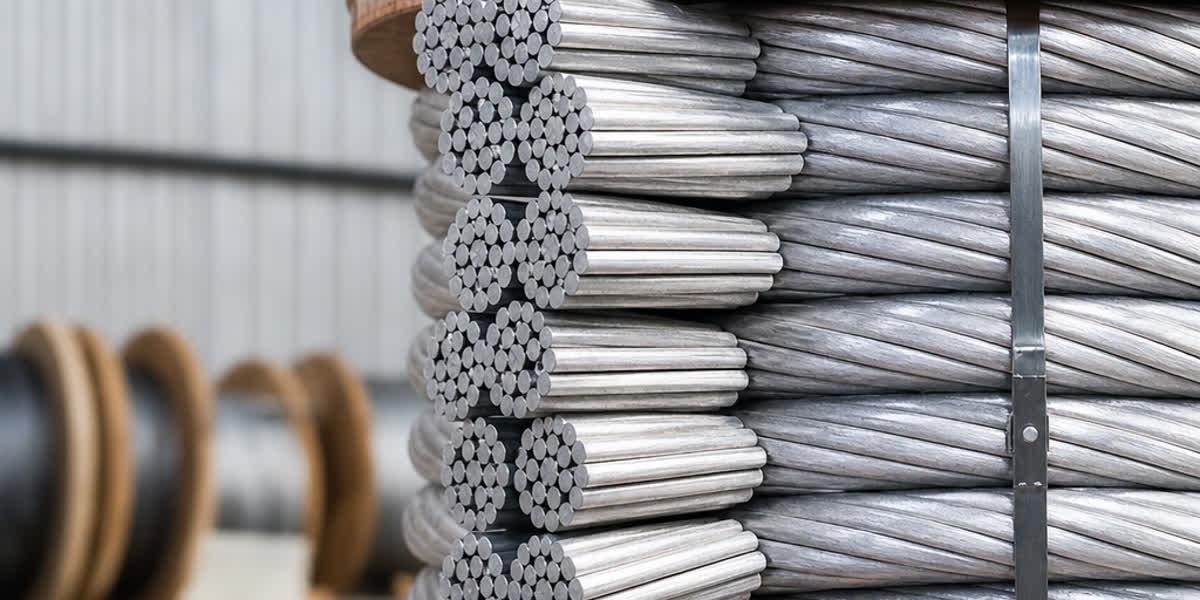
| ACSR (Conductor de Aluminio con Alma de Acero) | IEC 61089, ASTM B232, BS 215, DIN 48204 | Líneas de transmisión de alta y extra alta tensión | Cableado concéntrico con núcleo de acero galvanizado anticorrosión |
| AAC / AAAC (Todo Aluminio / Aleación de Aluminio) | IEC 61089, ASTM B231/B399, BS 3242 | Redes de distribución urbana y zonas costeras | Tratamiento térmico de aleación de alta conductividad |
| Cable ABC (Cable Preensamblado / Trenzado Aéreo) | IEC 60502, BS 7870, NF C 33-209 | Redes aéreas de baja tensión para electrificación | Aislamiento de polietileno reticulado (XLPE) resistente a rayos UV |
| Cables de Energía (BT / MT / AT) | IEC 60502-1/2, BS 5467, BS 6622 | Plantas industriales, redes subterráneas | Triple extrusión, pantalla de cobre y armadura de alambre de acero (SWA) |
| OPGW (Cable de Tierra Óptico) | IEC 61395, IEEE 1138 | Líneas de alta tensión con telecomunicaciones por fibra | Tubo de acero inoxidable hermético para fibras ópticas |
| Cables de Control e Instrumentación | IEC 60227, BS 5308, EN 50288 | Automatización industrial, sistemas SCADA | Blindaje general e individual con cinta de aluminio o malla de cobre |
Para proyectos de transmisión eléctrica, adquiera directamente de fabricantes de conductores ACSR y conductores AAC. Para instalaciones industriales y redes subterráneas, solicite cables de energía y cables de control.
3. Cómo seleccionar y auditar fabricantes directos
3.1 Canales de Búsqueda
- Páginas Web Técnicas Directas: Fabricantes con catálogos detallados, fichas técnicas y certificados tipo descargables.
- Ferias Internacionales: Feria de Cantón (Guangzhou), Wire China (Shanghái) y Middle East Energy (Dubái).
- Plataformas B2B: Made-in-China y Alibaba (filtrando por fabricantes auditados in situ con licencia de exportación).
3.2 Lista de Verificación de Proveedores
| Aspecto | Qué Comprobar | Importancia |
|---|---|---|
| Licencia Comercial | Razón social, capital registrado y ámbito de actividad ("Fabricación y producción") | Descarta intermediarios comerciales que encarecen el producto un 10-15% |
| Historial Exportador | Declaraciones de exportación y conocimientos de embarque (B/L) | Confirma experiencia real en transporte internacional y aduanas |
| Laboratorio Propio | Puente de resistencia eléctrica en CC, máquina de tracción, sala de alta tensión | Asegura ensayos de rutina en cada bobina producida |
| Auditoría de Fábrica | Videollamada en directo por las naves o auditoría presencial (SGS / Bureau Veritas) | Verifica la capacidad productiva instalada |
🏭 ¿Necesita una Cotización Directa de Fábrica?
SiTong Cable cuenta con una planta de producción de más de 100.000 m², certificaciones ISO 9001/14001/45001 y exportaciones activas a más de 60 países.
🔹 Ver Todos los Productos y Normas | 🔹 Contactar con el Equipo Técnico y Comercial
4. Homologaciones internacionales y normas técnicas
- Normas IEC: IEC 60502 (Cables de Potencia), IEC 61089 (Conductores Desnudos), IEC 60228 (Conductores). Reconocimiento estándar en Europa, América Latina, África y Asia.
- Normas ASTM / ICEA: ASTM B232 (ACSR), ICEA S-95-658 (Cables de Energía).
- Normas Británicas (BS): BS 5467 (Cables Armados SWA), BS 7870 (Cables ABC).
- Acreditación de Laboratorios: Exija que los informes de ensayos de tipo hayan sido emitidos por laboratorios acreditados por CNAS, ILAC-MRA, TUV, KEMA o SABS.
5. Cómo redactar una solicitud de presupuesto (RFQ) profesional
Para recibir ofertas precisas y comparables, su solicitud debe incluir:
- Material del Conductor y Composición: Ej. Aluminio duro EC1350, 54 hilos de aluminio (3,50 mm) + 7 hilos de acero (3,50 mm).
- Material de Aislamiento y Cubierta: XLPE, PVC tipo 9, libre de halógenos (LSZH), contenido de negro de humo UV (≥ 2%).
- Tensión Nominal: Ej. 0,6/1 kV (Baja Tensión), 8,7/15 kV o 18/30 kV (Media Tensión).
- Longitud y Tipo de Bobina: Longitud continua de 1.000 m, 2.000 m o 3.000 m en bobinas de madera tratada o madera-acero.
- Condición de Entrega (Incoterm): Especificando el puerto exacto (ej. FOB Puerto de Qingdao o CIF Puerto de Destino).
6. Muestreo, ensayos de laboratorio y aprobación previa
Antes de autorizar la producción masiva: 1. Pedido de Muestra: Solicite un tramo de 10 a 50 metros fabricado conforme a la ficha técnica acordada. 2. Ensayos Clave en Laboratorio: * Resistencia Eléctrica del Conductor: Medición en CC a 20 °C (no debe superar el límite fijado por IEC 60228). * Espesores Dimensionales: Medición del espesor mínimo de aislamiento y cubierta. * Tracción y Alargamiento: Pruebas mecánicas antes y después del envejecimiento térmico. 3. Custodia de Muestra Patrón: Guarde la muestra aprobada y firmada como patrón de referencia para la inspección final pre-embarque.
7. Métodos de pago seguros y control de riesgos financieros
| Modalidad de Pago | Riesgo Comprador | Riesgo Vendedor | Recomendación |
|---|---|---|---|
| Carta de Crédito Irrevocable a la Vista (L/C) | Muy Bajo | Bajo | Ideal para primeros pedidos superiores a USD $30.000 |
| Transferencia T/T (30% Anticipo + 70% contra B/L) | Moderado | Moderado | Práctica habitual del sector con fábricas establecidas |
| Transferencia T/T 100% Anticipada | Extremo | Nulo | Nunca aceptar para pedidos industriales de volumen |
| Garantía Comercial / Custodia (Trade Assurance) | Bajo | Bajo | Adecuado para pedidos pequeños de prueba (< $20.000) |
8. Incoterms, transporte marítimo y embalaje de bobinas
8.1 Comparativa de Incoterms
- FOB (Franco a Bordo - ej. Qingdao / Shanghái): El fabricante cubre el transporte nacional y el despacho aduanero de exportación. El comprador gestiona el flete marítimo y el seguro. (Recomendado).
- CIF (Coste, Seguro y Flete): El fabricante contrata y paga el flete marítimo y el seguro hasta el puerto de destino.
- DDP (Entregado con Derechos Pagados): El fabricante se encarga de la entrega en almacén con aranceles e impuestos incluidos.
8.2 Embalaje de Bobinas y Carga en Contenedor
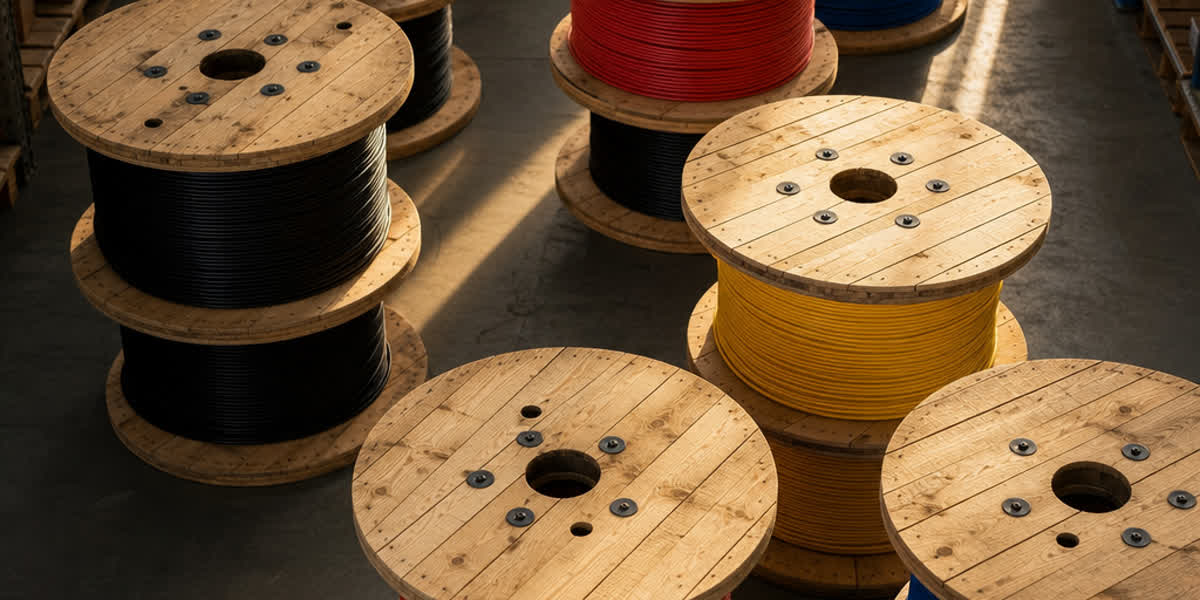
- Bobinas Homologadas: Madera maciza tratada térmicamente contra plagas según norma ISPM 15, o bobinas mixtas de acero-madera.
- Protección: Sellado de puntas con capuchones termorretráctiles estancos, envoltura plástica impermeable y protección perimetral con listones de madera maciza (lagging) sujetos con fleje de acero.
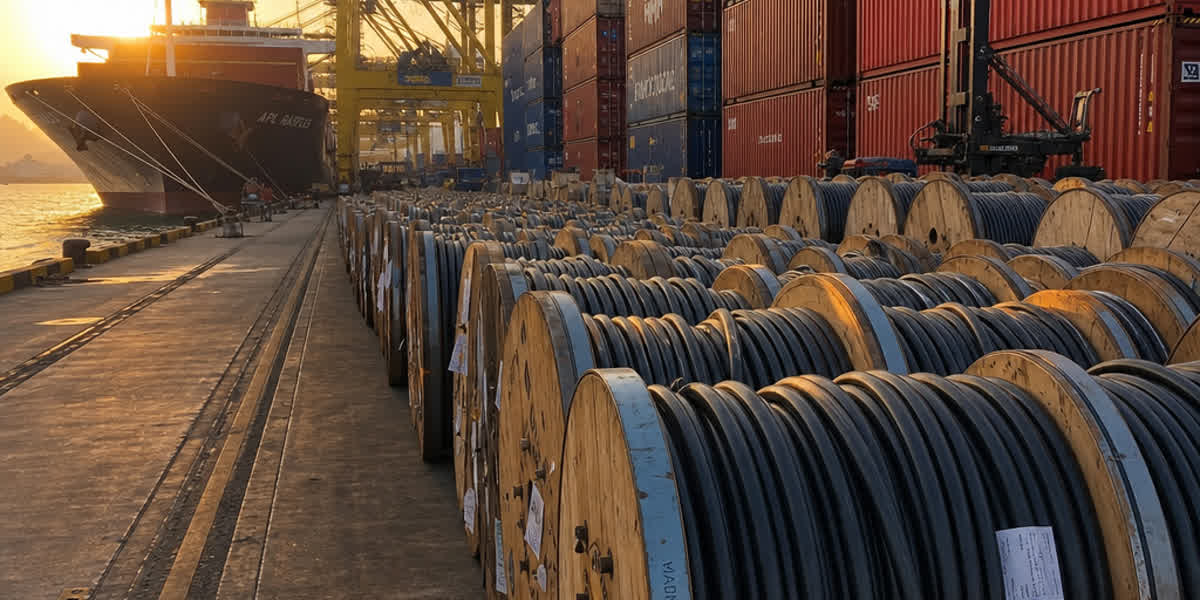
- Capacidad por Contenedor: Un contenedor de 20 pies (20'GP) admite aproximadamente entre 18 y 22 toneladas métricas de bobinas de cable.
9. Despacho aduanero, códigos arancelarios (HS) y documentación
Códigos Arancelarios (HS) Habituales
- HS 7614.10 / 7614.90: Cables, trenzas y conductores de aluminio sin aislamiento eléctrico (ACSR, AAC, AAAC).
- HS 8544.49: Conductores eléctricos aislados para tensiones ≤ 1.000 V (Cables ABC, BT, cables de edificación).
- HS 8544.60: Conductores eléctricos aislados para tensiones > 1.000 V (Cables de Media y Alta Tensión).
- HS 8544.70: Cables de fibra óptica (incluido OPGW).
Documentación Estándar de Importación
- Factura Comercial (Commercial Invoice): Detallando descripción, partida arancelaria, precios e Incoterm.
- Lista de Empaque (Packing List): Numeración de bobinas, pesos brutos/netos y metraje total.
- Conocimiento de Embarque (Bill of Lading - B/L).
- Certificado de Origen (COO / Formulario E / Form F / RCEP / CO) para beneficios arancelarios.
- Certificado de Calidad de Fábrica (MTC) e Informes de Ensayos de Tipo.
10. Control de calidad en fábrica e inspección pre-embarque
Se recomienda establecer un control en 4 fases:
[Control Materias Primas] ➔ [Control Continuo en Línea] ➔ [Ensayos Eléctricos de Rutina] ➔ [Inspección Pre-Embarque (PSI)]
- Ensayo de Chispa (Spark Test): 100% en continuo sobre el aislamiento para detectar micro-poros.
- Ensayo de Tensión Eléctrica: Prueba de rigidez dieléctrica en inmersión de agua durante 5 minutos en bobinas terminadas.
- Inspección Previa al Embarque (PSI): Contrate agencias independientes (SGS, Bureau Veritas, Intertek o CCIC) para realizar un muestreo aleatorio antes del precintado del contenedor.
11. 7 errores críticos que debe evitar al importar cables
- Seleccionar únicamente por el precio más bajo: Precios anormalmente bajos implican reducción de sección conductora o aislamiento reciclado.
- Definir normas técnicas de forma imprecisa: Indicar "según IEC" sin número de norma ni tabla da lugar a interpretaciones ambiguas.
- Ignorar las dimensiones de las bobinas: Olvidar verificar el diámetro exterior y el orificio del eje para los desenrolladores de obra.
- Omitir homologaciones obligatorias del país de destino: Como certificados de conformidad previa al embarque (ej. SONCAP en Nigeria o SASO en Arabia Saudí).
- Pagar el saldo final sin prueba documental de embarque: Mantenga el pago retenido hasta recibir copia del B/L oficial emitido.
- No medir la resistencia en corriente continua: Es el parámetro definitivo de la pureza del cobre o aluminio (según IEC 60228).
- No contratar seguro marítimo a todo riesgo: El cable es una carga pesada y de alto valor; asegúrelo siempre bajo cláusulas Institute Cargo Clauses (A).
FAQ
Q1: ¿Cuál es la cantidad mínima de pedido (MOQ) para importar cables de China? Para conductores aéreos estándar (ACSR, AAC, Cables ABC), el MOQ habitual de fábrica es de 1 a 3 toneladas métricas (1-2 bobinas). Para cables especiales o colores bajo pedido, el mínimo suele situarse entre 3.000 y 5.000 metros. También se admiten pedidos de prueba y muestras de homologación.
Q2: ¿Cuánto tarda la fabricación y el envío marítimo desde China? El plazo medio de fabricación para un contenedor completo es de 15 a 25 días laborables. El tiempo de tránsito marítimo varía según destino: 15-25 días (Oriente Medio / Sudeste Asiático), 25-35 días (Europa / Mediterráneo) y 30-45 días (América Latina / África / Norteamérica).
Q3: ¿Pueden los fabricantes chinos fabricar cables según normas ASTM, BS o IEC? Sí, con total normalidad. Los fabricantes exportadores de primer nivel producen diariamente conforme a normativas IEC, ASTM, BS, DIN, NF y AS/NZS. Solicite siempre los informes oficiales de ensayos de tipo de laboratorios acreditados para certificar el cumplimiento.
Q4: ¿Cómo comprobar si un proveedor es una fábrica real o una empresa comercial? Verifique la licencia comercial y confirme que el objeto social indique "fabricación y producción". Solicite una videollamada en directo por las naves de trefilado, cableado y extrusión, o encargue una auditoría in situ a SGS, Bureau Veritas o CCIC.
Q5: ¿Cuáles son las condiciones de pago más seguras para un primer pedido? Para primeros pedidos, las opciones más recomendadas son la Carta de Crédito Irrevocable a la Vista (L/C at Sight) o un anticipo del 30% por T/T con el 70% restante pagadero contra copia de los documentos de embarque (B/L, Factura, Packing List y Certificados de Ensayo).
Q6: ¿Qué documentos se necesitan para el despacho aduanero de cables? El expediente básico consta de: Factura Comercial, Lista de Empaque, Conocimiento de Embarque (B/L), Certificado de Origen (CO / Form E / Form F / RCEP), Certificado de Ensayos de Fábrica (MTC) e Informes de Tipo. Determinados países exigen además certificados de conformidad previa (ej. SASO, PVOC, SONCAP).
Q7: ¿Cómo se protegen las bobinas de cable durante travesías marítimas largas? Las bobinas de exportación se fabrican en madera maciza tratada térmicamente (norma ISPM 15) o acero-madera. Los extremos del cable se sellan con capuchones termorretráctiles impermeables, se envuelven con film plástico protector, se cubren perimetralmente con listones de madera maciza (lagging) y se sujetan con fleje de acero galvanizado.
Conclusión
La importación directa de cables eléctricos desde fábricas chinas ofrece un equilibrio óptimo entre ahorro de costes, agilidad de entrega y personalización técnica, siempre que se implante un riguroso proceso de homologación de proveedores, especificaciones técnicas claras y control de calidad exhaustivo.
Acerca de Zhengzhou SiTong Cable Co., Ltd.
Zhengzhou SiTong Cable Co., Ltd., fundada en 2002, cuenta con una planta moderna de más de 100.000 m² equipada con líneas automatizadas de fundición continua, trefilado de alta velocidad y extrusión de última generación. Suministramos soluciones integrales a compañías eléctricas, distribuidores y contratistas EPC en más de 60 países.
- Línea de Productos: Conductores ACSR, Conductores AAC, Conductores AAAC, Cables Preensamblados ABC, Cables de Energía BT/MT, Cables OPGW y Cables de Control.
- Certificaciones: ISO 9001, ISO 14001, ISO 45001, marcado CE e informes de ensayos de tipo emitidos por laboratorios acreditados por CNAS/ILAC.
🚀 Solicite Presupuesto Directo de Fábrica y Muestras de Ensayo
Contacte con nuestro equipo técnico y de exportación para recibir presupuestos personalizados y fichas técnicas:
📧 Correo de Exportación: sales@sitongcable.com
📞 Teléfono / WhatsApp: +86 156 1755 1896
🌐 Solicitud Online Directa: Formulario de Contacto y RFQ
📍 Dirección: No.1 Shengding Road, Entrepreneurship Park, Xinmi, Zhengzhou, Henan, China