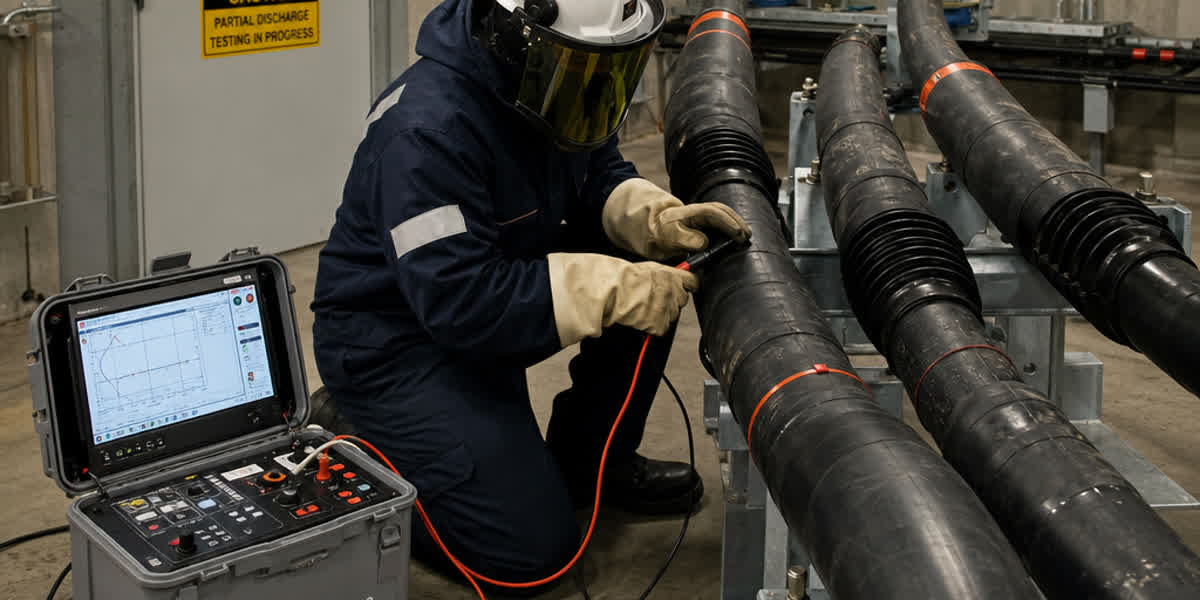
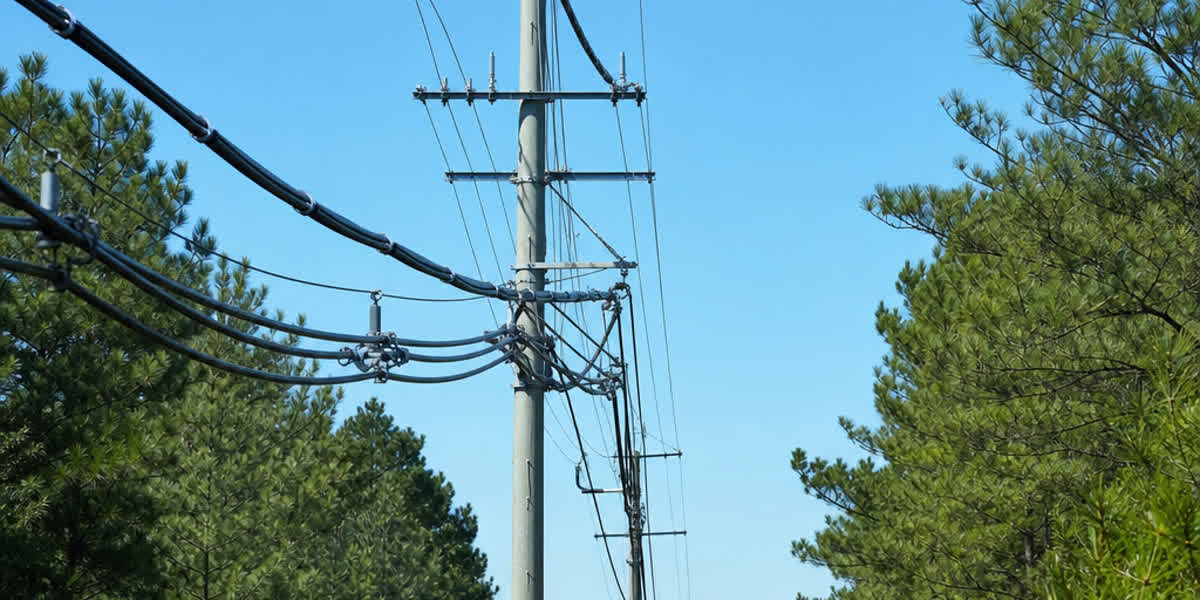
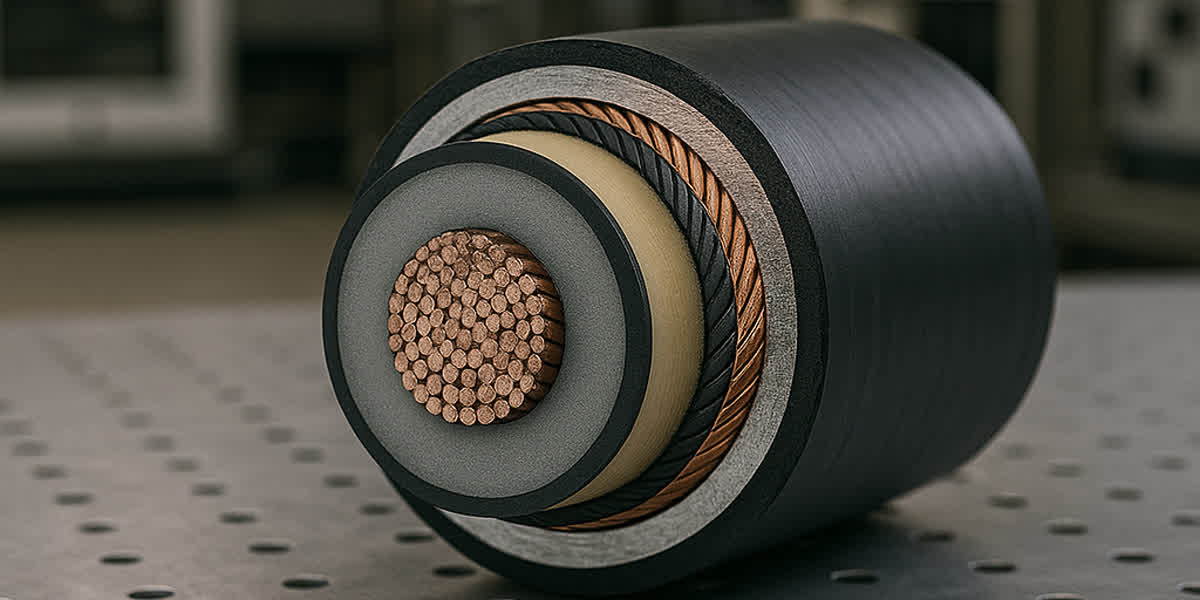
Instalación y Mantenimiento de OPGW: Guía Completa de Campo para Redes Eléctricas y de Comunicación
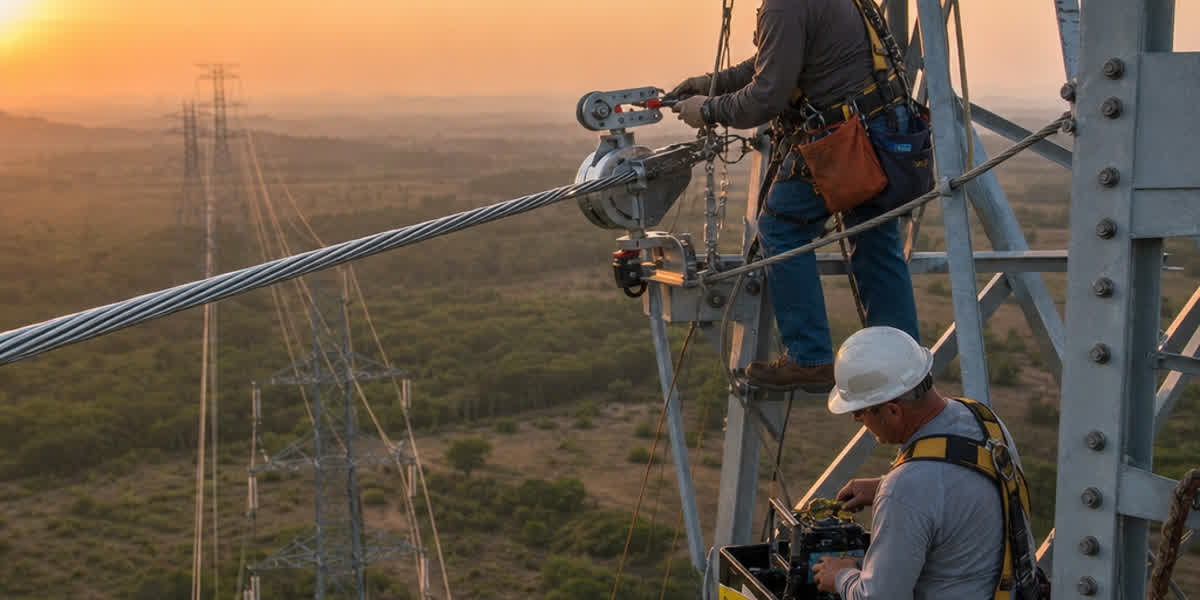
Instalación y Mantenimiento de OPGW: Guía Completa de Campo para Redes Eléctricas y de Comunicación
1. Introducción
El cable de guarda con fibra óptica (OPGW, por sus siglas en inglés) es un cable bifuncional que actúa simultáneamente como cable de guarda para protección contra rayos y como canal de comunicación de fibra óptica de alta capacidad en líneas de transmisión eléctrica. Su correcta instalación y mantenimiento son críticos, ya que el OPGW opera en el entorno más severo en la parte más alta de las torres de transmisión, expuesto a descargas atmosféricas, cargas de hielo, vibraciones inducidas por el viento y esfuerzos eléctricos.
Una instalación deficiente del OPGW puede provocar fallos catastróficos que afecten tanto al sistema de puesta a tierra como al enlace de comunicaciones simultáneamente. Esta guía está escrita para ingenieros de campo, jefes de proyecto, linieros y equipos de mantenimiento de empresas eléctricas que necesitan procedimientos de instalación prácticos basados en normas internacionales y estrategias de mantenimiento a largo plazo para OPGW en líneas de 33 kV a 765 kV.
Alcance: Esta guía cubre la planificación previa a la instalación, selección de herrajes, procedimientos de tendido, empalmes, pruebas posteriores a la instalación, mantenimiento rutinario y resolución de problemas. Hace referencia a las normas IEEE 1138, IEC 60794-4-10, CIGRE TB 308 y estándares nacionales de servicios públicos.
2. Preparación Previa a la Instalación
2.1 Recepción y Almacenamiento
| Elemento de Inspección | Criterio de Aceptación |
|---|---|
| Daño en el tambor | Sin bridas rotas, sin cabezales de tambor aplastados |
| Sello del extremo del cable | Intacto, sin entrada de humedad |
| Continuidad de la fibra | Traza OTDR confirma todas las fibras intactas (pérdida objetivo ≤0,05 dB/km) |
| Estado del revestimiento | Sin grietas, sin exposición UV >6 meses |
| Documentación | Certificado de prueba del fabricante, mapa de fibras, presupuesto de pérdida de empalme |
⚠️ Almacenamiento: Almacene los tambores de OPGW en suelo firme y nivelado. Los tambores deben estar cubiertos (los rayos UV degradan la cubierta del tubo suelto en meses). Nunca almacene los tambores de lado; el cable puede desplazarse y doblarse. Almacenamiento exterior máximo: 6 meses sin pruebas intermedias.
2.2 Equipos y Herramientas
| Categoría de Herramienta | Elementos Requeridos | Aplicación |
|---|---|---|
| Tendido | Grip de tracción giratoria (5 t mín.), línea de tiro (dyneema/acero), tensionador, tensionador de oruga | Tendido de OPGW sin rotación del cable |
| Empalme | Fusionadora monomodo (≤0,02 dB), cortadora, sistema LID, protectores termorretráctiles | Empalme de fibra en torre y puntos de unión |
| Pruebas | OTDR (1310/1550 nm), medidor de potencia, fuente de luz, localizador visual de fallos (VFL) | Verificación de fibra pre y post instalación |
| Puesta a tierra | Mordazas de puesta a tierra (tipo C, atornilladas), mordazas de bajada, pararrayos | Continuidad de puesta a tierra de la torre |
| Seguridad | Interruptores GFCI, guantes de goma (tensión inducida), sistemas anticaídas, señales de advertencia | Seguridad del personal |
2.3 Lista de Verificación del Plan de Instalación
Antes de movilizarse al sitio de la torre, confirme:
- [ ] Longitudes de sección de tendido calculadas (típicamente 2–4 km por sección; máximo 6 km para estructuras pesadas)
- [ ] Tensionador y equipo de tiro posicionados correctamente para tendido antirotación
- [ ] Herrajes de torre (grapas de suspensión, juegos de tensión, mordazas de bajada) preinstalados
- [ ] Ubicaciones de empalme identificadas (torres de unión intermedias o casetas de fibra)
- [ ] Número de fibras verificado contra documentos de diseño
- [ ] Pronóstico del tiempo aceptable (sin rayos en 10 km, viento < 40 km/h)
3. Cálculos de Ingeniería
3.1 Parámetros de Diseño
| Parámetro | Valor Típico | Notas |
|---|---|---|
| Tensión de diseño (EDS) | 15%–25% de RTS | Mayor para regiones de hielo, menor para vanos propensos a vibración |
| Tensión máxima de instalación | 33% de RTS (IEC 60826) | A +15°C, sin hielo, sin viento |
| Rango de temperatura | −40°C a +80°C (conductor); −20°C a +60°C (fibra) | Ventana de fibra: −10°C a +60°C (pérdida adicional ≤0,1 dB/km) |
| Límite de deformación de fibra | 0,25%–0,5% (tubo suelto trenzado) | Más allá: daño permanente a la fibra |
| Vano regulador | 300–500 m (típico líneas 66–220 kV) | Use distribución real de longitud de vanos para tablas de flecha |
3.2 Cálculo de Flecha-Tensión
Para OPGW, la relación flecha-tensión sigue las mismas ecuaciones de catenaria que los cables de guarda convencionales, pero con dos diferencias críticas:
- Límite de deformación de la fibra — La tensión de tendido nunca debe exceder el valor que produce 0,25% de deformación de la fibra en los tubos sueltos. Esto es típicamente 20–30% de la RTS.
- Fluencia — El OPGW tiene fluencia insignificante en comparación con ACSR (el trenzado acero/aluminio es térmicamente estable). Sin embargo, los tubos sueltos de fibra pueden comprimirse bajo tensión sostenida alta, alterando la trayectoria de la fibra y aumentando la atenuación.
💡 Regla práctica: Para la mayoría de los diseños de OPGW de 48 fibras, una tensión de tendido del 15–20% de la RTS proporciona un margen óptimo de flecha y deformación de fibra. En regiones de hielo, use 20–25% de la RTS para evitar galope.
3.3 Análisis de Vibraciones
| Tipo de Vibración | Rango de Frecuencia | Riesgo para OPGW | Mitigación |
|---|---|---|---|
| Vibración eólica | 3–150 Hz | Fatiga en grapas de suspensión | Amortiguadores helicoidales (AVD) o grapas con revestimiento de goma |
| Galope | 0,15–1 Hz | Inducido por hielo, alta amplitud | Separadores entre fases, OPGW antitorsión |
| Oscilación inducida por estela | 0,15–2 Hz | Solo conductores en haz | No aplica (OPGW es simple) |
Práctica estándar: Instale amortiguadores helicoidales a menos de 1 m de cada grapa de suspensión para vanos que excedan 300 m, o para cualquier vano en áreas propensas al viento (viento medio > 5 m/s).
4. Procedimiento de Instalación
4.1 Preparación
- Posicione el tensionador en un extremo de la sección de tendido. El tambor de OPGW debe alimentar al tensionador desde arriba con una contrapresión del 1–2% de la RTS.
- Tienda la línea de tiro a través de todos los rodillos (preinstalados en los brazos de la torre). Diámetro de la polea del rodillo: ≥ 20× el diámetro del OPGW (mínimo 500 mm).
- Conecte el grip de tracción giratoria al extremo del OPGW. Asegúrese de que gire libremente — esto es crítico para evitar la deformación de la fibra por acumulación de torsión.
- Ponga a tierra la línea de tiro en ambos extremos antes de conectar al OPGW.
⚠️ Seguridad: Los voltajes inducidos en líneas desenergizadas pueden exceder 15 kV desde circuitos energizados adyacentes. Conecte a tierra todo el equipo de tiro en ambos extremos antes de manipularlo.
4.2 Procedimiento de Tendido
| Paso | Acción | Requisitos |
|---|---|---|
| 1 | Inicie el tiro a velocidad constante (0,3–0,5 m/s) | No exceda el 33% de la RTS en la configuración del tensionador |
| 2 | Monitoree la tensión continuamente | Se recomienda registrador de datos |
| 3 | Mantenga la flecha objetivo usando tabla de tendido | Tolerancia de flecha ±2,5% |
| 4 | Detenga el tiro cuando se alcance el primer extremo muerto | Deje 3–5 m de cola en cada extremo para empalme |
| 5 | Instale grapas de suspensión permanentes | Asegúrese de que el revestimiento coincida con el diámetro del OPGW (±0,5 mm) |
| 6 | Instale varillas de armadura o amortiguadores helicoidales | Dentro de las 24 horas posteriores al tendido |
Tiro antirrotación: El OPGW debe tenderse con un grip de tracción no giratorio (con característica giratoria) porque cualquier rotación acumula torsión que puede deformar el núcleo de fibra. Nunca use un grip giratorio o tipo estrangulador en OPGW.
4.3 Instalación de Herrajes
| Componente | Aplicación | Normas |
|---|---|---|
| Grapa de suspensión | Torres en tangente (0°–3° ángulo de línea) | IEEE 1138, IEC 61284 |
| Conjunto de tensión/amarre | Torres de ángulo (≥3°), torres terminales | IEEE 1138, IEC 61284 |
| Mordaza de bajada | Transición de fibra en cuerpo de torre | IEEE 1138, IEC 61772 |
| Caja de empalme | Ubicación de empalme de fibra | IEC 60794-4-20, IP66 |
4.4 Procedimiento de Empalme de Fibra
- Asegure ambas colas de OPGW en la caja de empalme de la torre. Deje mínimo 15 m de cola de fibra enrollada en la caja.
- Pele el OPGW — retire las capas exteriores de alambres trenzados cuidadosamente con cortadores hidráulicos. No use amoladoras angulares — el calor daña los tubos de fibra.
- Identifique las fibras — use el mapa de códigos de color del proveedor. El OPGW típico de 48 fibras usa 4 tubos sueltos × 12 fibras cada uno (color estándar: azul, naranja, verde, marrón, pizarra, blanco).
- Corte y empalme cada fibra usando una fusionadora. Pérdida objetivo: ≤0,02 dB por empalme.
- Protectores termorretráctiles sobre cada empalme.
- Enrolle los empalmes en la bandeja — radio mínimo de curvatura 30 mm.
- Pruebe con OTDR en ambas direcciones. Registre la pérdida promedio bidireccional.
💡 Consejo: Un buen empalme de campo resulta en pérdida OTDR < 0,05 dB. Si ve > 0,1 dB o un evento reflectivo (> −50 dB de reflectancia), rehaga el empalme.
5. Pruebas Posteriores a la Instalación
| Prueba | Método | Criterio de Aceptación |
|---|---|---|
| Atenuación extremo a extremo | OTDR, 1310 nm y 1550 nm | ≤0,35 dB/km (1310 nm), ≤0,25 dB/km (1550 nm) |
| Verificación de pérdida de empalme | OTDR bidireccional | Promedio ≤0,05 dB por empalme, máximo ≤0,10 dB |
| Reflectancia | Evento OTDR de reflectancia | ≤ −65 dB (monomodo) |
| Continuidad de puesta a tierra | Microóhmetro (resistencia DC) | ≤10 mΩ entre torre y mordaza OPGW |
| Inspección visual | Dron o binoculares desde tierra | Sin torceduras, sin abrasión, sin varillas de armadura sueltas |
⚠️ Si alguna fibra individual excede 0,4 dB/km a 1550 nm, verifique si hay macrocurvaturas en las bandejas de empalme o fibra pellizcada en la caja de empalme.
6. Programa de Mantenimiento Rutinario
| Frecuencia | Actividad de Mantenimiento |
|---|---|
| Mensual | Inspección visual con dron/patrulla: verifique rotura de alambres, grapas sueltas, objetos extraños |
| Trimestral | Imágenes térmicas de grapas de tensión y cajas de empalme (puntos calientes indican conexiones flojas o corrosión) |
| Semestral | Prueba de tendencia OTDR: compare atenuación de fibra con línea base. Cualquier aumento > 0,05 dB/km requiere investigación |
| Anual | Medición de flecha en tres vanos de referencia. Compare con el as-built. Cambio > 5% indica fluencia o daño por hielo |
| Cada 5 años | Inspección completa de herrajes: reemplace mordazas de puesta a tierra con corrosión > 20% de pérdida de sección |
| Cada 10 años | Prueba destructiva aleatoria de 1 longitud de tambor de OPGW del bloque de inventario: prueba mecánica + óptica completa |
Protocolo de Imágenes Térmicas
- Equipo: Cámara IR con resolución ≥ 320 × 240, sensibilidad de temperatura ≤ 0,05°C
- Ventana de inspección: Clima despejado, viento < 3 m/s, ambiente 0°C–40°C
- Objetivos: Todas las grapas de tensión, conexiones de bajada, accesorios de caja de empalme
- Criterios de aceptación: ∆T < 10°C sobre temperatura ambiente para grapas; ∆T < 5°C para caja de empalme
7. Resolución de Problemas Comunes
| Problema | Causa Probable | Solución |
|---|---|---|
| Alta atenuación de fibra (>0,4 dB/km) en un tubo | Macrocurvatura en bandeja de empalme o fibra pellizcada en caja | Abra la caja, reinspeccione el enrutamiento, reenrolle con radio ≥30 mm |
| Pérdida de fibra transitoria durante cambio de temperatura | Deformación de fibra cerca del límite del tubo suelto; temperatura extrema | Si es permanente: retire con menor tensión (reducir a 15% RTS gana 0,1% de margen) |
| Alambre(s) roto(s) en grapa de suspensión | Fatiga por vibración eólica, sin amortiguadores instalados | Instale amortiguadores helicoidales; repare grapa o reemplace OPGW si >3 alambres adyacentes rotos |
| Alta pérdida de empalme (>0,1 dB) | Cortadora sucia, mala calibración del arco, tipo de fibra incompatible | Vuelva a cortar y empalmar con equipo limpio |
| Continuidad de tierra >10 mΩ | Mordaza de bajada corroída o conexión atornillada floja | Limpie superficies de contacto, reapriete según especificación, aplique grasa dieléctrica |
| Corrosión en adjunto de torre costera | Ataque de cloruro en accesorios de aluminio o acero inoxidable | Reemplace con accesorios grado marino (316 SS), aplique envoltura anticorrosión |
| Evento OTDR con alta reflectancia (>−50 dB) | Fibra agrietada en empalme; empalme mecánico en lugar de fusión | Re-empalme con fusión; verifique calidad del corte |
| Rotura de fibra en medio del vano | Rayo, disparo o impacto por desprendimiento de hielo | Localice con OTDR; instale empalme de reparación temporal; planee reemplazo de sección OPGW |
8. Consideraciones de Seguridad
| Peligro | Precaución |
|---|---|
| Tensión inducida en OPGW desenergizado | Conecte a tierra todo el equipo de tiro en ambos extremos. Use interruptores de puesta a tierra nominales. Trate como energizado. |
| Caída desde altura durante trabajo en torre | Amarre 100% con doble eslinga en torres >10 m. Viento < 40 km/h para trabajo en la cima. |
| Daño ocular por arco de fusionadora | Nunca mire directamente al arco. Use filtro de auto-oscurecimiento o pantalla LCD. |
| Peligro láser de OTDR/VFL | Clase 1M/3R: no mire al extremo de la fibra. Tape los conectores no utilizados. |
| Derrames de aceite/químicos de equipos hidráulicos | Contención secundaria bajo el tensionador. Limpie inmediatamente. |
| Proximidad de rayos | Cese trabajo en torre si hay rayos en 10 km. Espere 30 minutos después del último rayo. |
9. Preguntas Frecuentes (FAQ)
P1: ¿Cuál es la longitud máxima de tendido para OPGW? Las secciones de tendido estándar son de 2–4 km para OPGW de 48 fibras en torres de 220 kV. La longitud máxima de tendido es de 6 km con reposicionamiento intermedio del tensionador. Más allá, la fricción en los rodillos aumenta la tensión de tiro por encima del límite seguro.
P2: ¿Se puede instalar OPGW en una línea de transmisión energizada? No — la instalación de OPGW requiere que la línea esté desenergizada y puesta a tierra. La tensión inducida de circuitos adyacentes energizados aún puede exceder 15 kV. La instalación en línea viva (con herramientas de línea caliente) es posible en algunas jurisdicciones pero requiere capacitación y equipo especial.
P3: ¿Cómo detecto la degradación de la fibra OPGW antes de que falle? La prueba de tendencia OTDR (trimestral) es el estándar de oro. Un aumento gradual de atenuación de 0,01–0,02 dB/km por trimestre sugiere oscurecimiento por hidrógeno o microcurvatura. Realice una prueba de dispersión por modo de polarización (PMD) anualmente si el enlace transporta 10 Gbps o más.
P4: ¿Cuál es la vida útil típica de una instalación de OPGW? 30–40 años con mantenimiento adecuado. La fibra óptica en sí tiene una vida útil teórica que supera los 50 años. Los modos de falla típicamente implican corrosión de la capa metálica exterior, fatiga por vibración eólica o daño por rayo.
P5: ¿Con qué frecuencia deben inspeccionarse los empalmes de OPGW después de la puesta en servicio? Las cajas de empalme deben inspeccionarse visualmente durante el mantenimiento trimestral (verifique integridad del sello, entrada de humedad). Los empalmes en sí son pasivos y no requieren reinspección a menos que OTDR muestre nuevos eventos de alta pérdida en la ubicación del empalme.
P6: ¿Se pueden empalmar diferentes tipos de OPGW? Sí, si ambos tienen el mismo tipo de fibra (G.652D o G.655), diámetro de campo modal similar y el mismo número de fibras por tubo. Sin embargo, mezclar tipos de trenzado (tubo suelto central vs. tubo suelto trenzado) complica la acomodación en la caja de empalme. SIEMPRE verifique el presupuesto de pérdida de empalme con un OTDR bidireccional después de cualquier empalme de tipo mixto.
P7: ¿Cuál es el radio mínimo de curvatura para OPGW durante la instalación? Durante la instalación: 20× el diámetro del OPGW. Durante la operación (estática): 15× el diámetro del OPGW. En bandejas de empalme: ≥ 30 mm para fibras recubiertas individuales (o según especificación del fabricante).
P8: ¿La nieve o el hielo afectan el rendimiento óptico del OPGW? La carga de hielo aumenta el esfuerzo de tracción en el OPGW, lo que puede deformar las fibras. Para OPGW bien diseñado (margen de deformación de fibra ≥ 0,25%), una carga de hielo de 50 mm de espesor radial a −5°C aumentará la atenuación de la fibra en menos de 0,05 dB/km. Más allá de 80 mm de hielo, la deformación de la fibra puede exceder el límite de emergencia del 0,5%, con riesgo de daño permanente.
10. Referencias y Normas
| Norma | Descripción |
|---|---|
| IEEE 1138 | Norma para ensayos de OPGW para uso en líneas eléctricas de servicios públicos |
| IEC 60794-4-10 | Cables de fibra óptica — Parte 4-10: Especificación intermedia para OPGW |
| IEC 60794-4-20 | Cables de fibra óptica — Especificación intermedia para cables ópticos aéreos |
| IEC 60826 | Criterios de diseño de líneas de transmisión aéreas |
| IEC 61284 | Líneas aéreas — Requisitos y ensayos para herrajes |
| CIGRE TB 308 | Guía de instalación y mantenimiento de OPGW |
| CIGRE TB 425 | Gestión del ciclo de vida y evaluación del estado de OPGW |
| IEC 61772 | Cables de guarda ópticos — Cable de bajada y accesorios |
| IEC 61395 | Conductores eléctricos aéreos — Procedimientos de ensayo de fluencia |
| IEC 60652 | Ensayos de carga en estructuras de líneas aéreas |
| CISPR 18-2 | Características de interferencia radioeléctrica de líneas eléctricas aéreas |
| ISO/IEC 11801 | Cableado genérico para locales de clientes (límites de pérdida y reflectancia de empalme) |
11. Acerca de SiTong Cable
Desde 2010, SiTong Cable fabrica y suministra OPGW para empresas eléctricas y proyectos de energía renovable en más de 50 países. Nuestros productos OPGW cumplen con IEEE 1138, IEC 60794-4-10 y normas nacionales de servicios públicos. Proporcionamos documentación técnica completa, presupuestos de pérdida de empalme, tablas de tendido y capacitación en sitio para cuadrillas de instalación.
👉 Explore nuestra gama de productos OPGW 👉 Contacte a nuestro equipo de ingeniería para soporte de instalación 👉 Lea más: Guía Técnica Completa de OPGW
Esta guía fue preparada por el equipo de ingeniería de SiTong Cable. Todos los datos técnicos hacen referencia a IEEE 1138, IEC 60794-4-10 y CIGRE TB 308. Para requisitos específicos de proyecto, contacte a sales@sitongcable.com o llame al +86-371-69176007.