THHN vs XHHW-2 vs THWN-2 Building Wire: Complete Comparison Guide — Ratings, Applications & Selection (UL 83, UL 44, NEC)
THHN vs XHHW-2 vs THWN-2 Building Wire: Complete Comparison Guide — Ratings, Applications & Selection (UL 83, UL 44, NEC)
Choosing the right building wire for a commercial, industrial, or residential project is one of the most consequential decisions an electrical contractor or design engineer makes. THHN, THWN-2, and XHHW-2 are the three most widely specified 600 V building wire types in North America, yet they are frequently treated as interchangeable — a mistake that can lead to premature insulation failure, rejected inspections, and costly rework. This guide breaks down the construction, temperature ratings, ampacity, code requirements, and application fit of each type so you can specify with confidence.
What Do the Letters Mean? Decoding THHN, THWN-2, and XHHW-2
NEC conductor type designations follow a standardized code that describes the insulation system. Understanding the letters is the first step to comparing the cables:
| Type | Letter code meaning | Insulation | Jacket |
|---|---|---|---|
| THHN | T = Thermoplastic, H = Heat-resistant (90°C dry), H = 2nd H = High heat, N = Nylon jacket | PVC (polyvinyl chloride) | Nylon outer jacket |
| THWN-2 | T = Thermoplastic, H = Heat-resistant, W = Water-resistant (wet rated), N = Nylon, 2 = 90°C dry and wet | PVC | Nylon outer jacket |
| XHHW-2 | X = Cross-linked (thermoset), H = Heat-resistant, H = High heat, W = Water-resistant, 2 = 90°C dry and wet | XLPE (cross-linked polyethylene) | None (integral jacket) |
The "2" suffix is the critical differentiator introduced in the 1999 NEC: it means the conductor is rated 90°C in both dry and wet locations. Older single-rated types (THWN, XHHW) are limited to 75°C in wet locations, which changes their allowable ampacity.
Key standard references: THHN and THWN-2 are covered by UL 83 (Thermoplastic-Insulated Wires and Cables), while XHHW-2 is covered by UL 44 (Thermoset-Insulated Wires and Cables). Both must also satisfy the requirements of NEC Article 310 and the National Electrical Code (NFPA 70) for installation.
Construction and Material Differences
THHN / THWN-2: PVC + Nylon
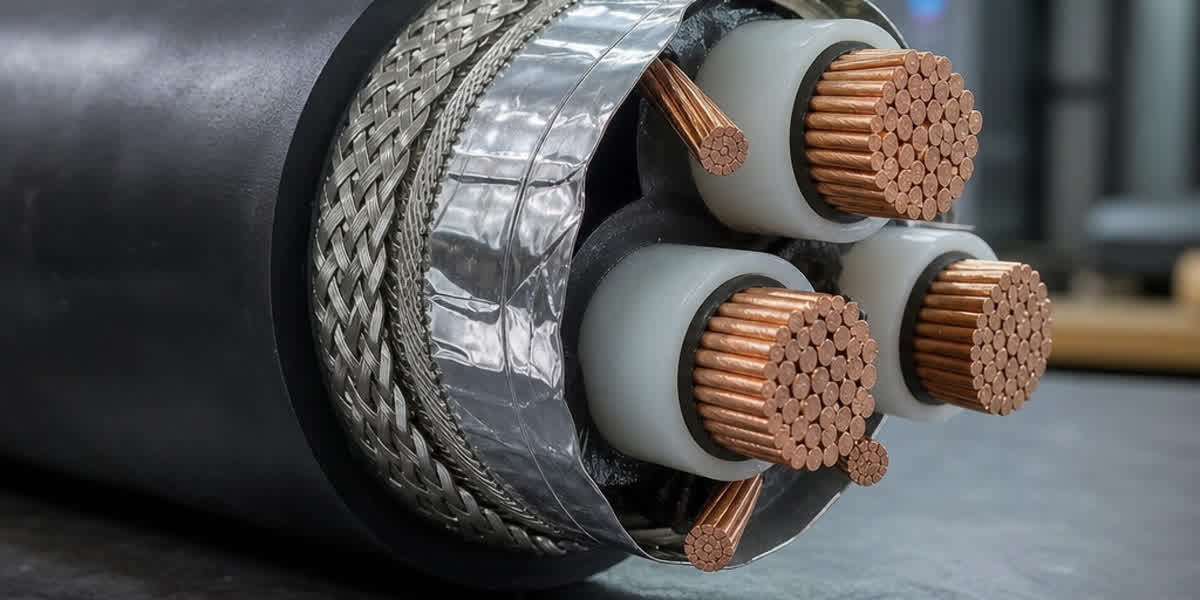
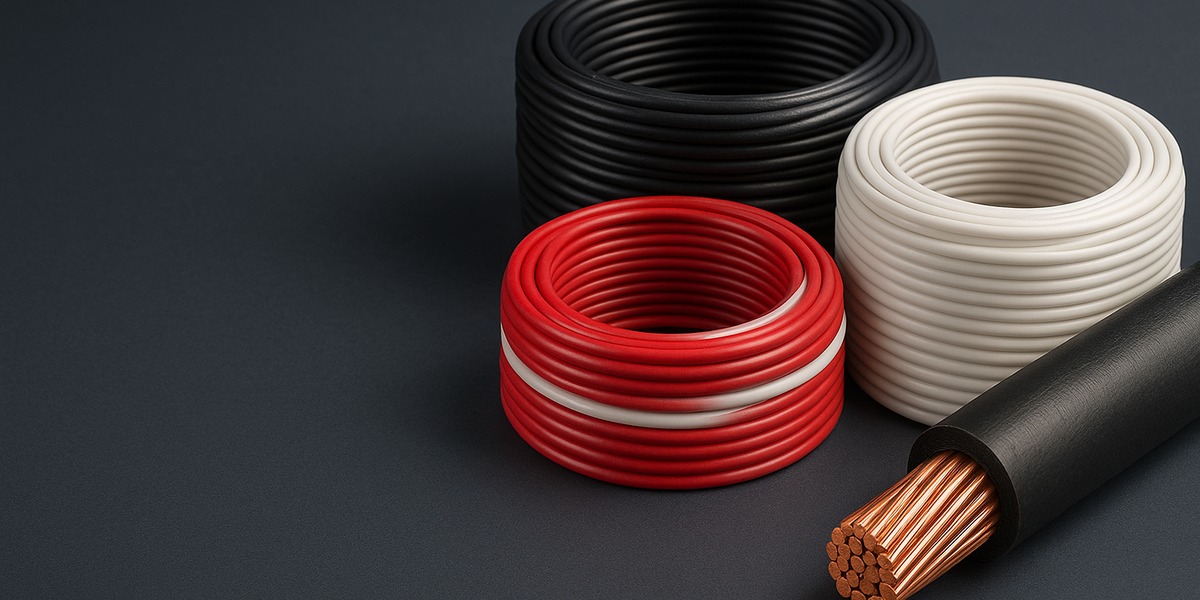
THHN uses a flame-retardant PVC insulation extruded over the conductor, with a thin nylon (polyamide) jacket on top. The nylon jacket provides mechanical protection, abrasion resistance, and chemical resistance, and it is what makes the wire easy to pull through conduit — the low coefficient of friction of nylon is a major installation advantage.
- Conductor: solid or stranded copper (ASTM B3 / B8), or aluminum (AA-8000 series per ASTM B800/B801 for building wire)
- Insulation: PVC, flame-retardant, 90°C rated
- Jacket: nylon, ~5–10 mils (0.13–0.25 mm) depending on size
- Sizes: 14 AWG through 1000 kcmil (copper); aluminum versions are commonly specified from 6 AWG up
- Voltage rating: 600 V
XHHW-2: XLPE Thermoset
XHHW-2 uses cross-linked polyethylene (XLPE), a thermoset material. During manufacture, the polymer chains are cross-linked (typically by silane or electron-beam processes) to form a three-dimensional molecular network. Once cross-linked, XLPE cannot melt or soften at high temperature — this is the fundamental difference from thermoplastic PVC.
- Conductor: solid or stranded copper (ASTM B3/B8) or AA-8000 aluminum
- Insulation: XLPE, flame-retardant, sunlight- and moisture-resistant
- Jacket: XLPE serves as both insulation and jacket (single-layer construction)
- Sizes: 14 AWG through 1000 kcmil
- Voltage rating: 600 V
XLPE's thermoset nature gives XHHW-2 superior resistance to moisture, heat aging, and chemical attack compared with PVC. It also holds its 90°C rating in wet locations, which is why XHHW-2 is a favorite for wet, corrosive, and outdoor environments.
Temperature Ratings and Ampacity: The Numbers That Matter
The temperature rating of the conductor determines which column of the NEC ampacity table you may use. This is where most specification errors occur.
| Property | THHN | THWN-2 | XHHW-2 |
|---|---|---|---|
| Dry location rating | 90°C | 90°C | 90°C |
| Wet location rating | 75°C (as THWN) | 90°C | 90°C |
| Voltage rating | 600 V | 600 V | 600 V |
| Max conductor temp at terminals | 75°C (typical terminations) | 75°C (typical) | 75°C (typical) |
| Sunlight resistance | UL 83 listed | UL 83 listed | UL 44 listed |
The 90°C wet-rating advantage: In wet locations (raceways outdoors, underground conduit, damp environments), THWN-2 and XHHW-2 may use the 90°C column of NEC Table 310.16 for ampacity adjustment/derating purposes, while single-rated THWN and XHHW are limited to the 75°C column. Example — a 1/0 AWG copper conductor in a wet location: at 75°C the base ampacity is 150 A; at 90°C it is 170 A. Under heavy bundling or high ambient temperature, that extra 20 A of headroom can be the difference between upsizing the conductor or not.
Termination rule (NEC 110.14(C)): Regardless of the wire's 90°C rating, the ampacity must not exceed the temperature rating of the terminations and equipment — typically 60°C for equipment rated 100 A or less and 75°C for equipment rated over 100 A. The 90°C rating is used only for derating calculations. This is why a THHN run through conduit at 90°C ambient still cannot be loaded beyond the 75°C column value when connected to standard lugs.
For aluminum conductors, always use AA-8000 series alloy (per NEC 310.14 and ASTM B800), apply an antioxidant compound (e.g., Alnox) at terminations, and torque connections to manufacturer specifications — aluminum expands roughly 1.4× more than copper under thermal cycling, so proper termination technique is mandatory.
THHN vs XHHW-2: Side-by-Side Comparison
| Comparison point | THHN / THWN-2 | XHHW-2 |
|---|---|---|
| Insulation family | Thermoplastic (PVC + nylon) | Thermoset (XLPE) |
| Abrasion resistance | Good (nylon jacket) | Excellent |
| Moisture resistance | Good (wet-rated as THWN-2) | Excellent |
| Chemical / oil resistance | Good | Excellent |
| Pulling ease | Excellent (low-friction nylon) | Very good |
| Flexibility | Very good | Slightly stiffer (XLPE) |
| Cost per foot (typical) | Lower | ~5–15% higher |
| Common sizes | 14 AWG – 1000 kcmil | 14 AWG – 1000 kcmil |
| Applications | Conduit in dry/damp locations, commercial, residential | Wet locations, direct burial (with suitable listing), tray, industrial, outdoor |
When THHN/THWN-2 wins: It is cheaper, pulls more easily through long conduit runs, and is the default for most commercial branch circuits and feeders in dry or damp locations. Because most installations are in conduit, the nylon jacket's lubricity is a practical advantage.
When XHHW-2 wins: Wet, corrosive, or chemical-heavy environments; cable tray systems; direct burial (when marked); solar PV source circuits; and any application where a tougher, moisture-immune insulation is worth the price premium. XHHW-2 also has a larger allowable conductor temperature range and superior cold-weather handling.
Application Guide: Where Each Wire Belongs
Commercial and Residential Branch Circuits
THHN/THWN-2 in EMT, rigid conduit, or PVC conduit is the workhorse for receptacles, lighting, and HVAC circuits. For 120/240 V single-phase feeders, copper THHN/THWN-2 remains the most cost-effective choice at sizes up to ~4 AWG.
Industrial and Wet Locations
XHHW-2 is preferred in pulp and paper plants, chemical facilities, water treatment plants, and food processing — anywhere moisture, washdown, or corrosive atmospheres are present. Its thermoset insulation also handles higher overload conditions without melting.
Solar PV and Renewable Systems
PV source circuits and DC feeders frequently specify XHHW-2 for outdoor conduit runs and exposed tray installations because of its sunlight and moisture resistance. For exposed outdoor runs without conduit, a dedicated PV wire (UL 4703) is required — see our solar cable range for UL 4703 and IEC 62930 options.
Control and Instrumentation Panels
Inside control panels and MCCs, XHHW-2's smaller diameter (single-layer XLPE vs PVC+nylon) allows more conductors per wireway and better heat dissipation in crowded enclosures. For multi-pair instrumentation circuits with EMC requirements, consider our control cable range instead.
Aluminum Feeder Applications
For large feeders (250 kcmil and above), AA-8000 aluminum XHHW-2 is widely used to cut material cost by 30–50% versus copper. The larger conductor diameter must be verified against conduit fill (Chapter 9 tables) and lug sizes.
How to Select: A Practical Decision Framework
- Check the environment: Is the location wet, damp, dry, or corrosive? Wet → THWN-2 or XHHW-2 (90°C wet rating).
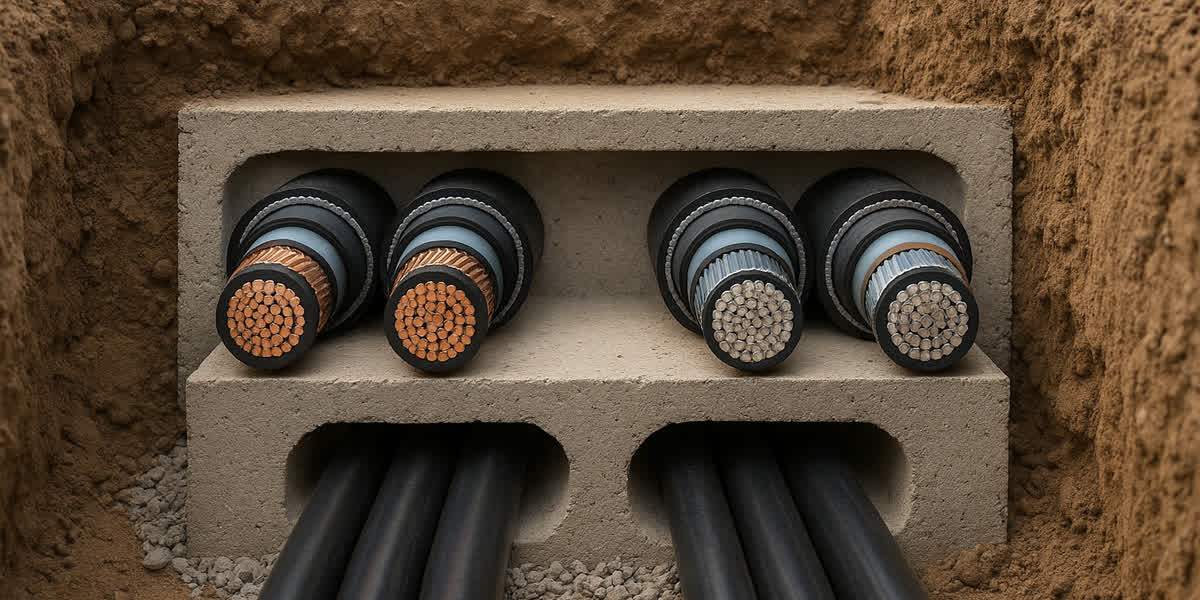
- Check the installation method: Conduit → either; cable tray → XHHW-2 preferred; direct burial → only types marked for it (or use USE-2/RHH/RHW-2).
- Check termination ratings: Match ampacity to termination temperature rating per NEC 110.14(C).
- Check the budget: THHN/THWN-2 for cost-sensitive dry runs; XHHW-2 where durability justifies the premium.
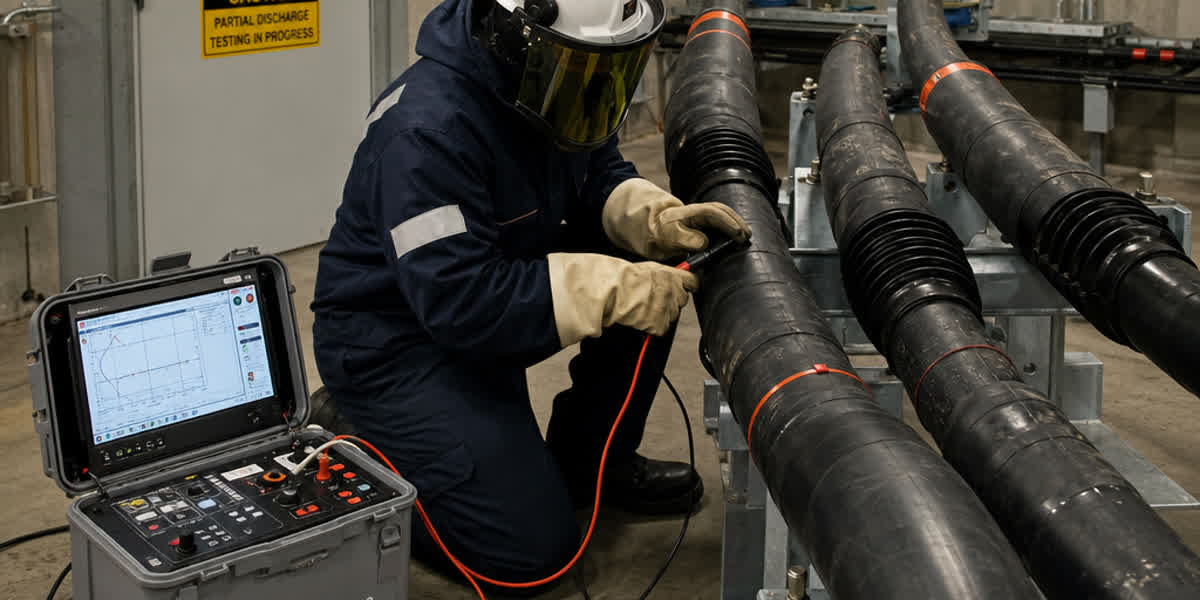
- Verify listings: Always confirm the UL listing (UL 83 vs UL 44) and any local amendments (e.g., NYC Electrical Code amendments that restrict certain types in plenums — use plenum-rated types per NEC 300.22).
FAQ
Is XHHW-2 the same as THHN? No. XHHW-2 uses cross-linked polyethylene (XLPE) insulation per UL 44 and is rated 90°C in both dry and wet locations. THHN uses PVC with a nylon jacket per UL 83 and is only rated 90°C dry (75°C wet unless dual-rated THWN-2). They have different constructions, different standards, and different performance profiles.
Can XHHW-2 be used in conduit? Yes. XHHW-2 is approved for use in conduit, duct, and raceway installations per NEC Article 310, and it is also suitable for cable tray and (when marked) direct burial and sunlight exposure. Its thermoset insulation handles wet and corrosive environments better than THHN.
What is the difference between THWN and THWN-2? THWN is rated 75°C in wet locations and 90°C in dry locations, while THWN-2 is rated 90°C in both dry and wet locations. The "-2" suffix means the conductor can be used at its full 90°C ampacity in wet environments, which matters for derating calculations in outdoor or underground conduit runs.
Is THHN rated for wet locations? THHN alone is not wet-rated. However, most dual-rated THHN/THWN-2 wire is marked with both types, and the THWN-2 rating permits use in wet locations at 90°C. Always check the conductor marking and the UL listing before installing in a wet location.
Is copper or aluminum XHHW-2 better? Copper offers higher conductivity, smaller diameters, and simpler terminations, making it the default for most circuits. AA-8000 aluminum XHHW-2 is roughly 30–50% cheaper per amp for large feeders and is perfectly code-compliant when terminated with proper lugs, antioxidant compound, and torque values per NEC 110.14.
Conclusion
THHN/THWN-2 and XHHW-2 are both excellent 600 V building wires, but they are not interchangeable in every installation. Match the wire to the environment: THHN/THWN-2 for cost-effective conduit runs in dry and damp locations, XHHW-2 for wet, corrosive, and high-reliability applications. Always verify the UL standard, the wet-location rating, and the termination temperature limits before you pull the wire.
SiTong Cable manufactures electric wire and building wire in copper and AA-8000 aluminum, including THHN/THWN-2 and XHHW-2 in a full range of sizes, with third-party test certificates and international shipping. Our engineers support projects from conductor selection through installation guidance. For a quotation, technical datasheets, or samples, contact our team today.