Types of Concentric Cables: Complete Product Line Guide
Types of Concentric Cables: Complete Product Line Guide
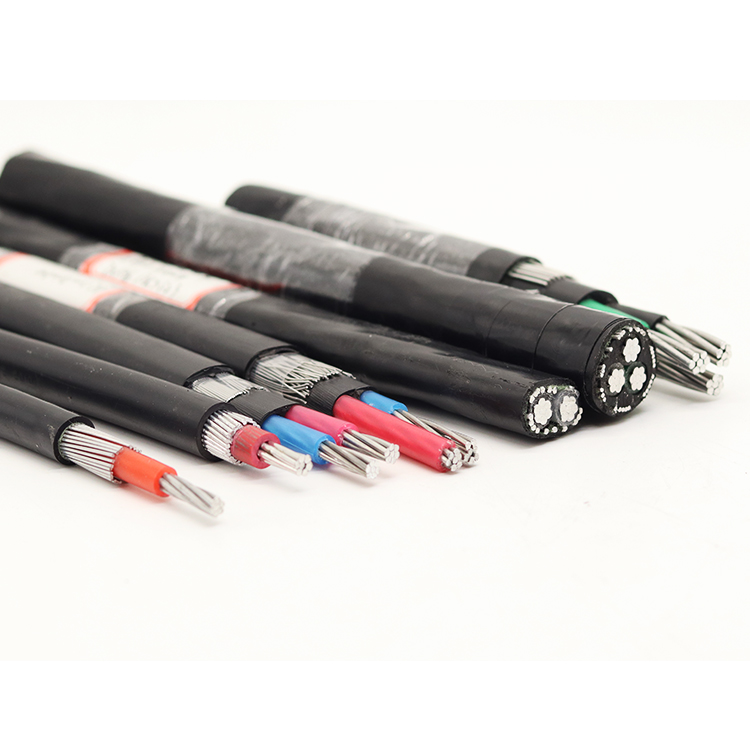
Concentric cables are power cables in which the neutral conductor is arranged as a concentric layer of wires around the insulated phase conductor, combining electrical performance with mechanical protection in a single round construction. SiTong Cable manufactures four main types: PVC-insulated single-phase concentric cables (copper and aluminum), 8000 series aluminum alloy concentric cables, communication-integrated concentric cables, and UV-XLPE insulated copper concentric cables. They are used for service entrances, meter panels, outdoor power distribution, and prepayment metering networks, and are manufactured to IEC 60502-1, BS 7870-3.20, KS 04-1022, and UL 854. This guide explains each product line, its key specifications, and how to select the right concentric cable for your project.
What Is a Concentric Cable?
A concentric cable is a specialized power cable where the neutral or return conductor is laid as a helical layer of wires concentrically around the insulated phase conductor, instead of running as a separate parallel core. This integrated design gives the cable a compact round profile, protects the phase conductor mechanically, and simplifies termination at meter panels and distribution boards. Because the neutral is built into the cable, installations need fewer separate conductors, which reduces labor on site. Concentric cables are widely used for low-voltage (0.6/1 kV) service connections, street lighting, and distribution networks, especially in markets where split-phase metering and theft-resistant supply are a priority.
Our concentric cable portfolio covers four main product lines, each engineered for a specific set of applications and markets.
1. PVC-Insulated Single-Phase Concentric Cables
The PVC-insulated single-phase concentric cable is the most common type for service entrances and meter connections. It is available in both copper and aluminum conductor series, so buyers can match material choice to budget and performance requirements.
| Series | Sizes | Voltage rating | Standards | Typical applications |
|---|---|---|---|---|
| Copper series | 10 mm², 16 mm², 25 mm² | 600/1000 V | KS 04-1022, IEC 60502-1 | Service entrances, meter panels |
| Aluminum series | 10 mm² to 35 mm² | 600/1000 V | UL 854 | Dry/wet locations, direct burial |
The copper series delivers lower resistance and higher ampacity per size, making it the preferred choice where voltage drop matters or where terminations need maximum reliability. The aluminum series offers a cost-effective alternative for longer runs, with compatibility for dry and wet locations and direct-burial installation where the project requires it.
2. 8000 Series Aluminum Alloy Concentric Cables
The 8000 series aluminum alloy concentric cable is designed for outdoor power distribution and infrastructure projects in harsh climates. The alloy conductor combines good conductivity with excellent corrosion resistance, while the UV-resistant XLPE insulation protects the cable during long-term exposure to sunlight.
| Property | Specification |
|---|---|
| Models | 2x4+4 AWG, 3x6+6 AWG, 2x10 mm², etc. |
| Conductor | 8000 series aluminum alloy |
| Insulation | UV-resistant XLPE |
| Operating temperature | -5 °C to 90 °C (130 °C emergency) |
| Key advantages | Corrosion-resistant, UV-resistant, lightweight |
| Applications | Outdoor power distribution, harsh-climate infrastructure |
The wide operating temperature range and UV-stable jacket make this line a dependable choice for exposed overhead-to-underground transitions and rural distribution networks where maintenance access is limited.
3. Communication-Integrated Concentric Cables
The communication-integrated concentric cable combines an aluminum power core with a 2-core copper communication line inside a single cable. It was developed for split prepayment metering systems, where the utility needs to deliver power and carry metering or control signals over the same route.
| Feature | Description |
|---|---|
| Construction | Aluminum power core + 2-core copper communication lines |
| Standards | BS 7870-3.20, KS 04-1022 |
| Purpose | KPLC split prepayment metering systems |
| Key benefit | Anti-electricity-theft solution, single-cable installation |
This design is widely used by utilities such as Kenya Power (KPLC) for prepayment metering networks, because it makes tampering difficult and reduces the number of cables that must be strung or buried. For utilities managing meter rollout programs, the communication-integrated concentric cable is a proven, field-tested option.
4. UV-XLPE Insulated Copper Concentric Cables
The UV-XLPE insulated copper concentric cable is built for high-demand power supply in industrial plants and commercial buildings. The flame-resistant jacket and UV-stable XLPE insulation give it strong performance in demanding environments, while the copper conductor keeps resistance low.
| Model | Max DC resistance (20 °C) | Ampacity | Applications |
|---|---|---|---|
| 3x4 AWG | 0.84 Ω/km | Up to 95 A | Industrial plants |
| 3x6 AWG | Higher than 3x4 AWG | Below 3x4 AWG | Commercial buildings |
| 3x10 AWG | Higher still | Lower still | High-demand power supply |
Larger AWG numbers mean smaller conductors, so within this line the 3x4 AWG model carries the highest load at the lowest resistance, while 3x6 AWG and 3x10 AWG offer lighter and more economical options for lower loads.
With flame-resistant jacketing and ampacity up to 95 A, this product line suits projects where fire safety and continuous high load are both requirements.
Copper vs. Aluminum: Which Conductor Should You Choose?
The choice between copper and aluminum is one of the most common questions when specifying concentric cables. The table below summarizes the trade-offs.
| Factor | Copper | Aluminum / Aluminum alloy |
|---|---|---|
| Conductivity | Higher | Lower, compensated by larger cross-section |
| Weight | Heavier | Lighter, easier to handle on site |
| Cost | Higher | Lower |
| Corrosion resistance | Excellent | Excellent with 8000 series alloy |
| Best for | Short runs, high loads, critical terminations | Long runs, budget-sensitive projects, outdoor distribution |
For a deeper selection framework covering CNE vs. SNE neutral designs, see our 4-step guide to choosing a concentric cable.
Standards & Compliance
All concentric cable product lines are manufactured and tested to recognized international and regional standards:
| Standard | Scope |
|---|---|
| IEC 60502-1 | Power cables with extruded insulation for rated voltages up to 1 kV |
| BS 7870-3.20 | LV concentric cables for electricity supply distribution |
| KS 04-1022 | Kenyan standard for service and distribution cables |
| UL 854 | Service-entrance cable requirements |
| ISO 9001 / SABS | Quality management and product certification |
Manufacturing & Quality Assurance
SiTong Cable's production base covers 23,000 m² with an 8,700 m² construction area and more than 100 advanced production and testing machines. Annual output reaches 3.5 million km of cable, consuming 20,000 tons of aluminum rod. A 120-person team, including 25 technical professionals, controls quality through 100% spark testing and ISO 9001-certified processes, with production strictly following IEC 60502-1, UL 854, and BS 7870 from drawing to packaging.
Global Project Cases
Long-term partnerships with world-renowned companies have delivered projects including:
- Kenya Power Prepayment Metering Network — communication-integrated concentric cables for split prepayment metering.
- Middle East Urban Power Distribution Project — 8000 series aluminum alloy concentric cables for outdoor distribution.
- European Industrial Park Power Supply — UV-XLPE copper concentric cables for high-demand industrial supply.
Frequently Asked Questions
Q: What is a concentric cable used for? A: Concentric cables deliver low-voltage (0.6/1 kV) power from the utility supply to service entrances, meter panels, street lighting, and distribution networks. The neutral conductor is arranged as a concentric layer around the phase conductor, which simplifies installation and improves mechanical protection.
Q: What is the difference between a concentric cable and a regular cable? A: In a regular cable the neutral is a separate parallel core; in a concentric cable the neutral is a helical layer of wires wrapped around the insulated phase conductor. The concentric design gives a compact round profile and reduces the number of separate conductors required on site.
Q: Should I choose copper or aluminum concentric cable? A: Choose copper for lower resistance, higher ampacity, and maximum termination reliability on short runs. Choose aluminum or 8000 series aluminum alloy for lighter weight, lower cost, and good corrosion resistance on longer outdoor runs.
Q: Can concentric cables be installed directly underground? A: The aluminum series of our PVC-insulated single-phase concentric cables is compatible with dry and wet locations and supports direct burial. Confirm the specific burial rating with our engineering team before specifying.
Q: What standards do SiTong concentric cables comply with? A: The product lines are manufactured to IEC 60502-1, BS 7870-3.20, KS 04-1022, and UL 854, with ISO 9001 quality management and SABS certification.
Q: What is a communication-integrated concentric cable? A: It combines an aluminum power core with a 2-core copper communication line in one cable, designed for split prepayment metering systems such as KPLC's network. It also serves as an anti-electricity-theft solution.
Q: What sizes and models are available? A: PVC-insulated single-phase cables come in copper 10/16/25 mm² and aluminum 10–35 mm²; 8000 series models include 2x4+4 AWG, 3x6+6 AWG, and 2x10 mm²; UV-XLPE copper models include 3x4 AWG, 3x6 AWG, and 3x10 AWG.
Q: Can you supply customized concentric cables? A: Yes. SiTong Cable provides customized solutions for industrial and commercial requirements, including tailored sizes, insulation, and communication-integrated designs. Contact our team with your specification.
Conclusion
SiTong Cable's concentric cable portfolio covers the four types buyers ask for most: PVC-insulated single-phase (copper and aluminum), 8000 series aluminum alloy, communication-integrated, and UV-XLPE insulated copper cables. Each line is manufactured to IEC 60502-1, BS 7870-3.20, KS 04-1022, and UL 854, with the factory capacity and quality systems to support utility-scale and project-scale orders. For installation guidance on low- and medium-voltage networks, see our concentric cable installation and maintenance field guide.
👉 Browse our Concentric Cable range 👉 Concentric Cable Installation & Maintenance Field Guide 👉 Contact our team
📬 Sales inquiries: sales@sitongcable.com | 📞 Phone: +86-371-69176007