2026 Global Power Cable Market: The Core Pillar of Green Energy Transition
2026 Global Power Cable Market: The Core Pillar of Green Energy Transition
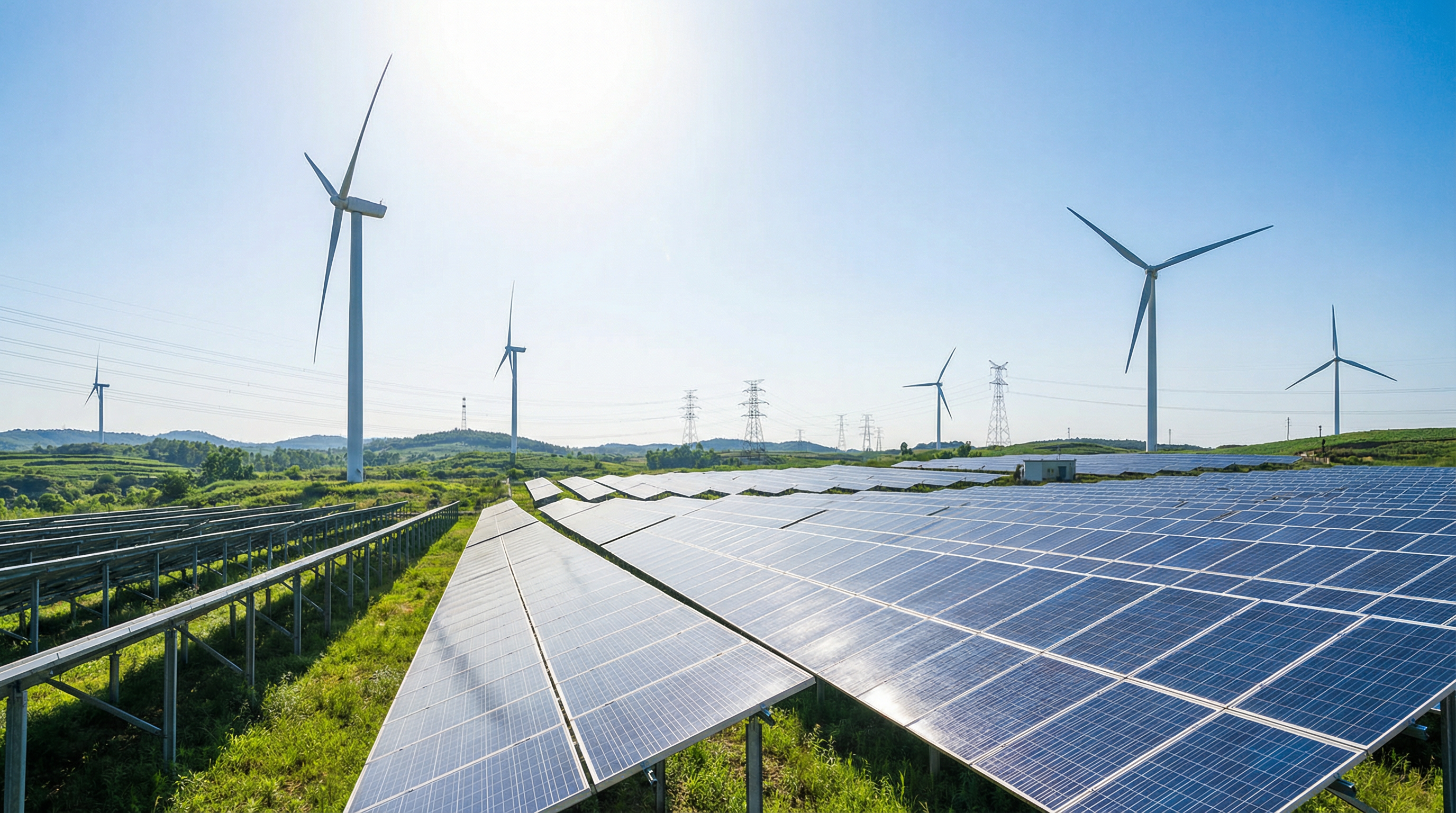
With the deep adjustment of the global energy structure, 2026 is regarded as a pivotal year for achieving "Net Zero" targets. Power cables, as the "arteries" of energy transmission, are undergoing a comprehensive transformation from traditional manufacturing to high-performance, intelligent, and green solutions.
According to Grand View Research, the global power cable market was valued at approximately $195 billion in 2024 and is projected to surpass $310 billion by 2030, registering a compound annual growth rate (CAGR) of 6.4% from 2025 to 2030. This article explores the key drivers, emerging technologies, and regional dynamics shaping this critical industry.
1. Market Drivers: Three Pillars of Growth
🌬️ Renewable Energy Integration
The global push toward decarbonization is fueling unprecedented demand for specialized power cables:
- Offshore Wind Farms: HVDC (High-Voltage Direct Current) submarine cables are essential for transmitting power from offshore wind installations to onshore grids. Europe alone plans to install over 120 GW of offshore wind capacity by 2030, requiring thousands of kilometers of submarine cable.
- Solar Photovoltaic Plants: Large-scale solar farms require extensive DC cabling, medium-voltage AC collection networks, and transmission interconnectors. The Solar Cable segment is growing at over 11% CAGR globally.
- Energy Storage Systems: Battery energy storage systems (BESS) demand flexible, high-temperature-rated cables for safe DC power transmission.
⚡ Grid Modernization & Urbanization
Global urbanization is expected to reach 59% by 2026 and 66% by 2050 (UN data). Aging grid infrastructure in developed nations and rapid electrification in emerging economies are driving steady demand:
- Undergrounding: Many municipalities are replacing overhead lines with underground cable networks for aesthetic, safety, and reliability reasons.
- Smart Grids: Intelligent power distribution systems require medium-voltage cables with embedded monitoring capabilities.
- Rural Electrification: Programs in Sub-Saharan Africa and Southeast Asia are expanding distribution networks using ABC (Aerial Bundled Cable) and Concentric Cable solutions.
🚗 Industrial Electrification & EV Infrastructure
The global electric vehicle fleet is projected to exceed 400 million vehicles by 2030 (IEA), driving massive investment in charging infrastructure:
- EV Charging Stations: Each fast-charging station requires high-power cable connections from the grid to charging units.
- Manufacturing Expansion: New battery gigafactories, semiconductor fabs, and green hydrogen plants require comprehensive power distribution cabling.
- Data Centers: The AI boom is driving 20%+ annual growth in data center power consumption, requiring reliable medium-voltage power feed cables.
2. Key Technologies: High-Performance Bare Conductors
In cross-regional long-distance transmission, Bare Conductors remain the optimal balance between cost and efficiency. The three most widely deployed types in 2026 are:
| Conductor Type | 2026 Tech Trends | Main Applications | SiTong Offering |
|---|---|---|---|
| ACSR (Aluminum Conductor Steel Reinforced) | Enhanced Zinc-Aluminum Alloy Coating for superior corrosion resistance | High-span, high-load transmission lines, river crossings | Available with custom stranding configurations |
| AAAC (All Aluminum Alloy Conductor) | High-strength 6201-T81 Aluminum Alloy with improved conductivity-to-weight ratio | Low-loss transmission, high-salinity coastal environments | Certified to IEC 61089 & BS EN 50182 |
| HTLS (High-Temperature Low-Sag), including ACSS | Carbon/Composite Core Technology enabling 150°C–210°C continuous operation | Capacity uprating of existing transmission corridors | Full technical guide available in our blog |
💡 Pro Tip: For transmission line capacity upgrades, HTLS conductors like ACSS can increase ampacity by 50–100% without replacing existing towers — a cost-effective alternative to new line construction. See our ACSS Complete Technical Guide for detailed specifications.
3. Regional Market Insights & Product Selection
Different regions present unique cable requirements based on climate, infrastructure maturity, and regulatory standards:
🌏 Southeast Asia
- Primary Demand: ABC (Aerial Bundled Cable) for urban distribution in monsoon-prone areas
- Key Requirements: Superior lightning protection, heat resistance (ambient temps 35°C+), and anti-rodent properties
- Growth Drivers: Indonesia, Vietnam, and Philippines accelerating grid expansion under ASEAN Power Grid initiative
🌎 Latin America
- Primary Demand: Armored power cables for mining and heavy industrial applications
- Key Requirements: Compliance with IEC 60502 standards, mechanical toughness for rugged terrains
- Growth Drivers: Mining sector electrification in Chile and Peru; industrial expansion in Brazil
🌍 Middle East & Africa
- Primary Demand: High-temperature and UV-resistant cables for overhead transmission in desert climates
- Key Requirements: Saudi Aramco and ADNOC specifications; zero-halogen, flame-retardant properties for oil & gas applications
- Growth Drivers: NEOM and other giga-projects in Saudi Arabia; renewable energy parks in UAE and Egypt
4. Frequently Asked Questions
Q1: What is the growth rate of the global power cable market in 2026? The global power cable market is growing at a CAGR of approximately 6.4%, driven by renewable energy integration, grid modernization, and industrial electrification. The market is projected to reach $310 billion by 2030.
Q2: Which type of overhead conductor is best for coastal environments? AAAC (All Aluminum Alloy Conductor) is the optimal choice for coastal and high-salinity environments due to its superior corrosion resistance. Unlike ACSR, AAAC contains no steel core that could corrode in salt-laden air.
Q3: How can I increase the capacity of existing transmission lines without building new towers? High-Temperature Low-Sag (HTLS) conductors such as ACSS can increase line capacity by 50–100% while using existing towers and infrastructure, significantly reducing capital expenditure and permitting timelines.
Q4: What international standards should power cables comply with? Major standards include IEC 60502 (power cables), IEC 61089 (bare conductors), BS EN 50182 (AAAC), ASTM B232/B232M (ACSR), and ICEA standards for North American projects. SiTong Cable products are certified to meet all major international standards.
Q5: Why is underground cabling becoming more popular despite higher initial costs? Underground cabling eliminates visual pollution, reduces weather-related outages (storm/wildfire), lowers maintenance costs over the asset lifetime, and increases land utilization value. Total cost of ownership (TCO) calculations often favor underground solutions for urban distribution networks.
Q6: What is the average lifespan of a modern power cable? Properly installed power cables typically last 30–50 years. ACSR overhead conductors can operate for 40+ years with proper galvanized steel maintenance, while XLPE-insulated underground cables often exceed 40 years of service life.
5. How SiTong Cable Supports the Energy Transition
As a professional manufacturer with decades of experience, SiTong Cable provides high-quality solutions meeting the latest technical standards:
- Comprehensive Product Range: Bare conductors (ACSR, AAAC, AAC, ACAR), underground cables, aerial bundled cables (ABC), OPGW, and specialized cables
- Global Compliance: All products certified to IEC, BS, ASTM, and international standards
- Custom Solutions: Tailored stranding configurations, coatings, and packaging for OEM and project-specific requirements
- Export Experience: Serving clients across Southeast Asia, Latin America, the Middle East, and Africa
Contact our team for a free consultation on your power cable requirements. We provide technical datasheets, samples, and project-specific recommendations within 24 hours.
Conclusion
The cable industry in 2026 is no longer just about physical connections — it is a bridge to a sustainable, electrified future. As the global energy transition accelerates, the demand for high-performance, reliable power cables will only intensify. Whether upgrading existing transmission corridors with HTLS conductors or building new distribution networks with ABC and underground cables, choosing the right cable technology is critical to project success.
At SiTong Cable, we are committed to being your trusted partner in this transition. Our team of cable engineers is ready to support your next project with technical expertise, quality products, and responsive service.
Author: Harvey — Cable Engineer, SiTong Cable Date: 2026-02-11 Browse all cable technical guides →
📌 Related Reading: ACSS Conductor Complete Technical Guide | Solar PV Cable Guide | ACAR Selection Guide