Bridging the Gap: A Comprehensive Guide to Duplex Service Drop Cables
In the world of electrical distribution, the connection between the main power line and your building is crucial. This is where the Duplex Service Drop Cable acts as a reliable and essential bridge. This article delves into what these cables are, their construction, and their versatile applications, providing a clear overview for industry professionals and the curious alike.
What is a Duplex Service Drop Cable?
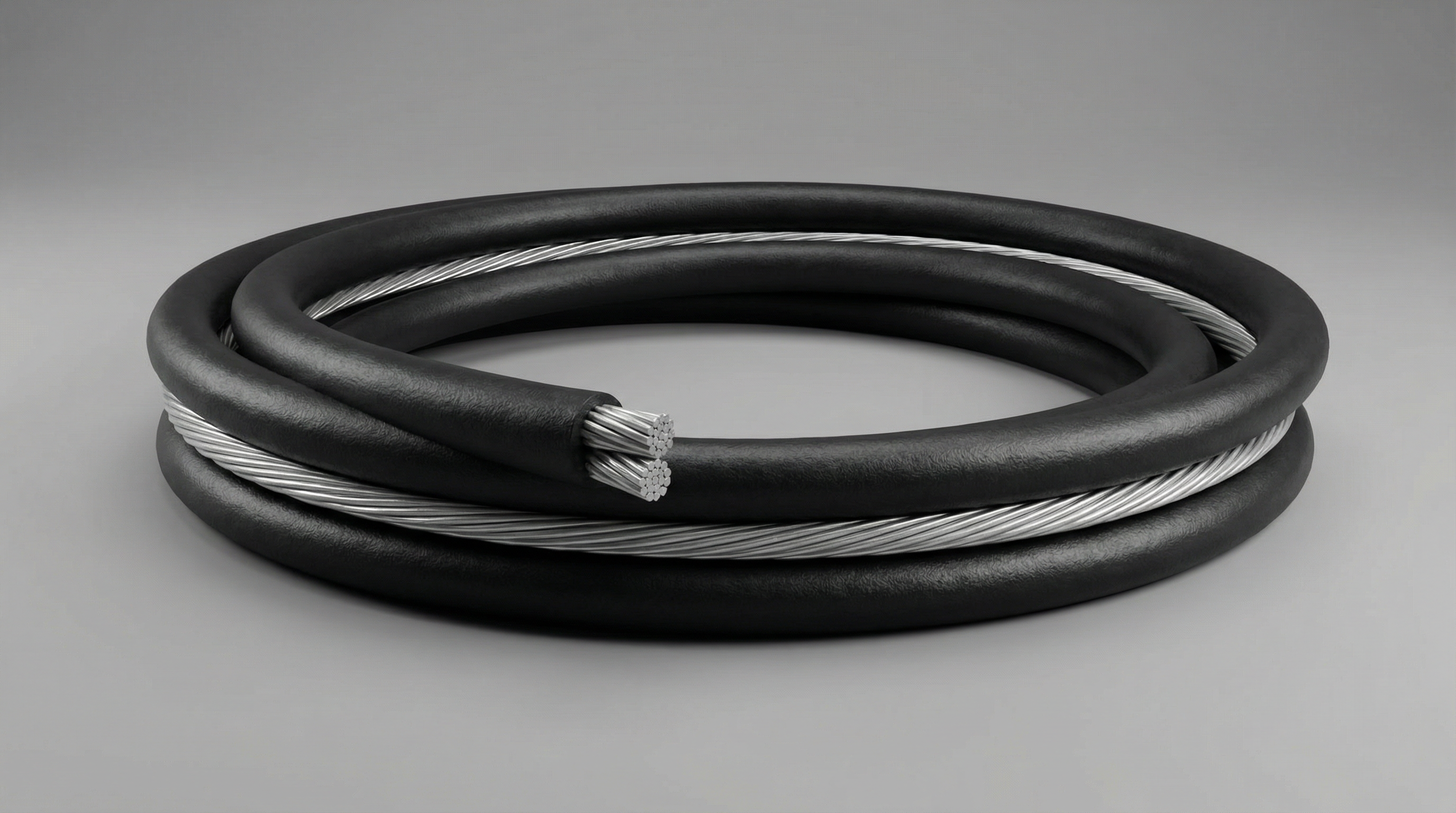
A Duplex Service Drop Cable is a type of aerial cable specifically designed for low-voltage power distribution. As the name suggests, it consists of two insulated conductors twisted around a bare supporting messenger wire. This design makes it robust, easy to install overhead, and ideal for bringing power from a utility pole to a building's service entrance.
Key Components & Construction: Building a Reliable Link
Understanding its construction highlights why it's a preferred choice for aerial service.
Conductor
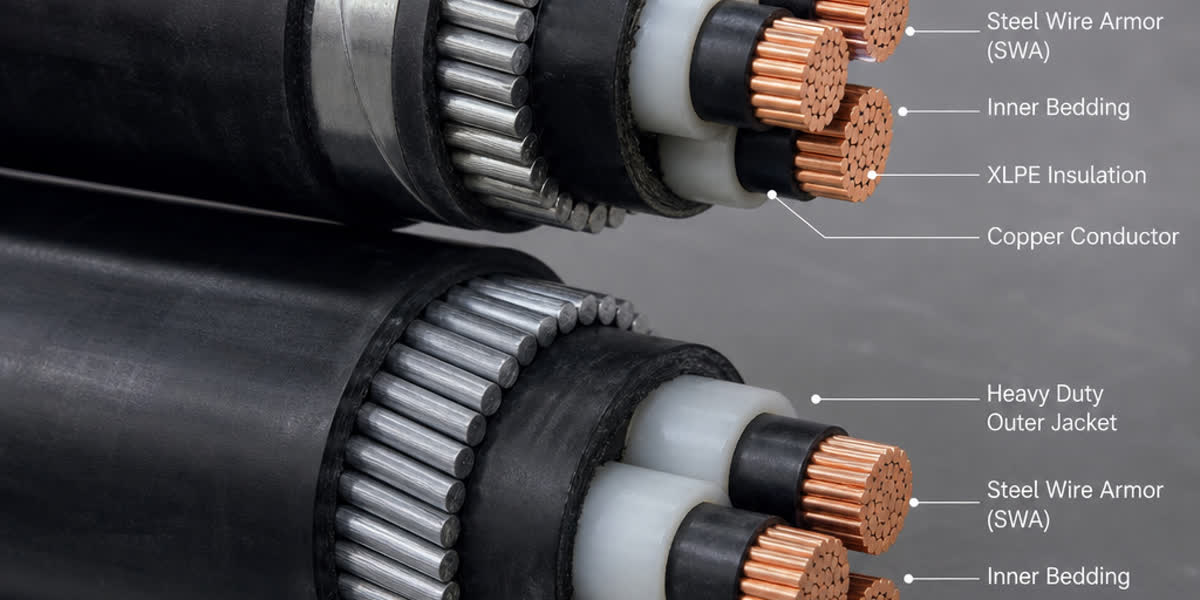
- Main Conductors: Typically made of concentric-lay-stranded 1350-H19 aluminum, known for its excellent conductivity and flexibility.
- Messenger Wire: The bare, central support strand can be Aluminum (AAC), Aluminum Conductor Steel Reinforced (ACSR), or Aluminum Alloy (AAAC), providing the necessary mechanical strength to span distances.
Insulation – The Protective Shield
The conductors are protected by a durable insulation layer. Two common types are used, each with distinct advantages:
| Insulation Type | Material Properties | Max Operating Temperature | Key Benefit |
|---|---|---|---|
| Polyethylene (PE) | Thermoplastic | 75°C | Good moisture resistance, cost-effective. |
| Cross-Linked Polyethylene (XLPE) | Thermoset | 90°C | Superior thermal, chemical, and environmental stress resistance. |
Primary Applications: Where is it Used?
The versatility of aerial service drop cables makes them suitable for several key applications:
- Service Drop: The most common use—running power from a utility pole to a residential or commercial service entrance.
- Secondary Distribution: Used as pole-to-pole secondary cable for extending local power networks.
- Temporary Site Power: Ideal for providing 120V or higher temporary service at construction sites.
- Street Lighting: Frequently employed in street lighting circuits due to its durability and ease of aerial installation.
Standards & Safety: Ensuring Reliability
Quality Duplex Service Drop Cable is manufactured to meet or exceed rigorous industry standards, ensuring safety and performance. Key governing specifications include:
| Standard | Scope |
|---|---|
| ANSI/ICEA S-76-474 | Standard for Neutral Supported Cables. |
| ASTM B-230, B-231, B-232 | Aluminum Conductors. |
| ASTM B-399 | Alloy Conductors. |
These standards certify the cable for use at 600 volts or lower, giving engineers and utility workers confidence in its specifications.
Installation & Best Practices
For optimal performance and safety, correct installation is paramount. Key considerations include:
- Always adhere to the National Electrical Code (NEC) and local utility regulations.
- Ensure proper clearance from buildings, ground, and other obstacles.
- The insulated conductors are typically rated for 600V, while the messenger provides mechanical support, not electrical conduction.
- The cable should be clearly marked with conductor size, voltage rating, and insulation type (e.g., 600 V - XLPE).
Summary: The Duplex Service Drop Cable is a fundamental component in overhead electrical distribution. Its robust design, choice of PE or XLPE insulation, and compliance with strict standards make it a dependable solution for delivering safe and efficient power from the grid to the point of use.
Contact SiTong Cable for specs and browse Duplex Service Drop products.