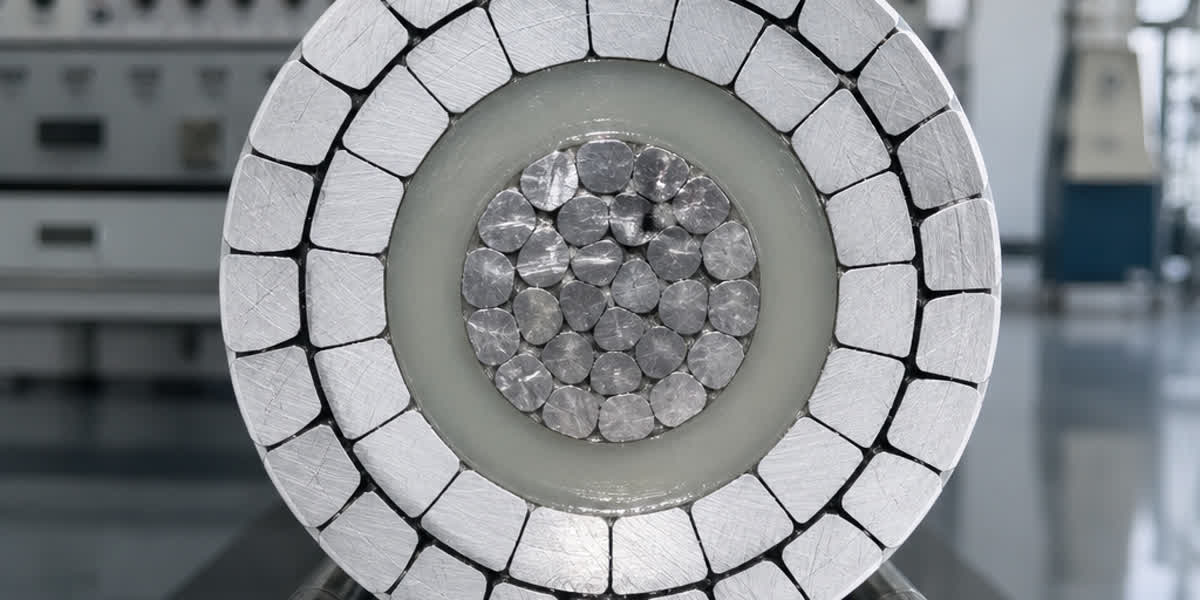
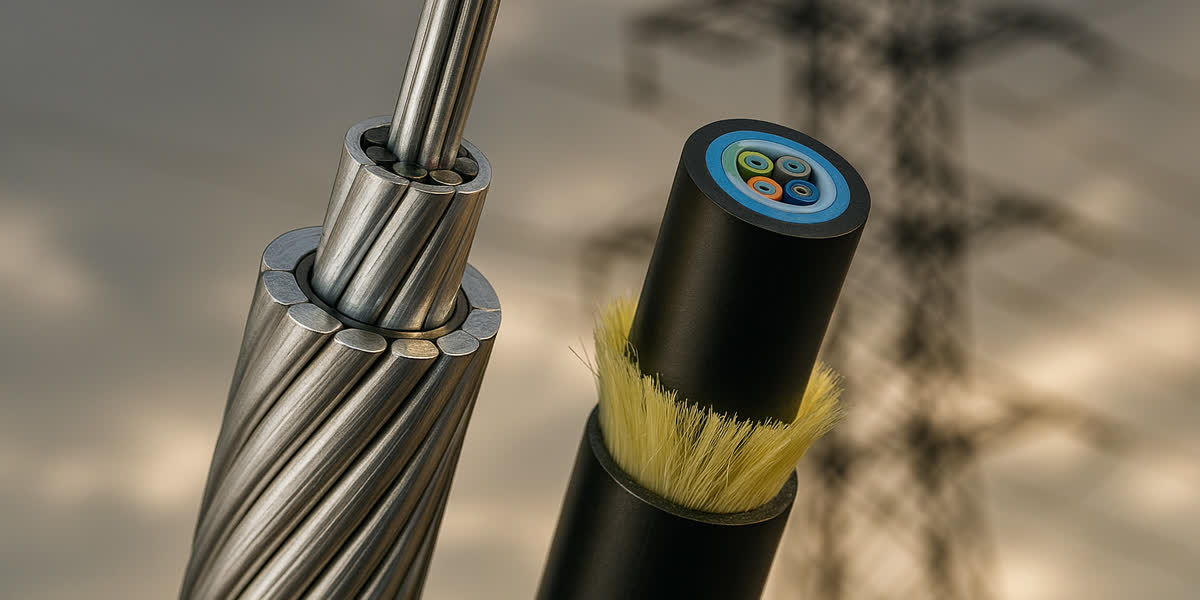
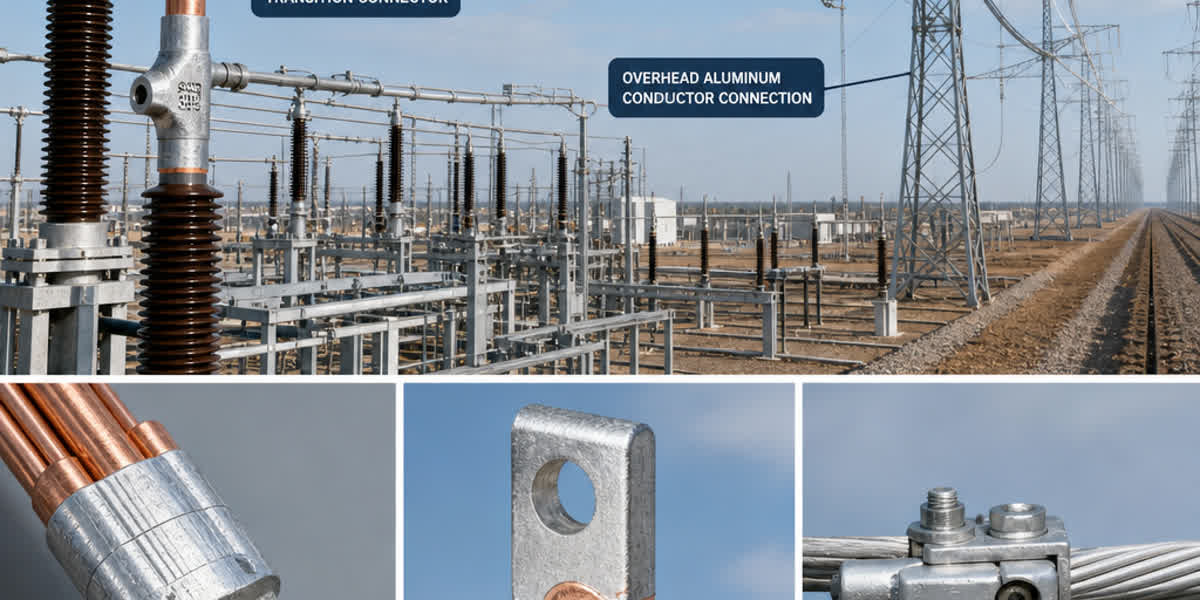
Control Cable: Comprehensive Selection Guide and Technical Specifications
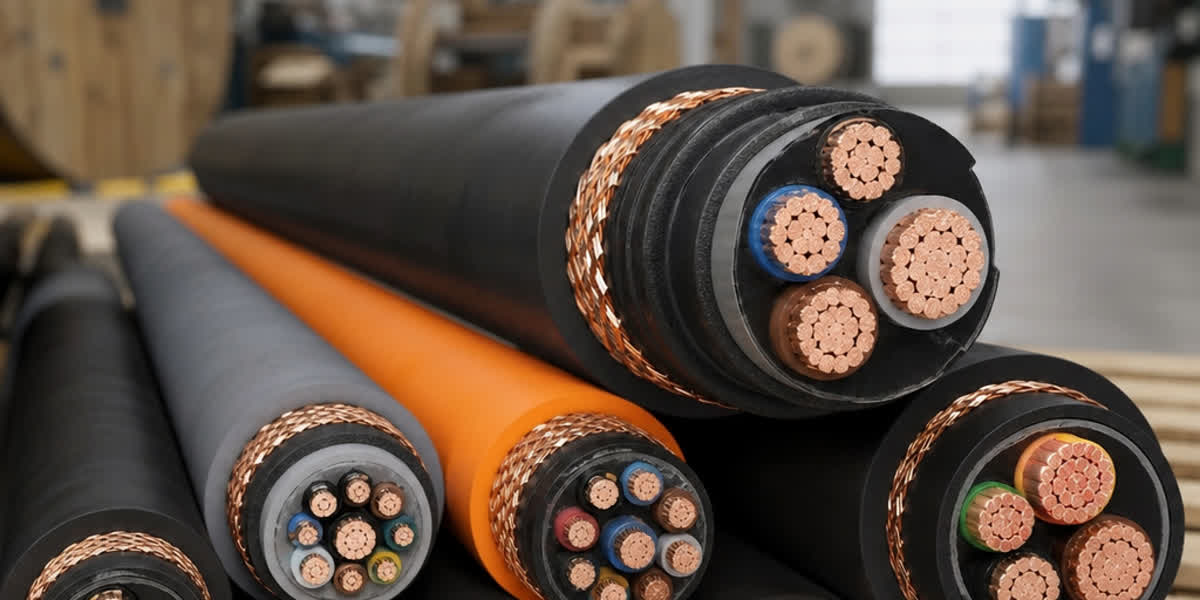
Control Cable: Comprehensive Selection Guide and Technical Specifications
Control cables are essential components in industrial automation, power systems, and building distribution networks, responsible for transmitting control signals, measurement data, and low-voltage power. This comprehensive guide covers control cable technical specifications, selection criteria, international standards, and application scenarios to help you make the best procurement decisions.
1. What is a Control Cable?
A control cable is a multi-core cable used in control systems and signal transmission, typically connecting control devices, instrumentation, relays, and switchgear. Unlike power cables, control cables primarily transmit low-voltage, low-current control signals rather than bulk power.
Key functions of control cables include: - Signal transmission: Carrying analog or digital control signals - Equipment control: Connecting control panels to field actuators - Data acquisition: Linking sensors to PLC/DCS systems - Low-voltage distribution: Powering control circuits
2. Control Cable Construction and Classification
2.1 Conductor Materials
| Conductor Type | Material | Application | Standard Reference |
|---|---|---|---|
| Copper conductor | Annealed bare copper | Most control cables | IEC 60228 Class 2/5 |
| Tinned copper conductor | Annealed copper + tin plating | Humid, corrosive environments | ASTM B33 |
| Aluminum conductor | Aluminum alloy or pure Al | Long-span, cost-sensitive needs | IEC 60228 Class 2 |
2.2 Insulation Materials
| Insulation Material | Temperature Range | Typical Application | Standard |
|---|---|---|---|
| PVC (Polyvinyl Chloride) | -40°C ~ +70°C | General industrial control | IEC 60502-1 |
| XLPE (Cross-linked Polyethylene) | -40°C ~ +90°C | High-temperature, power systems | IEC 60502-1 |
| PE (Polyethylene) | -40°C ~ +70°C | Communication control, high-frequency | BS 5308 |
| LSZH (Low Smoke Zero Halogen) | -40°C ~ +70°C | Metro, hospitals, data centers | IEC 60754, BS 8491 |
2.3 Shielding Types
| Shielding Type | Construction | Effectiveness | Application |
|---|---|---|---|
| Copper wire braid | Tinned copper braid | ★★★★★ | High EMI environments |
| Aluminum foil shield | AL foil + drain wire | ★★★☆☆ | General industrial |
| Copper tape shield | Copper tape wrap | ★★★★☆ | High-frequency interference |
| Composite shield | Foil + copper braid | ★★★★★★ | Precision instruments, medical |
3. Key Technical Parameters for Selection
3.1 Core Count and Cross-section
Control cables are available from 2 to 61 cores, with common configurations: 2C, 3C, 4C, 5C, 7C, 10C, 12C, 14C, 16C, 19C, 24C, 27C, 30C, 37C, 44C, 48C, 52C, 61C.
Standard conductor cross-sections (mm²): - 0.5mm², 0.75mm², 1.0mm², 1.5mm², 2.5mm², 4mm², 6mm², 10mm²
3.2 Rated Voltage
| Voltage Rating | Application |
|---|---|
| U₀/U = 300/500V | General industrial control |
| U₀/U = 450/750V | Power system control circuits |
| U₀/U = 0.6/1kV | Heavy industrial control |
3.3 Operating Temperature
| Grade | Max Conductor Temp | Suitable Insulation |
|---|---|---|
| Standard | 70°C | PVC |
| Heat-resistant | 90°C | XLPE |
| High-temperature | 110°C~125°C | Silicone rubber/EPR |
4. Control Cable Standard Comparison
| Standard | Scope | Key Requirements |
|---|---|---|
| IEC 60502-1 | Cables rated up to 1kV | Insulation thickness, electrical performance |
| BS 5308 | Instrumentation and control cables | Shielding performance, color coding |
| BS 6346 | PVC-insulated control cables | Mechanical properties |
| UL 1277 | North American control cables | Flame retardancy, weather resistance |
| EN 50288 | European instrumentation cables | Digital communication compatibility |
| GB/T 9330 | China standard (plastic insulated control cables) | Dimensions, electrical parameters |
5. Control Cable vs Power Cable: Key Differences
| Parameter | Control Cable | Power Cable |
|---|---|---|
| Rated voltage | 300/500V ~ 0.6/1kV | 0.6/1kV ~ 220kV+ |
| Core count | 2~61 cores | 1~5 cores |
| Conductor size | ≤10mm² | 1.5mm² ~ 2500mm² |
| Shielding requirement | High (signal integrity) | Low or none |
| Color coding | Black cores + numbers | Standard phase colors |
| Primary use | Signal transmission, control | Power transmission |
| Bending radius | Smaller | Larger |
6. Primary Application Scenarios
6.1 Industrial Automation
- PLC/DCS to field device connections
- Robot control signal transmission
- VFD to motor control circuits
6.2 Power Systems
- Substation control and protection circuits
- Switchgear secondary circuits
- Relay protection signal transmission
6.3 Building and Infrastructure
- HVAC control systems
- Fire alarm systems
- Building Automation Systems (BAS)
6.4 Renewable Energy
- Solar power plant monitoring systems
- Wind turbine control systems
- Battery Energy Storage Systems (BESS) signal transmission
7. Key Factors When Choosing Control Cables
- Environmental conditions: Temperature range, humidity, chemical exposure, UV radiation
- Electromagnetic interference: EMI/RFI sources along the cable routing path
- Installation method: Conduit, cable tray, direct burial, aerial
- Flame retardancy requirements: Standard FR, LSZH, fire-resistant
- Certification requirements: CE, UL, CCC, TUV for target market
- Mechanical strength: Tensile, compressive, and flexural performance
- Signal type: Analog signals (copper braid shield recommended), digital signals (composite shield recommended)
8. FAQ
Q1: What is the difference between control cable and instrumentation cable?
Instrumentation cable is a specialized type of control cable with enhanced shielding performance (individual pair shielding + overall shield). It is designed for transmitting low-level analog signals (4-20mA, thermocouple signals) and typically follows BS 5308 or EN 50288 standards.
Q2: How do I select the right shielding for control cables?
For general industrial environments, aluminum foil plus drain wire is sufficient. For areas with VFDs, large motors, or other strong interference sources, choose copper wire braid shielding. Precision signal transmission requires composite shielding (foil + copper braid).
Q3: Can control cable be used as power cable?
Not recommended. Control cables have small conductor cross-sections (typically ≤10mm²) and thinner insulation, making them unsuitable for carrying high current loads. Prolonged overload will cause insulation degradation, short circuits, or fire.
Q4: What is the maximum installation length for control cables?
Depends on signal type and conductor size. For 4-20mA analog signals, maximum length is typically 1000 meters. For digital signals (Profibus, Modbus), length depends on transmission rate, typically 200-1200 meters.
Q5: What is the color coding standard for control cables?
Under GB/T 9330 (China standard), control cable cores use black insulation with white number printing. In European markets, BS 5308 uses colored cores combined with number identification for dual marking.
Q6: Why is LSZH control cable important?
In fire conditions, PVC cables release dense smoke and toxic gases (HCl), severely hindering evacuation and firefighting. LSZH cables produce minimal smoke and contain no halogens, making them ideal for subways, hospitals, and data centers.
Q7: What is the minimum bending radius for control cables?
For fixed installation, the minimum bending radius should be at least 6 times the cable outer diameter. For moving/flexible installation, at least 8-10 times. Consult the product specification sheet for exact values.
Q8: How should control cable shields be terminated?
Shields should be grounded using shield clamps or grounding rings (single-ended grounding preferred). Avoid leaving shield strands loose, which can create antenna effects. Use appropriate stripping lengths and connect using crimp terminals or welding for minimum contact resistance.
9. Why Choose SiTong Cable?
As a professional control cable manufacturer, SiTong Cable offers a complete range of control cable products:
- ✅ Full standard coverage: IEC 60502-1, BS 5308, GB/T 9330, UL 1277
- ✅ Diverse shielding options: Copper braid, aluminum foil, composite shielding
- ✅ Flame retardancy grades: Standard FR, Class C/B/A, LSZH available
- ✅ Customization services: Custom core counts, cross-sections, color coding per request
- ✅ OEM/ODM capability: Annual capacity covering all control cable orders
- ✅ Export experience: Products exported to 50+ countries and regions
Browse our control cable product line for technical datasheets and pricing.
Need help selecting the right control cable? Contact us for expert technical support and a quotation.