Gap-Type Conductors (GTACSR & GZTACSR): High-Temperature Low-Sag Engineering, Knee-Point Mechanics & Transmission Capacity Doubling Guide
Gap-Type Conductors (GTACSR & GZTACSR): High-Temperature Low-Sag Engineering, Knee-Point Mechanics & Transmission Capacity Doubling Guide
High-Temperature Low-Sag (HTLS) Gap-type conductors, designated as GTACSR and GZTACSR, represent one of the most mechanically elegant solutions for doubling the power transmission capacity of existing high-voltage overhead lines without exceeding tower mechanical design loads or statutory ground clearance limits. As global electrical grids face surging demand driven by industrial electrification, data center expansions, and renewable energy integration, acquiring new transmission rights-of-way (ROW) has become prohibitively expensive, legally contentious, and time-consuming. Reconductoring existing overhead transmission corridors with Gap-type conductors allows utilities to achieve a 1.6× to 2.0× thermal capacity uprating within the exact same mechanical footprint, re-using existing towers, foundations, and crossarms.
Manufactured with high-precision engineered tolerances by Zhengzhou SiTong Cable Co., Ltd. (SiTong Cable), GTACSR (Gap-Type Thermal Aluminium Conductor Steel Reinforced) and GZTACSR (Gap-Type Super Thermal Aluminium Conductor Steel Reinforced) decouple the thermal expansion behavior of the electrical aluminum envelope from the mechanical tension of the steel core. This comprehensive technical guide details the structural physics, knee-point mechanics, comparative thermal performance, installation methodologies, and international engineering standards governing Gap-type HTLS overhead conductors.
Structural Anatomy and Materials Science of Gap-Type Conductors
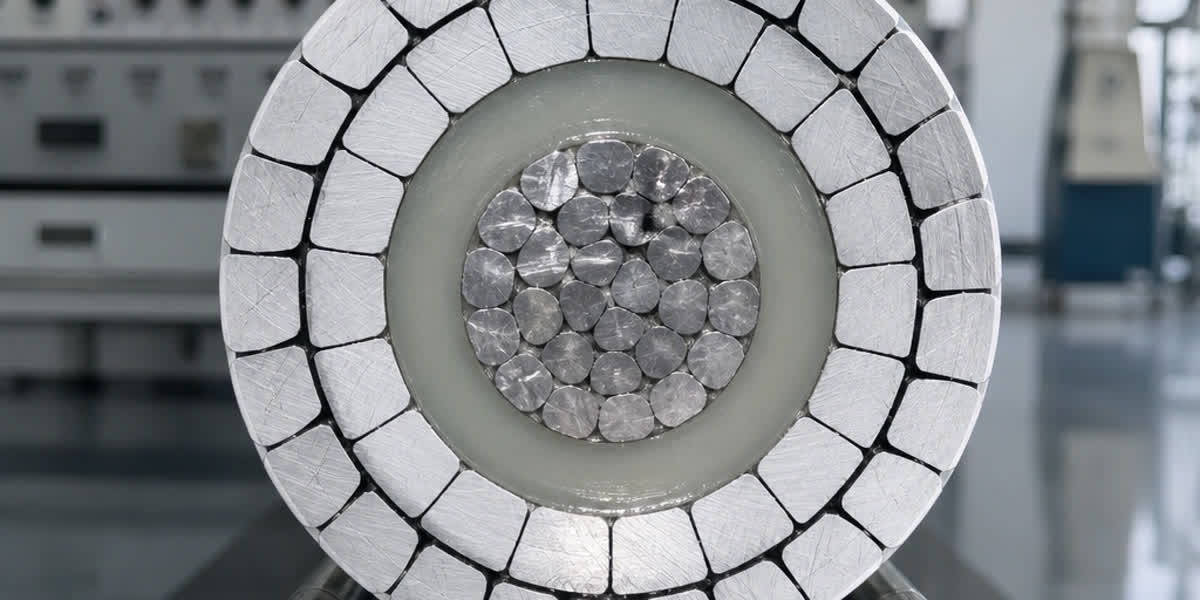
Conventional transmission conductors such as our standard ACSR conductor range utilize concentric round aluminum strands directly compacted or stranded over a galvanized steel core. In contrast, Gap-type conductors feature a distinct internal annular architecture engineered specifically to manage thermal expansion differentials.
The Annular Grease-Filled Gap
At the core of GTACSR and GZTACSR lies a precision-engineered annular gap measuring between 0.8 mm and 1.3 mm between the central steel core and the innermost layer of trapezoidal aluminum strands. This gap is filled during the stranding process with a high-temperature synthetic grease (typically formulated with synthetic hydrocarbon or fluorosilicone oils and inorganic thickeners) possessing: * A dropping point exceeding 250°C to prevent migration or liquefaction at elevated operating temperatures. * Exceptional anti-oxidation and corrosion-inhibiting properties to preserve the interface between dissimilar metals over a 40+ year design life. * High shear stability and lubricity, facilitating frictionless sliding between the aluminum envelope and the steel core during thermal cycling.
High-Strength Central Steel Core
The load-bearing backbone consists of high-strength galvanized steel wire core strands or aluminum-clad steel (ACS) wires compliant with IEC 60888 and ASTM B341. Because the entire conductor tension transfers to this steel core above the design knee-point temperature, SiTong Cable utilizes ultra-high-tensile steel grades (rated between 1470 MPa and 1770 MPa) to ensure generous safety margins under maximum ice and wind loading conditions.
Thermal-Resistant Aluminum Alloys: TAL vs. ZTAL
The current-carrying outer envelope is formed from interlocking trapezoidal (or Z-shaped) aluminum alloy strands compliant with IEC 62004: * TAL (Thermal-Resistant Aluminum Alloy): Alloyed with controlled additions of zirconium (Zr, typically 0.10% to 0.25%), TAL preserves mechanical tensile strength up to a continuous operating temperature of 150°C and an emergency short-term thermal limit of 180°C without annealing or recrystallization softening. * ZTAL (Super Thermal-Resistant Aluminum Alloy): Utilizing optimized zirconium precipitation-hardening metallurgy, ZTAL wires operate reliably at continuous temperatures of 210°C and short-circuit emergency overloads up to 240°C while retaining greater than 90% of their initial room-temperature tensile strength.
The trapezoidal profile provides a smooth, compact exterior with an aerodynamic fill factor exceeding 80%, reducing wind drag coefficients and mitigating corona discharge compared to traditional round-wire stranding.
The Knee-Point Phenomenon: Mechanics of Thermal Decoupling
The fundamental operational advantage of GTACSR and GZTACSR is their unique stress-strain behavior and the engineered "Knee-Point" (transition temperature, $T_{knee}$).
How the Knee-Point Works
In standard ACSR conductors, both the aluminum and steel layers share mechanical tension across all operating temperatures. Because aluminum expands thermally at approximately twice the rate of steel (coefficient of thermal expansion $\alpha_{Al} \approx 23.0 \times 10^{-6}/\text{°C}$ versus $\alpha_{Steel} \approx 11.5 \times 10^{-6}/\text{°C}$), heating a conventional conductor causes thermal elongation dominated by the aluminum, leading to rapid, excessive mid-span sag.
In Gap-type conductors, the conductor is pretensioned during installation such that at and above the stringing/installation temperature (the preset knee-point, typically engineered at 20°C to 40°C): 1. Mechanical Decoupling: The inner layer of trapezoidal aluminum does not exert radial or frictional gripping on the steel core due to the annular clearance and synthetic grease. 2. Stress Transfer: As electrical load heats the conductor above the knee-point temperature, the outer aluminum layer expands freely into longitudinal clearance without transferring compressive or pulling loads to the core. 3. Steel-Controlled Sag: All mechanical tension is carried exclusively by the central high-strength steel core. Consequently, above the knee-point, the conductor's effective coefficient of thermal expansion abruptly drops from the composite rate ($\approx 19.5 \times 10^{-6}/\text{°C}$) to the steel core's rate ($\approx 11.5 \times 10^{-6}/\text{°C}$).
This mechanical transition keeps sag growth extraordinarily linear and shallow, even as conductor temperatures climb to 150°C in GTACSR or 210°C in GZTACSR.
Tensile Load Sharing vs. Operating Temperature:
Temperature:  -10°C ------- 20°C (Knee-Point) ------- 150°C / 210°C (Max Continuous)
Steel Core:   [Shares Tension] --> [Carries 100% Tension] --> [Carries 100% Tension]
Al Envelope:  [Shares Tension] --> [Tension Drops to ~0%] --> [Expands Freely in Gap]
Effective CTE: ~19.5 × 10^-6/°C --> Drops abruptly to 11.5 × 10^-6/°C (Pure Steel CTE)
Technical Comparison: GTACSR / GZTACSR vs. ACSR, AAAC & Other HTLS Technologies
Transmission design engineers must balance electrical ampacity, tower mechanical structural capacity, thermal sag limits, and total capital expenditure. The table below compares Gap-type conductors against common alternatives, including conventional ACSR, high-strength AAAC conductors, and competitive HTLS designs like ACSS and STACIR/AW.
| Conductor Type | Core Material | Conductor Alloy | Max Continuous Temp (°C) | Current Capacity vs. ACSR | Thermal Elongation Above Knee-Point | Aeolian Self-Damping | Reconductoring Tower Reinforcement Needed? |
|---|---|---|---|---|---|---|---|
| ACSR (Standard) | High-Strength Steel | EC Grade Al (1350-H19) | 75°C - 85°C | 1.0× (Baseline) | Composite ($\approx 19.5 \times 10^{-6}/\text{°C}$) | Moderate | N/A (Original Baseline) |
| AAAC (Alloy) | Homogeneous | Al-Mg-Si (6201-T81) | 85°C - 90°C | 1.05× - 1.15× | Homogeneous ($23.0 \times 10^{-6}/\text{°C}$) | Moderate | Moderate (Sag clearance sensitive) |
| ACSS (Annealed) | High-Strength Steel | Fully Annealed Al (1350-O) | 200°C - 250°C | 1.6× - 2.0× | Low above knee-point | Low to Moderate | Often Requires Tower Checks (Higher Everyday Tension) |
| GTACSR (Gap-Type) | High-Strength Steel | Thermal Al (TAL) | 150°C | 1.6× | Low ($11.5 \times 10^{-6}/\text{°C}$) | High (Grease Cushion Effect) | Zero (Direct Replacement) |
| GZTACSR (Gap-Type) | High-Strength Steel / ACS | Super Thermal (ZTAL) | 210°C | 2.0× | Low ($11.5 \times 10^{-6}/\text{°C}$) | High (Grease Cushion Effect) | Zero (Direct Replacement) |
| STACIR/AW (Invar) | Fe-Ni Super Invar | Super Thermal (ZTAL) | 210°C | 2.0× | Ultra-Low ($3.0 \times 10^{-6}/\text{°C}$) | Moderate | Zero, but Premium Cost (3×-4× Capital) |
Key Engineering Advantages of Gap-Type Technology:
- Tower Load Neutrality: Because GTACSR and GZTACSR have the same diameter, weight, and initial stringing tension as the original ACSR, transverse wind loads and longitudinal tension loads on existing suspension and tension towers remain unchanged.
- Cost-Effective Raw Materials: Unlike STACIR/AW, which relies on scarce, expensive nickel-iron Invar alloys, Gap conductors utilize cost-effective galvanized steel or aluminum-clad steel cores, delivering similar HTLS performance at 30% to 45% lower conductor procurement costs.
- Superior Vibration Dissipation: The annular silicone grease layer acts as an internal hydraulic cushion. Relative displacement between the outer trapezoidal strands and the central steel core dissipates energy during aeolian vibration (10–50 Hz) and sub-span oscillations, significantly reducing conductor fatigue at suspension clamps compared to rigid conductors.
Engineering Selection Parameters: GTACSR vs. GZTACSR
Selecting between GTACSR (150°C) and GZTACSR (210°C) depends on system load profile, ambient climatic extremes, and terminal substation apparatus ratings.
Conductor Construction Specification (Example 240/40 mm² and 400/50 mm² Equivalents):

Model: GTACSR / GZTACSR 240/40 (Hawk Equivalent)
* Steel Core: 7 steel wires, diameter 2.68 mm, total core area 39.5 mm²
* Annular Gap: 1.0 mm nominal radial clearance (vacuum-grease injected)
* Outer Envelope: 2 layers of trapezoidal TAL/ZTAL wires, area 242.4 mm²
* Overall Conductor Diameter: 21.8 mm
* DC Resistance at 20°C: 0.1188 Ω/km
* Rated Breaking Strength (RTS): ≥ 86.5 kN
* Current Rating (Tamb=40°C, Wind=0.5m/s, Sun=1000W/m²):
  - Standard ACSR 240/40 (at 80°C): 645 A
  - GTACSR 240/40 (at 150°C): 1040 A (1.61× Capacity)
  - GZTACSR 240/40 (at 210°C): 1310 A (2.03× Capacity)
For overhead transmission corridors integrating with high-reliability optical communication infrastructure, utilities frequently upgrade the shield wire simultaneously using OPGW optical ground wire systems to establish real-time dynamic line rating (DLR) optical temperature monitoring alongside the HTLS reconductoring.
Specialized Stringing and Installation Methodology
The unique physical architecture of Gap-type conductors requires specialized stringing, sagging, and tensioning protocols. Attempting to string GTACSR/GZTACSR with standard ACSR techniques can compromise the annular gap, crush trapezoidal layers, or dislodge the internal grease.
1. Semi-Friction Bullwheel Tensioners
Stringing must be executed using double-bullwheel puller-tensioners equipped with synthetic rubber or polyurethane-lined grooves. The bullwheel groove radius must be machined to match conductor dimensions precisely ($R \approx 0.55 D$), with bullwheel bottom diameters of at least 40 to 48 times the conductor outside diameter ($D$). This prevents excessive bending stresses from deforming the inner annular gap during continuous pull-out.
2. Core-Gripping Sagging & Dead-End Clamping
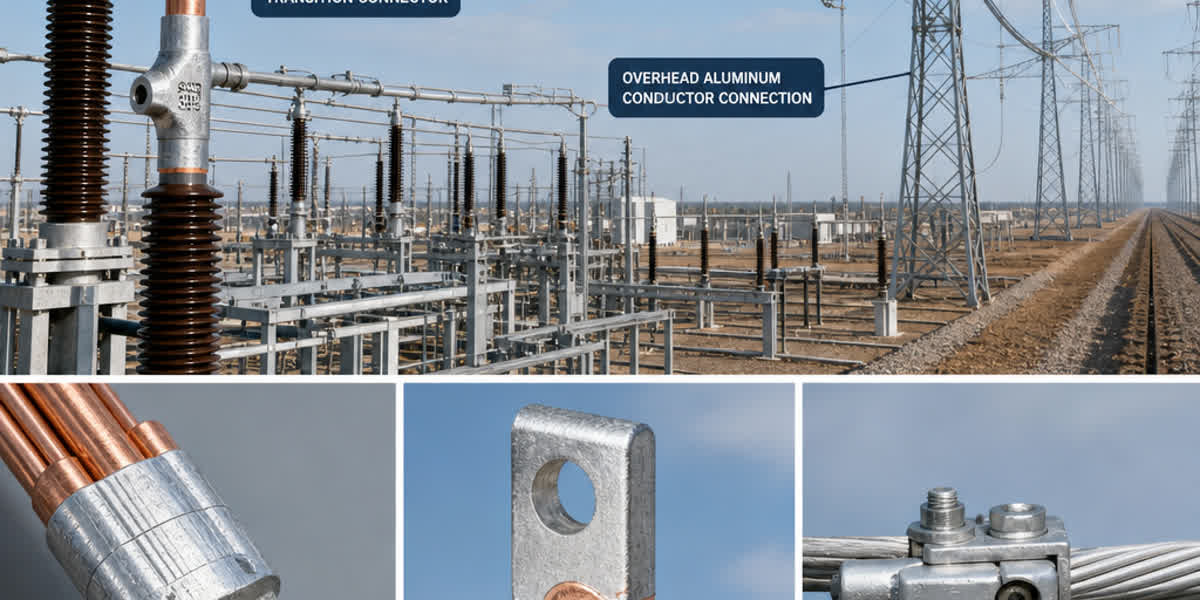
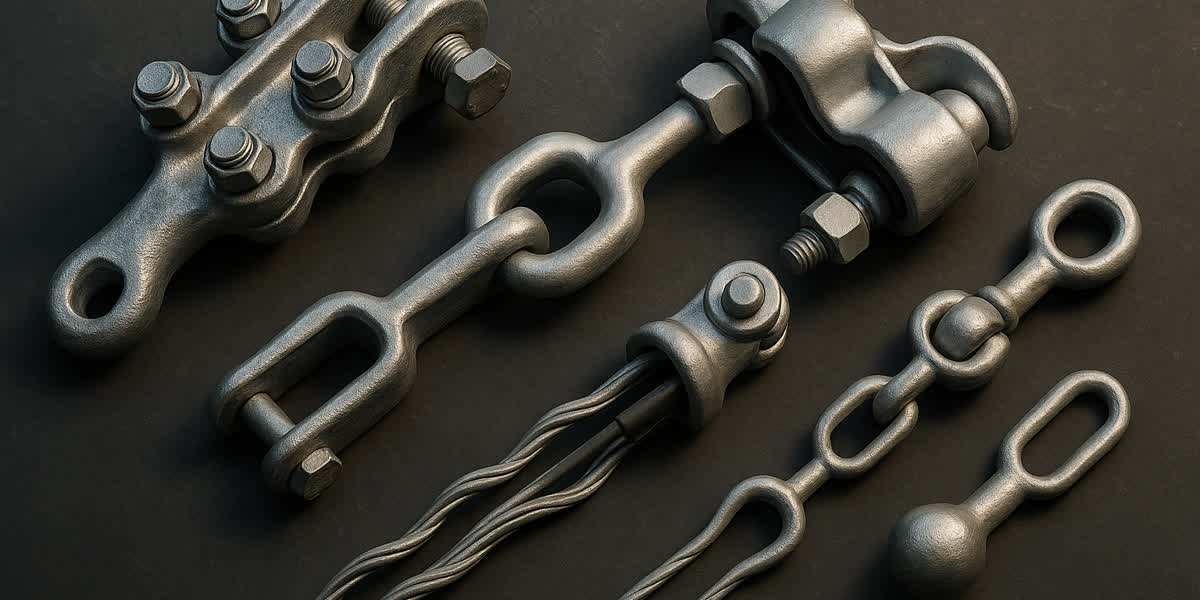
To establish the design knee-point, the installation contractor must grip and tension the inner steel core and outer aluminum layers independently: * The Come-Along Method: Contractors use specialized double-action clamping tools. The outer aluminum layers are peeled back at dead-end tension towers, exposing the steel core. * Tensioning Sequence: The steel core is anchored into the tension hardware and pulled to 100% of the calculated stringing tension. The outer aluminum envelope is then relaxed and cut to length with a predetermined longitudinal setback, ensuring that at the specified reference temperature ($T_{knee}$), the aluminum carries minimal initial tensile load. * Specialized Hardware: Installation requires heavy-duty specialized overhead line fittings and hardware, including high-temperature strain clamps, armor-grip suspension units (AGS) with elastomer cushions, and compression dead-ends rated for 210°C operation.
3. Mid-Span Jointing Protocol
Mid-span compression sleeves for GTACSR/GZTACSR feature a two-part compression design: 1. An inner high-strength steel compression tube connects the steel cores. 2. High-temperature sealing rings and grease re-injection ports replenish the synthetic compound across the joint. 3. An outer aluminum sleeve is compressed over the trapezoidal aluminum layers with a hexagonal or circular hydraulic die set to ensure low electrical resistance.
Compliance and Quality Verification Standards
To guarantee a minimum 40-year field operational life under severe thermal cycling, Zhengzhou SiTong Cable Co., Ltd. subjects every production batch of GTACSR and GZTACSR to rigorous type and routine testing in compliance with recognized global standards:
- IEC 62004: Thermal-resistant aluminium alloy wire for overhead line conductor (defines tensile strength retention after 400-hour and 1000-hour exposure at 150°C and 210°C).
- IEC 61089 / BS EN 50182: Round wire concentric lay overhead electrical stranded conductors (dimensional tolerances, lay ratios, and mechanical breaking load criteria).
- JIS C 3105 / JEC 3401: Hard-drawn aluminium alloy wire and Gap-type conductor standards (annular gap uniformity, grease retention, and knee-point transition validation).
- IEEE Standard 738: Standard for Calculating the Current-Temperature of Bare Overhead Conductors (thermal ampacity and steady-state thermal rating methodology).
- CIGRE Technical Brochure 244 & 426: Conducting systems for high temperature operation & Guide for mechanical installation of HTLS conductors.
Routine In-Plant Testing at SiTong Cable:
- Gap Uniformity Gauge: Inline laser sensors monitor concentricity and radial gap dimensions ($\pm 0.05$ mm tolerance).
- Grease Thermal Dropping Point Test: ASTM D566 verification confirming zero compound bleed or volatilization up to 260°C.
- High-Temperature Stress-Strain Testing: Validates actual knee-point load shift across thermal cycles from $-10\text{°C}$ to $+210\text{°C}$.
Frequently Asked Questions (FAQ)
What is the primary difference between GTACSR and GZTACSR?
The primary difference lies in the aluminum alloy formulation. GTACSR utilizes Thermal-Resistant Aluminum (TAL) rated for continuous operation at 150°C and short-term emergency overloads of 180°C. GZTACSR utilizes Super Thermal-Resistant Aluminum (ZTAL) containing advanced zirconium metallurgy, enabling continuous operation at 210°C and emergency operation up to 240°C. GZTACSR provides up to 2.0× the ampacity of standard ACSR, whereas GTACSR provides approximately 1.6×.
Why does a Gap-type conductor not require tower reinforcement during reconductoring?
GTACSR and GZTACSR are engineered to match the outer diameter, total cross-sectional area, and unit weight of the existing ACSR conductor being replaced. Because the outer dimensions are identical, wind drag forces, ice accumulation areas, and everyday mechanical tensions remain within the original tower design envelope. Furthermore, because thermal sag above the knee-point is controlled entirely by the low thermal expansion coefficient of the steel core, statutory ground clearances are maintained without raising tower heights.
How does the synthetic grease inside the annular gap perform over decades of high-temperature operation?
The synthetic grease used by SiTong Cable is formulated with inorganic thickeners and fluorosilicone/synthetic base stocks with a dropping point exceeding 250°C. It exhibits negligible evaporation, does not drip, and prevents oxidation between the steel core and aluminum layers throughout the 40+ year anticipated service life, while serving as a mechanical damper against aeolian vibration.
Can standard ACSR tension clamps and dead-ends be used on GTACSR/GZTACSR?
No. Gap-type conductors require specialized HTLS fittings. Because the aluminum layers expand independently and operate up to 150°C or 210°C, hardware must accommodate high temperatures without thermal creep or annealing. Dead-end assemblies require independent steel core gripping mechanisms, and suspension points should utilize armor-grip suspension (AGS) units with high-temperature elastomer inserts.
How does the capital expenditure of GTACSR compare with composite core (ACCC) or Invar core (STACIR/AW) conductors?
GTACSR and GZTACSR typically cost 30% to 50% less in material procurement than composite core (carbon-fiber/glass-fiber) or Invar-core HTLS conductors. Because they utilize standard high-tensile steel cores rather than costly nickel alloys or specialized composite rods, Gap-type conductors deliver the lowest total life-cycle cost per megawatt of uprated capacity.
Conclusion and Engineering Support
For transmission utilities facing transmission congestion, high ROW acquisition hurdles, and rapidly growing renewable generation tie-ins, Gap-type conductors (GTACSR and GZTACSR) provide an optimal balance of electrical ampacity doubling, structural safety, vibration damping, and capital economy. By leveraging precise knee-point decoupling mechanics, existing infrastructure can be modernized with minimal outage windows.
Zhengzhou SiTong Cable Co., Ltd. provides complete end-to-end engineering support for overhead transmission reconductoring projects, including thermal ampacity modeling according to IEEE 738, sag-tension calculations, customized stringing guides, and full conductor-hardware compatibility packages.
👉 Browse our bare conductor range 👉 Explore overhead line fittings & tension hardware 👉 Contact our engineering team for line uprating calculations
📬 Sales inquiries: sales@sitongcable.com | 📞 Phone: +86-371-69176007