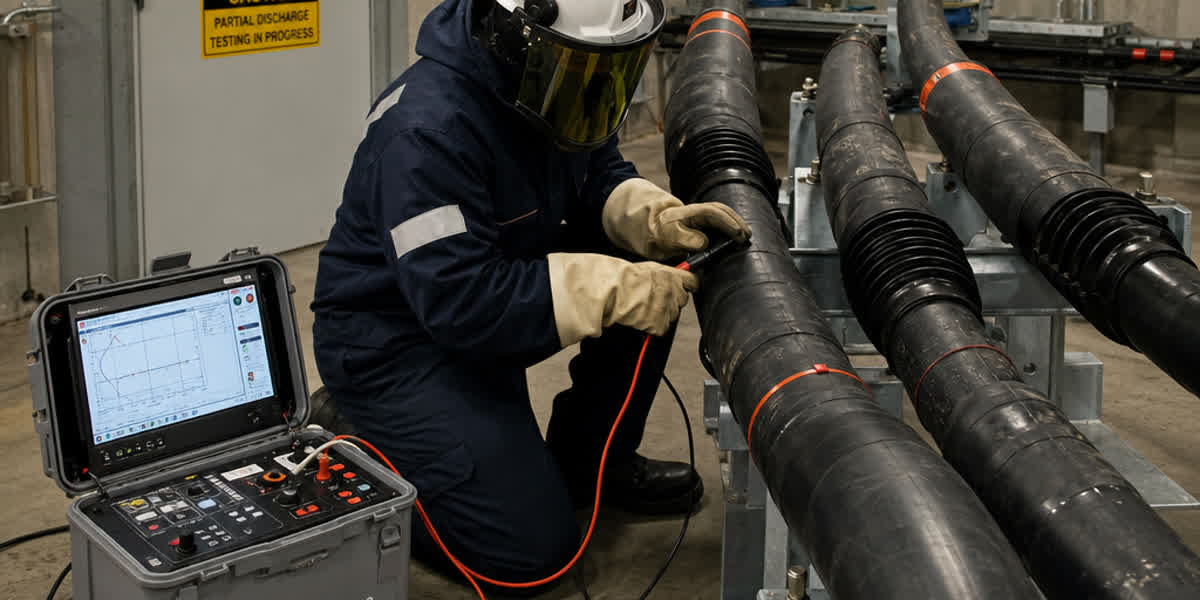
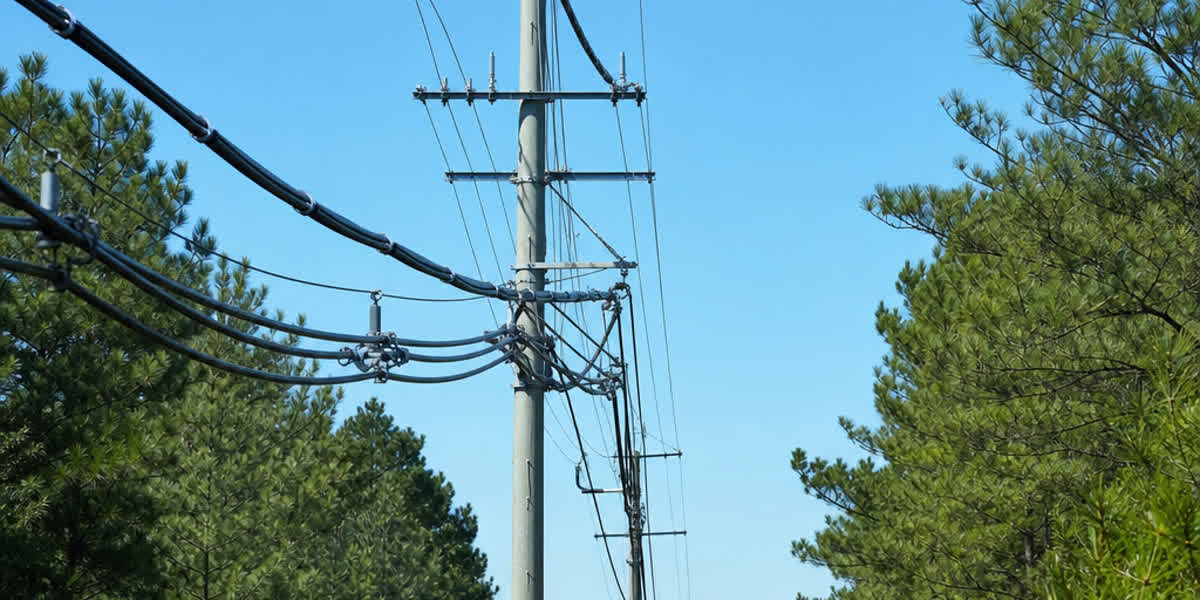
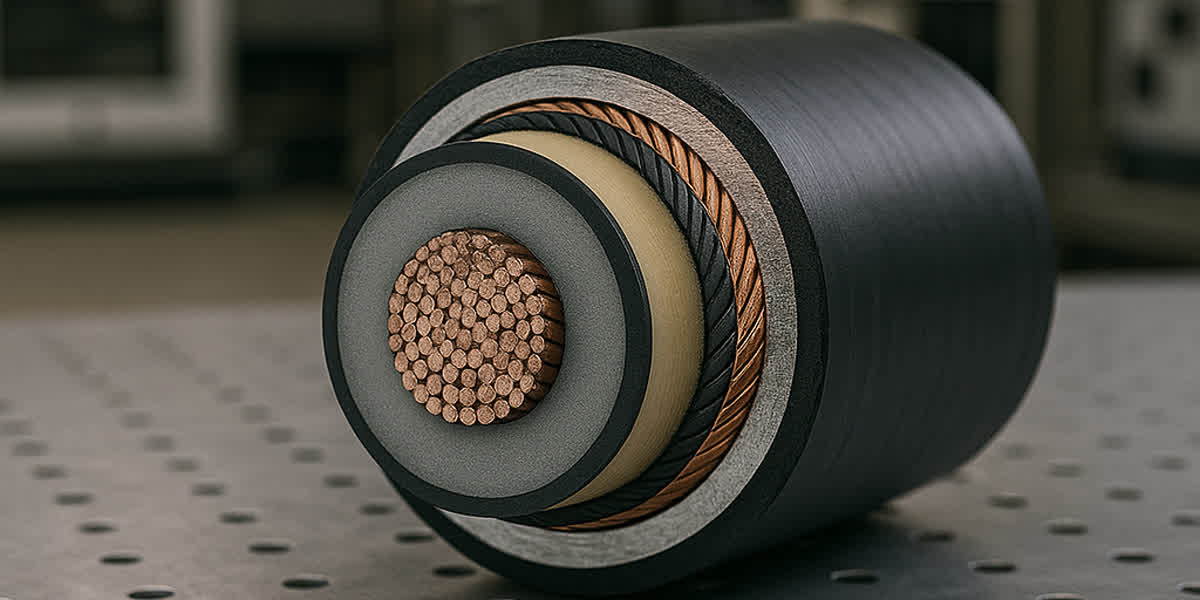
Cable Concéntrico: Guía Técnica Completa de Estándares, Selección e Instalación (IEC 60502, BS 7870)
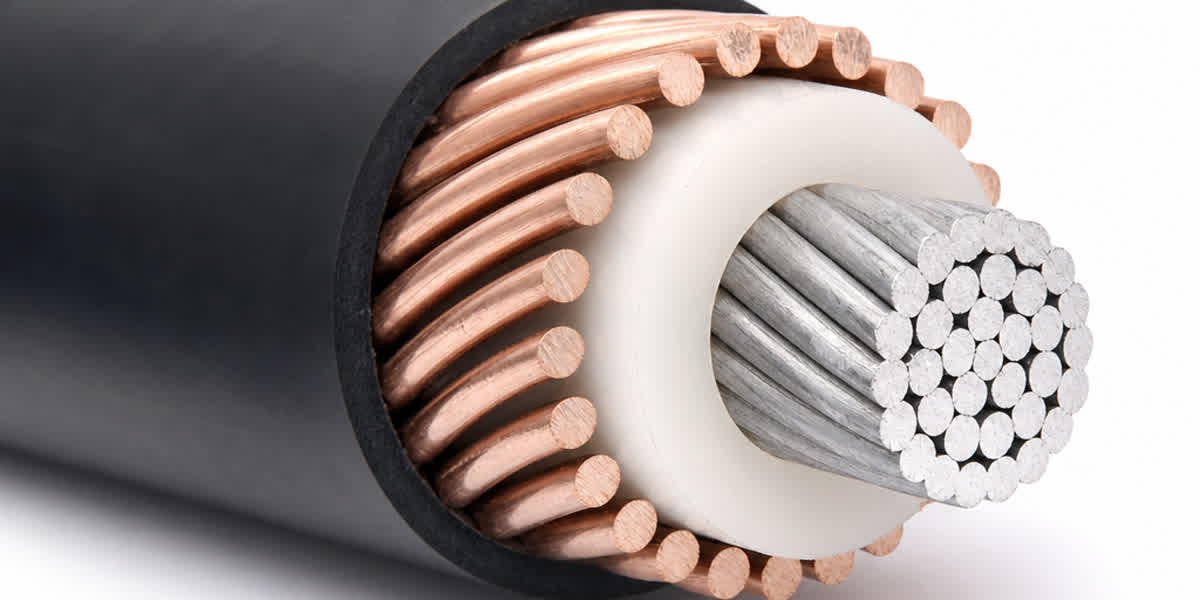
Cable Concéntrico: Guía Técnica Completa de Estándares, Selección e Instalación (IEC 60502, BS 7870)
Los cables concéntricos son un tipo especializado de cable de potencia donde el conductor neutro se dispone como una capa concéntrica de alambres alrededor del conductor(es) de fase aislado, en lugar de como un núcleo paralelo separado. Este diseño ofrece una combinación única de rendimiento eléctrico, robustez mecánica y eficiencia de instalación que lo convierte en la opción preferida para acometidas, alumbrado público y redes de distribución de BT en todo el mundo.
Esta guía técnica integral está diseñada para ingenieros eléctricos, especificadores de servicios públicos y profesionales de compras que necesitan datos de referencia autorizados, desde estándares internacionales y configuraciones de conductores hasta metodología de selección, prácticas de instalación y estudios de casos específicos.
1. Descripción General del Cable Concéntrico y Aplicaciones
Un cable concéntrico generalmente consiste en un conductor de fase de cobre o aluminio cableado, aislamiento extruido de XLPE o PVC, y una o más capas concéntricas de alambres neutros (generalmente cobre o aluminio desnudo) aplicados helicoidalmente sobre el aislamiento. Una cubierta exterior de PVC o PE proporciona protección mecánica y ambiental.
La característica definitoria es el neutro concéntrico: alambres aplicados helicoidalmente que sirven tanto como conductor neutro/puesta a tierra como armadura protectora. Esta doble función elimina la necesidad de un núcleo neutro separado, reduciendo el diámetro del cable, el peso y el costo de instalación.
Clases de Tensión Estándar
| Clase de Tensión | Tensión Nominal | Aplicaciones Principales |
|---|---|---|
| Baja Tensión (BT) | 0,6/1 kV | Acometidas, alumbrado público, distribución BT |
| Media Tensión (MT) | 3,6/6 kV – 19/33 kV | Distribución subterránea, alimentadores industriales |
Tabla de Aplicaciones
| Aplicación | Descripción | Variante Recomendada |
|---|---|---|
| Acometida (EE. UU./Canadá) | Suministro subterráneo del transformador al medidor | Cable neutro concéntrico 600 V según ICEA S-76-474 / UL 1277 |
| Alumbrado público | Circuitos alimentadores y derivados para luminarias | 0,6/1 kV unipolar concéntrico, cubierta de PVC |
| Distribución subterránea BT | Redes residenciales/comerciales de última milla | IEC 60502-1 0,6/1 kV, conductor de aluminio, aislamiento XLPE |
| Distribución MT utility | Circuitos de distribución primaria 11 kV a 33 kV | IEC 60502-2 / BS 7870-4, conductor de cobre o aluminio, XLPE |
| Circuitos alimentadores industriales | Distribución interna con protección mecánica | Neutro concéntrico o armadura de alambres según IEC 60502 |
| Energía solar — Parques fotovoltaicos | Tendido subterráneo de matriz a inversor | 0,6/1 kV unipolar o tripolar concéntrico, cubierta resistente a UV |
| Suministro temporal de obra | Tendido único robusto de instalación rápida | 0,6/1 kV concéntrico con cubierta de PE resistente |
💡 Ventaja Clave: Un solo cable concéntrico reemplaza el haz de múltiples cables requerido por diseños convencionales, reduciendo el ancho de zanja en un 30–50% y disminuyendo la mano de obra de instalación hasta en un 40% en aplicaciones de distribución BT.
2. Referencia de Estándares Internacionales
Los cables concéntricos se rigen por un amplio marco de estándares internacionales. Los especificadores deben coincidir el estándar con la jurisdicción del proyecto.
| Estándar | Título | Alcance / Región | Requisitos Clave |
|---|---|---|---|
| IEC 60502-1 | Cables de potencia con aislamiento extruido — Parte 1: Cables para tensiones asignadas 1 kV (Um=1,2 kV) y 3 kV (Um=3,6 kV) | Internacional | Construcción, métodos de ensayo, diseño del conductor concéntrico |
| IEC 60502-2 | Cables de potencia con aislamiento extruido — Parte 2: Cables para tensiones de 6 kV (Um=7,2 kV) a 30 kV (Um=36 kV) | Internacional | Construcción MT, ensayos de descarga parcial, capas semiconductoras |
| BS 7870 | Cables poliméricos aislados de BT y MT para redes de distribución y generación | Reino Unido (BT+MT) | Especificación completa de construcción + rendimiento |
| BS 7870-1 | Cables BT con neutro concéntrico — requisitos generales | Reino Unido | Cables de neutro concéntrico 0,6/1 kV, secciones 16–300 mm² |
| BS 7870-2 | Cables MT con neutro concéntrico para 11 kV a 33 kV | Reino Unido | Cable de neutro concéntrico MT para redes DNO británicas |
| ICEA S-76-474 | Cables de potencia con neutro espaciado (NS) | EE. UU. | Construcción de cable de neutro concéntrico 600 V |
| UL 1277 | Cables eléctricos de potencia y control con fibra óptica opcional | EE. UU. | Estándar de seguridad para cables de neutro concéntrico |
| AEIC CS8 | Especificación para cables blindados dieléctricos extruidos | EE. UU. | Especificación MT referenciada por ICEA |
| AS/NZS 1429 | Cables eléctricos — Aislados poliméricos — Hasta 0,6/1 kV | Australia / Nueva Zelanda | Incluye construcción concéntrica para distribución BT |
| GOST 31947 | Cables de potencia con aislamiento plástico 0,66; 1 y 3 kV | Rusia / CIS | Construcción y ensayos de cable concéntrico BT |
| NBR 7286 | Cables de potencia con aislamiento XLPE hasta 1 kV | Brasil | Construcción concéntrica para redes BT |
| UNE 21123 | Cables de potencia de tensión asignada 0,6/1 kV | España | Tipos de cable concéntrico BT |
🏗️ Consejo de Proyecto: Para proyectos de DNO (Operador de Red de Distribución) del Reino Unido, BS 7870 es obligatorio. Para licitaciones internacionales, IEC 60502 es casi universalmente aceptado. Para trabajos de servicios públicos norteamericanos, refiérase a ICEA S-76-474 y UL 1277.
3. Tipos y Especificaciones de Cables Concéntricos
3.1 Cables Concéntricos de Baja Tensión (0,6/1 kV) — IEC 60502-1 / BS 7870-1
| Designación | Material del Conductor | Sección (mm²) | Aislamiento | Neutro Concéntrico | Cubierta Exterior | Aplicación |
|---|---|---|---|---|---|---|
| CN-1L-A | Aluminio, cableado | 16–300 | XLPE | Alambres de cobre, helicoidal | PVC (ST2) | Distribución BT, acometida |
| CN-1C-A | Aluminio, cableado | 16–300 | XLPE | Alambres de cobre, helicoidal | PE (ST7) | Distribución BT, enterrado directo |
| CN-1L-C | Cobre, cableado | 10–240 | XLPE | Alambres de cobre, helicoidal | PVC (ST2) | Distribución BT, industrial |
| CN-1C-C | Cobre, cableado | 10–240 | XLPE | Alambres de cobre, helicoidal | PE (ST7) | Distribución BT, enterrado directo |
| CN-1P-A | Aluminio, macizo | 16–120 | PVC (70°C) | Alambres de cobre, helicoidal | PVC | Alumbrado público, temporal |
| CN-1P-C | Cobre, macizo | 6–95 | PVC (70°C) | Alambres de cobre, helicoidal | PVC | Interior / tubería |
Nota de Selección: Los conductores de aluminio reducen el costo en aproximadamente un 30% en comparación con el cobre a capacidad equivalente. La cubierta de PE proporciona resistencia superior a la humedad para enterramiento directo — siempre especifique PE (ST7) para instalaciones en zanja subterránea.
3.2 Cables Concéntricos de Media Tensión (11 kV – 33 kV) — IEC 60502-2 / BS 7870-2
| Tipo | Tensión (kV) | Sección (mm²) | Espesor Aislamiento (mm) | Neutro Concéntrico | Aplicación |
|---|---|---|---|---|---|
| CN-MV-11 | 6,35/11 (12,7/22) | 16–630 | 3,4 (XLPE) | Alambres de cobre, 1,0–2,5 mm Ø | Distribución primaria, 11 kV |
| CN-MV-33 | 19/33 (36 kV) | 25–630 | 5,5 (XLPE) | Alambres de cobre, 1,0–2,5 mm Ø | Distribución primaria, 33 kV |
| CN-MV-15 | 8,7/15 (17,5 kV) | 16–630 | 4,5 (XLPE) | Alambres de cobre, 1,0–2,5 mm Ø | Distribución 15 kV (EE. UU./Asia) |
Todos los cables concéntricos MT incluyen: - Conductor: cobre/aluminio cableado circular o compactado - Capa semiconductora interna (pantalla del conductor) - Aislamiento XLPE - Capa semiconductora externa (pantalla del aislamiento) - Neutro concéntrico de cinta o alambre de cobre - Opcional: cubierta exterior de PVC o PE
Nota de Selección: Para redes de 11 kV, CN-MV-11 con aislamiento XLPE de 3,4 mm es la opción estándar. Donde las condiciones del suelo sean corrosivas, actualice de alambres neutros de cobre desnudo a un diseño de cobre estañado o envuelto en aleación de plomo.
3.3 Configuraciones de Alambres del Neutro Concéntrico
| Tipo de Neutro | Diámetro del Alambre (mm) | N.º de Alambres | Cobertura (% circunferencia) | Aplicación |
|---|---|---|---|---|
| Helicoidal estándar | 1,0–2,5 | 6–36 | 40–60% | Distribución BT/MT general |
| Helicoidal paso apretado | 1,0–2,5 | 12–48 | 60–80% | Mayor capacidad de corriente de falla |
| Helicoidal abierto | 1,0–2,5 | 4–8 | 25–40% | Alumbrado público, baja corriente de falla |
| Cinta de cobre | 0,1–0,3 (espesor) | 1 (envoltura) | 100% | Cables MT, blindaje neutro completo |
4. Metodología de Selección
Siga este proceso de 5 pasos para seleccionar el cable concéntrico óptimo para su proyecto.
Paso 1: Definir Requisitos Eléctricos
| Parámetro | Valor Ejemplo | Notas |
|---|---|---|
| Tensión nominal (U₀/U) | 0,6/1 kV | Tensión del sistema |
| Tensión máxima del sistema (Um) | 1,2 kV | Clase IEC |
| Corriente nominal (carga) | 200 A por fase | Carga base |
| Corriente de cortocircuito | 12 kA durante 1 s | El neutro debe soportar |
| Límite de caída de tensión | 4% (BT) / 5% (MT) | En el punto más lejano |
| Temperatura ambiente | 25 °C (terreno) / 40 °C (aire) | Aplicar factor de corrección |
Paso 2: Seleccionar Sección del Conductor
I_ajustada = I_base × K_temp × K_profundidad × K_grupo × K_suelo
| Sección (mm²) | Aluminio (A) | Cobre (A) | Notas |
|---|---|---|---|
| 16 | 75 | 100 | Enterrado directo, 25°C |
| 25 | 95 | 130 | |
| 35 | 115 | 160 | |
| 50 | 140 | 195 | |
| 70 | 175 | 245 | |
| 95 | 210 | 295 | |
| 120 | 240 | 335 | |
| 150 | 275 | 380 | |
| 185 | 310 | 430 | |
| 240 | 365 | 510 | |
| 300 | 415 | 580 |
💡 Regla Rápida: Para cables concéntricos BT de aluminio a 0,6/1 kV, un conductor de 95 mm² generalmente sirve alimentadores residenciales de 200 A. Reduzca un 0,85 para cables agrupados o condiciones de alta temperatura ambiente.
Paso 3: Verificar Caída de Tensión
Para circuitos trifásicos:
ΔV = √3 × I × L × (R cos φ + X sin φ) / 1000
Donde: - I = corriente de carga (A) - L = longitud del cable (m) - R = resistencia CA a temperatura de operación (Ω/km) - X = reactancia (Ω/km) — para cables concéntricos, X es típicamente 0,08–0,12 Ω/km - cos φ = factor de potencia
Simplificado para aluminio BT (cos φ ≈ 0,95): - Caída típica a 200 A, 300 m, 95 mm² Al: ≈ 4,2 V por fase (1,8% de 230 V) ✅
Paso 4: Verificar Capacidad de Falla del Neutro
El neutro concéntrico debe soportar la corriente de falla a tierra completa sin daños:
I_falla² × t ≤ K² × S²
Donde: - K = constante para cobre (143 para PVC, 176 para XLPE) - S = sección total del conductor neutro (mm²)
Ejemplo: Conductor de aluminio 95 mm² con 6 alambres neutros de cobre de 2,0 mm → S_neutro = 18,85 mm². Para una falla de 12 kA, 1 s: (12.000² × 1) = 144×10⁶ ≤ (176² × 18,85²) = 11×10⁶ ❌ — neutro insuficiente. Actualice a 12 alambres de 2,0 mm (37,7 mm²).
Paso 5: Evaluar Opciones Económicas
| Opción | Tipo de Cable | Costo de Material | Instalación | Vida Útil | Mejor Para |
|---|---|---|---|---|---|
| A — Estándar | Conductor Al, XLPE, cubierta PVC | Bajo | Estándar | 30 años | Proyectos BT con presupuesto limitado |
| B — Premium | Conductor Cu, XLPE, cubierta PE | Medio | Estándar | 40+ años | Zonas costeras, alta confiabilidad |
| C — Servicio Pesado | Al, XLPE, PE, neutro mejorado (12+ alambres) | Medio | Estándar | 40+ años | Ubicaciones de alta corriente de falla |
5. Prácticas de Instalación
Lista de Verificación Previa a la Instalación
| Elemento | Requisito |
|---|---|
| Radio de curvatura mínimo | 12× diámetro exterior (15× para armados) |
| Tensión de tiro máxima | 50 N/mm² por conductor (cobre) / 30 N/mm² (aluminio) |
| Límite de presión lateral | 500 N/m (BT) / 750 N/m (MT) |
| Rango de temperatura de instalación | −5 °C a +50 °C |
| Sellado de extremos | Tapón hermético inmediatamente después del corte |
Instalación en Zanja (Enterrado Directo)
- Dimensiones de zanja: ancho mínimo 600 mm, profundidad 750 mm (BT) / 1.000 mm (MT bajo carreteras)
- Cama de arena: 100 mm debajo y 100 mm encima del cable
- Separación entre cables: 150–200 mm entre cables concéntricos paralelos
- Cinta de advertencia: 200 mm sobre el cable
- Relleno: tierra fina sin piedras afiladas, compactada en capas de 200 mm
Reglas de Seguridad Clave
- ⚠️ El neutro concéntrico transporta corriente de falla — conecte a tierra ambos extremos del haz de alambres neutros según el código local
- ⚠️ Nunca doble a menos de 12× DE — las curvas cerradas dañan la hélice de alambres concéntricos
- ⚠️ Use agarres de tiro en los alambres concéntricos — nunca tire solo del conductor
- ⚠️ Verifique la continuidad del neutro después del empalme con un óhmetro de baja resistencia (< 0,1 Ω)
6. Caso Práctico: Red Subterránea BT de Urbanización Residencial
Basado en un perfil típico de proyecto de desarrollo residencial del Reino Unido
Parámetros del Proyecto
| Parámetro | Valor |
|---|---|
| Aplicación | Red subterránea BT para urbanización de 150 viviendas |
| Tipo de cable | Neutro concéntrico 0,6/1 kV, XLPE, cubierta PE |
| Conductor | Aluminio, 95 mm² |
| Neutro | Alambres de cobre, 12×2,0 mm (37,7 mm² total) |
| Longitud de ruta | 1.200 m (alimentador principal) |
| Carga conectada | 400 kVA (200 A por fase estimados) |
| Estándar | BS 7870-1 |
Comparación de Opciones
| Parámetro | Opción A: Aluminio 95 mm² | Opción B: Cobre 70 mm² |
|---|---|---|
| Costo del conductor | Referencia (−35%) | +35% vs aluminio |
| Capacidad a 25°C | 210 A | 245 A |
| Caída de tensión a 200 A, 1,2 km | 4,1% (dentro del límite 4%) | 3,2% |
| Costo total de material por metro | Referencia | +45% |
| Capacidad de falla del neutro | 12 kA × 1 s ✅ | 12 kA × 1 s ✅ |
| Recomendación | ✅ Seleccionado (cumple todos los requisitos) | Sobre-especificado |
✅ Resultado: La Opción A (Aluminio 95 mm² según BS 7870-1) fue seleccionada — cumpliendo todos los requisitos eléctricos, mecánicos y de nivel de falla al menor costo instalado.
7. Consideraciones Ambientales y de Durabilidad
| Factor | Recomendación | Justificación |
|---|---|---|
| Enterramiento directo en suelo húmedo | Cubierta exterior PE (ST7) | PE absorbe < 0,1% humedad vs PVC al 0,5% |
| Ambiente costero/salino | Cubierta PE + neutro de cobre estañado | La niebla salina acelera la corrosión del cobre desnudo |
| Zonas industriales (químicos) | Cubierta PE o LSZH (bajo humo cero halógeno) | Resistencia química, emisiones tóxicas reducidas en incendio |
| Alta temperatura ambiente (>40°C) | Aislamiento XLPE (clase 90°C) | PVC solo 70°C — XLPE necesario para sobretensión |
| Ubicaciones de alta corriente de falla | Neutro mejorado (12+ alambres de cobre) | Asegura capacidad de falla adiabática |
| Exposición UV (terminación aérea) | Cubierta PE negra resistente a UV | El PVC estándar se degrada con luz solar directa |
| Terreno rocoso/relleno abrasivo | Armadura de alambre de acero sobre neutro concéntrico | Protección mecánica adicional |
8. Preguntas Frecuentes (FAQ)
P1: ¿Cuál es la diferencia entre un cable concéntrico y un cable armado convencional (SWA)?
Los cables concéntricos utilizan alambres neutros helicoidales tanto como conductor neutro como protección mecánica. Los cables SWA tienen una capa de armadura de alambre de acero separada. Los cables concéntricos son generalmente más ligeros, más flexibles y de menor costo para distribución BT donde se necesita la función de neutro.
P2: ¿Se pueden usar cables concéntricos para circuitos trifásicos?
Sí. Los cables concéntricos tripolares están disponibles donde tres conductores de fase aislados comparten un neutro concéntrico común. Los cables concéntricos unipolares también se pueden instalar en configuraciones triplex para servicio trifásico.
P3: ¿Cuál es la temperatura máxima de operación continua para cables concéntricos con aislamiento XLPE?
El aislamiento XLPE está clasificado para 90 °C continuos, 130 °C bajo sobrecarga y 250 °C en condiciones de cortocircuito (IEC 60502). El aislamiento PVC se limita a 70 °C continuos.
P4: ¿Cómo se deben terminar los extremos del cable concéntrico?
Pele la cubierta exterior con cuidado para evitar dañar los alambres neutros. Termine los alambres neutros concéntricos con un terminal de anillo o terminal de compresión en ambos extremos — no los deje sin terminar. Aplique compuesto anticorrosión en las terminaciones de cobre en ambientes costeros.
P5: ¿Qué radio de curvatura se requiere para cables concéntricos?
El radio de curvatura mínimo recomendado es 12× el diámetro exterior del cable para cables concéntricos no armados, y 15× para variantes armadas. Para cables MT (11 kV+), refiérase a IEC 60502-2 que especifica 15× DE.
P6: ¿Cómo calculo la sección del neutro para la clasificación de corriente de falla?
La sección total del neutro = número de alambres × π × (diámetro del alambre/2)². Para una falla adiabática: S_neutro ≥ √(I²t) / K. Use K = 143 para cables PVC y K = 176 para cables XLPE (IEC 60364-5-54).
P7: ¿Cuál es el plazo de entrega típico para pedidos personalizados de cables concéntricos?
Los cables concéntricos BT estándar (0,6/1 kV) en tamaños comunes (16–300 mm², aluminio o cobre) están típicamente disponibles en 2–3 semanas. Los cables concéntricos MT (11–33 kV) requieren 4–6 semanas. Para pedidos grandes (>10 km), consulte a la fábrica para plazos específicos.
P8: ¿Se pueden usar cables de neutro concéntrico tanto para neutro como para tierra (PEN)?
Sí. En sistemas de puesta a tierra TN-C y TN-C-S, el neutro concéntrico puede servir como conductor PEN combinado siempre que la sección cumpla con los requisitos mínimos de IEC 60364 — típicamente ≥ 10 mm² de cobre o ≥ 16 mm² de aluminio. Verifique con los códigos eléctricos locales antes de la instalación.
9. Conclusión
Los cables concéntricos ofrecen una solución probada y rentable para la distribución subterránea de BT y MT en todo el mundo. Al integrar el conductor neutro en la construcción del cable como una capa de alambre concéntrica, reducen el uso de material, simplifican la instalación y brindan un servicio confiable durante más de 30 años.
Puntos clave para especificadores: - Coincida el estándar con la jurisdicción del proyecto — IEC 60502 para proyectos internacionales, BS 7870 para redes DNO del Reino Unido, ICEA/UL para Norteamérica - Verifique la capacidad de falla del neutro — el neutro concéntrico debe dimensionarse para la corriente de falla prospectiva máxima - Seleccione cubierta PE para enterramiento directo — su resistencia a la humedad supera al PVC en suelo húmedo - Para conductores de aluminio, compare siempre el costo total instalado (material + instalación + zanjeo) contra opciones de cobre
👉 Explore nuestra gama de Cables Concéntricos
👉 Guía complementaria: Guía Técnica Completa de Cable Concéntrico
👉 Contacte a nuestro equipo de ingeniería para asistencia de selección específica del proyecto
Esta guía fue preparada por el equipo de ingeniería de SiTong Cable. Todos los datos técnicos referencian los estándares IEC 60502, BS 7870, ICEA S-76-474 y UL 1277. SiTong Cable fabrica cables concéntricos según estándares internacionales desde 2010.