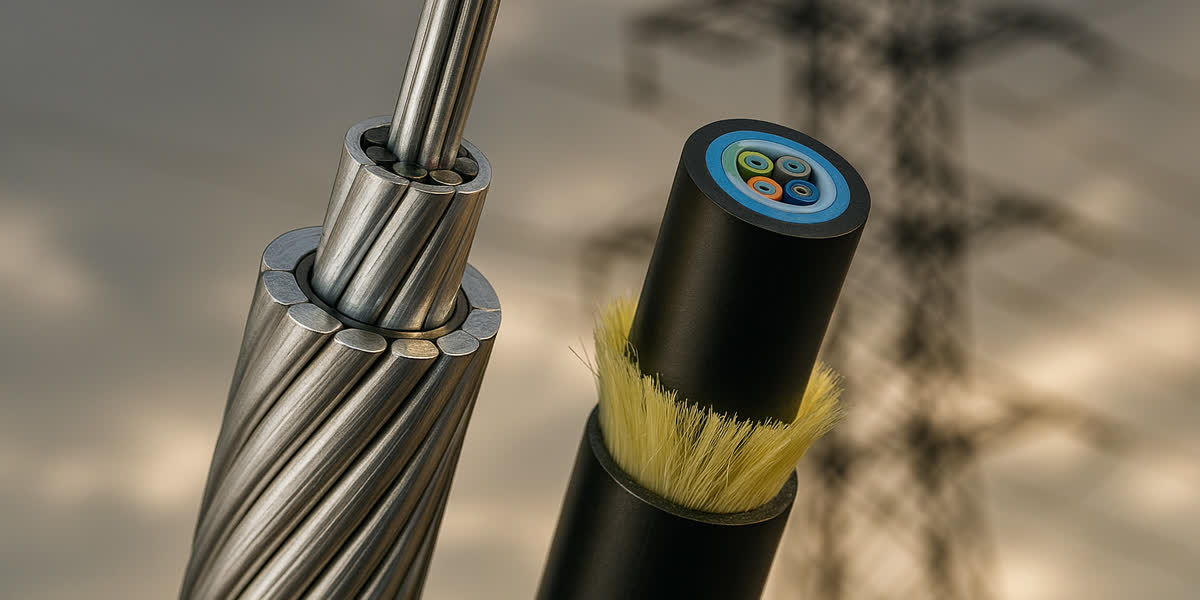
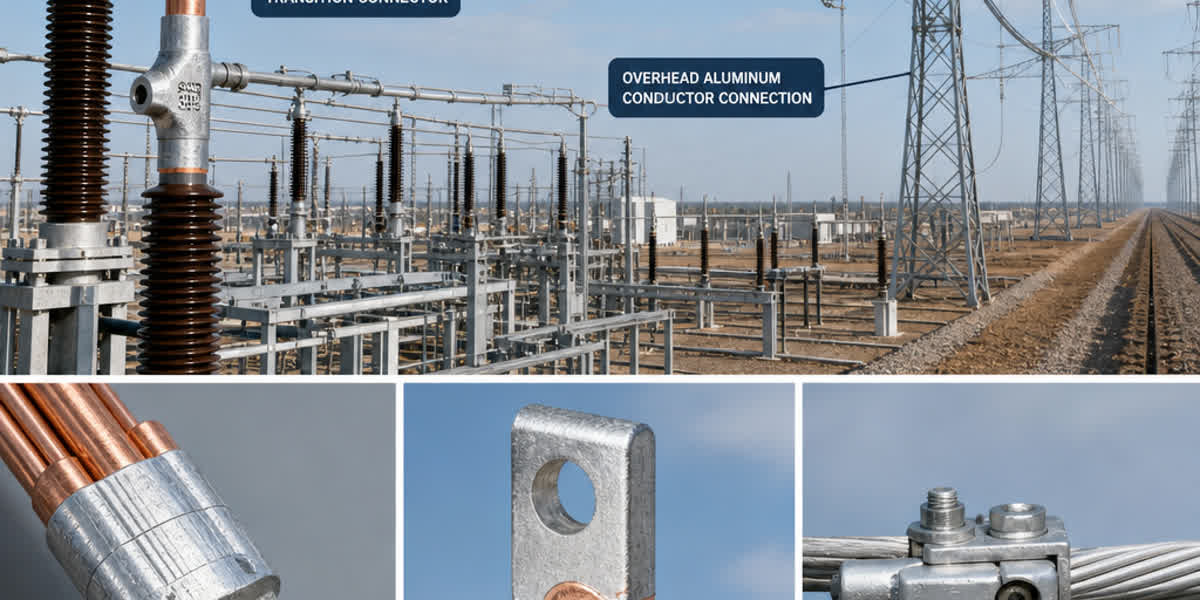
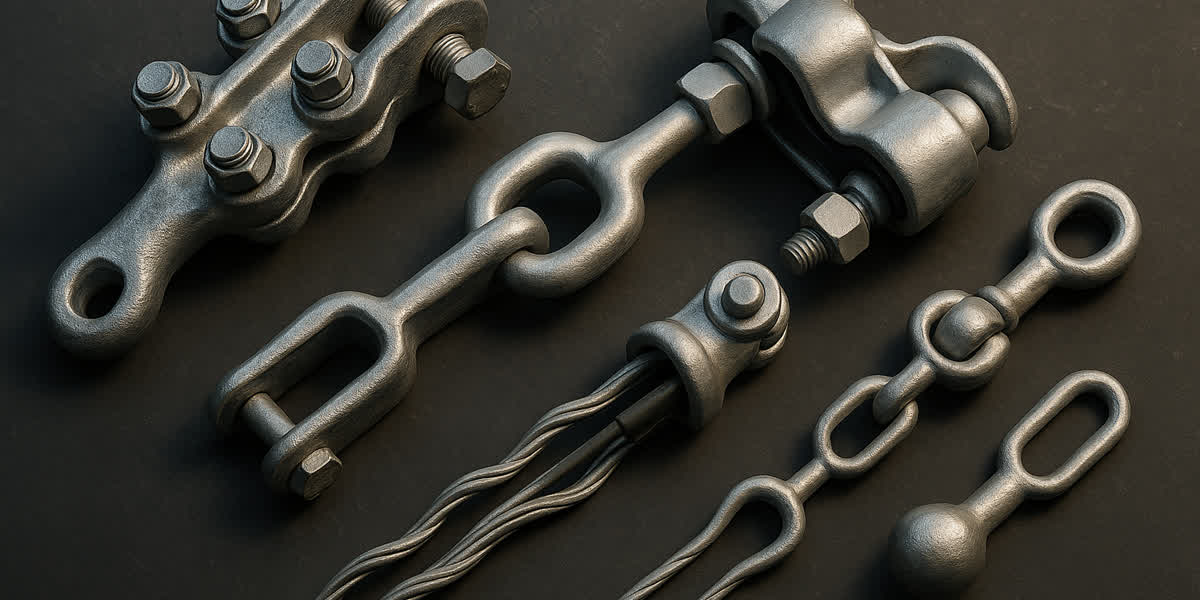
Conductor ACAR (Aluminio Reforzado con Aleación de Aluminio) — Especificación Técnica Completa y Guía de Selección
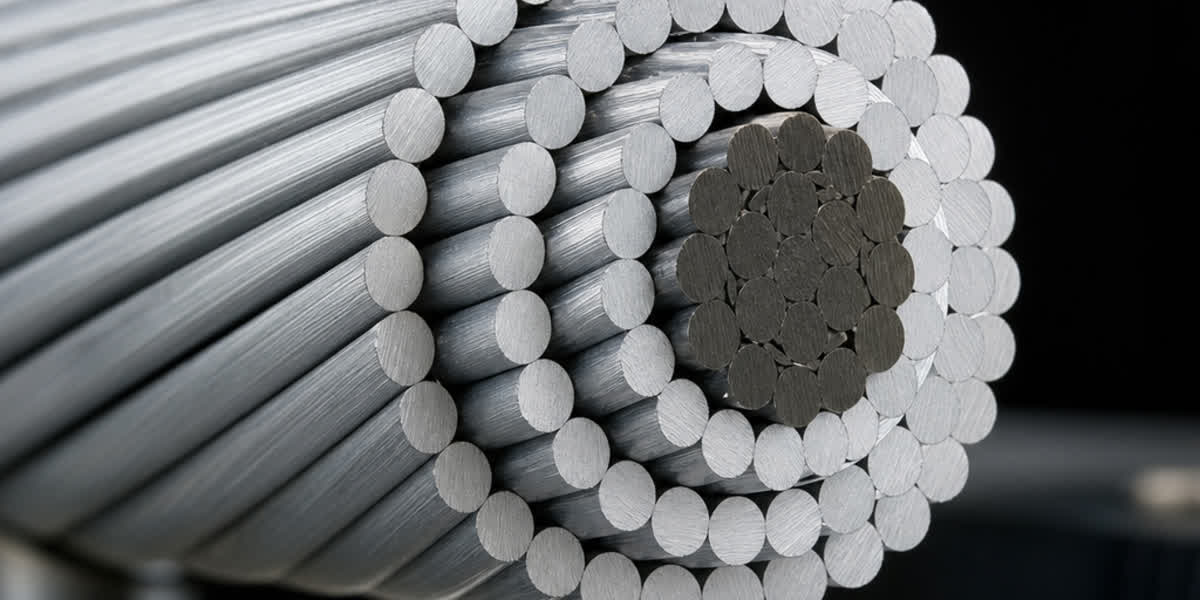
Conductor ACAR (Aluminio Reforzado con Aleación de Aluminio) — Especificación Técnica Completa y Guía de Selección
El conductor de aluminio reforzado con aleación de aluminio (ACAR, por sus siglas en inglés) es un conductor de transmisión aérea de alto rendimiento que utiliza hilos de aleación de aluminio de alta resistencia como núcleo de refuerzo, con hilos de aluminio de grado conductor eléctrico (EC) trenzados concéntricamente a su alrededor. ACAR combina la alta conductividad del aluminio con la resistencia superior de la aleación de aluminio, ofreciendo un valor de ingeniería excepcional para transmisión a larga distancia, cruces de gran vano y zonas de hielo pesado. Este artículo proporciona una visión sistemática de la estructura del conductor ACAR, los parámetros de rendimiento, la metodología de selección y los escenarios de aplicación de acuerdo con las normas internacionales ASTM B524, IEC 61089 e IEEE 524.
1. Descripción General del Conductor ACAR
1.1 ¿Qué es ACAR?
ACAR (Aluminum Conductor Alloy Reinforced) es un tipo de conductor aéreo desnudo con las siguientes características estructurales:
- Núcleo de Refuerzo: Hilos de aleación de aluminio de alta resistencia 6201-T81 que proporcionan soporte de resistencia mecánica
- Capa Conductora: Hilos de aluminio 1350-H19 (grado EC) trenzados concéntricamente, asegurando una excelente conductividad
La estructura típica de ACAR se denota con códigos como 18/1 (18 hilos de aluminio + 1 hilo de núcleo de aleación), 24/7, 30/7, etc., donde los números representan el conteo de hilos de aluminio exteriores e hilos de núcleo de aleación interiores respectivamente.
1.2 ACAR vs ACSR vs AAAC
| Propiedad | ACAR | ACSR (Reforzado con Acero) | AAAC (Conductor de Aleación de Aluminio) |
|---|---|---|---|
| Material del Núcleo | Aleación 6201-T81 | Acero Galvanizado / Aluminio- Revestido | Sin núcleo separado (aleación homogénea) |
| Material de la Capa Conductora | Aluminio 1350-H19 | Aluminio 1350-H19 | Aleación de Aluminio 6201-T81 |
| Conductividad | ~53%-56% IACS | ~40%-43% IACS | ~52.5% IACS |
| Relación Resistencia/Peso | Media | Alta | Media-Alta |
| Resistencia a la Corrosión | Excelente (todo-aluminio) | Moderada (acero necesita galvanizado) | Excelente |
| Características de Flecha | Buena | Excelente (baja expansión térmica) | Buena |
| Costo de Ingeniería | Medio-Alto | Medio-Bajo | Medio |
2. Normas Técnicas y Especificaciones
2.1 Normas Aplicables
Los conductores ACAR se fabrican y prueban de acuerdo con las siguientes normas internacionales y regionales:
| Norma | Título | Alcance |
|---|---|---|
| ASTM B524 | Especificación para Conductores de Aluminio Trenzados Concéntricamente, Reforzados con Aleación de Aluminio | Construcción, trenzado y rendimiento ACAR |
| IEC 61089 | Conductores Trenzados Concéntricamente de Alambre Redondo para Líneas Eléctricas Aéreas | Norma internacional para conductores aéreos |
| ASTM B230 | Especificación para Alambre de Aluminio 1350-H19 | Requisitos del aluminio grado EC |
| ASTM B398 | Especificación para Alambre de Aleación de Aluminio 6201-T81 | Requisitos del alambre de aleación 6201-T81 |
| BS EN 50182 | Conductores para Líneas Eléctricas Aéreas — Conductores Trenzados Concéntricamente de Alambre Redondo | Norma europea |
| IEEE 524 | Guía para la Instalación de Conductores de Líneas de Transmisión Aéreas | Directrices de instalación |
2.2 Especificaciones Típicas
La siguiente tabla muestra las especificaciones típicas de conductores ACAR suministrados por SiTong Cable (basadas en ASTM B524):
| Código | Hilos Al/Aleación | Sección (mm²) | Diámetro (mm) | Peso (kg/km) | Carga de Rotura Nominal (kN) | Resistencia CC (Ω/km @ 20°C) |
|---|---|---|---|---|---|---|
| ACAR 18/1 AWG #4 | 18/1 | 21.15 | 6.24 | 58.3 | 8.45 | 1.350 |
| ACAR 18/1 AWG #2 | 18/1 | 33.62 | 7.86 | 92.6 | 13.28 | 0.849 |
| ACAR 24/7 85 mm² | 24/7 | 85.02 | 12.50 | 234.5 | 32.80 | 0.345 |
| ACAR 30/7 125 mm² | 30/7 | 125.10 | 15.16 | 345.0 | 47.22 | 0.233 |
| ACAR 30/7 150 mm² | 30/7 | 150.02 | 16.60 | 413.7 | 56.60 | 0.194 |
| ACAR 30/7 200 mm² | 30/7 | 200.03 | 19.17 | 551.6 | 75.48 | 0.145 |
| ACAR 30/7 250 mm² | 30/7 | 250.04 | 21.43 | 689.5 | 94.35 | 0.116 |
| ACAR 30/7 300 mm² | 30/7 | 300.05 | 23.48 | 827.4 | 113.22 | 0.097 |
| ACAR 30/7 400 mm² | 30/7 | 400.06 | 27.12 | 1103.2 | 150.96 | 0.072 |
| ACAR 54/7 500 mm² | 54/7 | 500.08 | 30.32 | 1379.0 | 188.70 | 0.058 |
Nota: Las especificaciones y parámetros de rendimiento específicos están sujetos a los informes de prueba de fábrica. Se encuentran disponibles especificaciones no estándar personalizadas.
2.3 Propiedades de los Materiales
| Parámetro | Aluminio 1350-H19 (Grado EC) | Aleación de Aluminio 6201-T81 |
|---|---|---|
| Conductividad | ≥ 63% IACS | ≥ 52.5% IACS |
| Resistencia a la Tracción Mínima | 200 MPa | 325 MPa |
| Resistividad a 20°C | ≤ 0.028264 Ω·mm²/m | ≤ 0.03282 Ω·mm²/m |
| Módulo de Elasticidad | 69 GPa | 62 GPa |
| Coeficiente de Expansión Lineal | 23.0 × 10⁻⁶ /°C | 23.0 × 10⁻⁶ /°C |
| Densidad | 2.703 g/cm³ | 2.703 g/cm³ |
3. Diseño de Construcción y Selección de ACAR
3.1 Explicación del Código de Construcción
El código ACAR A/B denota: A = número de hilos exteriores de aluminio 1350, B = número de hilos interiores de aleación 6201.
Las construcciones comunes incluyen:
| Código | Descripción | Relación Al/Aleación | Aplicación Típica |
|---|---|---|---|
| 18/1 | 1 núcleo de aleación + 18 hilos de Al | 95% / 5% | Líneas de distribución de sección pequeña |
| 24/7 | 7 núcleos de aleación + 24 hilos de Al | 77% / 23% | Líneas de transmisión de sección media |
| 30/7 | 7 núcleos de aleación + 30 hilos de Al | 81% / 19% | Transmisión troncal de sección grande |
| 30/19 | 19 núcleos de aleación + 30 hilos de Al | 61% / 39% | Zonas de hielo pesado, líneas de gran vano |
| 54/7 | 7 núcleos de aleación + 54 hilos de Al | 89% / 11% | Transmisión EHV |
| 54/19 | 19 núcleos de aleación + 54 hilos de Al | 74% / 26% | Sección extra grande (400 mm²+) |
Principios de Selección: - Mayor proporción de núcleo de aleación → mayor resistencia mecánica → adecuado para grandes vanos, zonas de hielo pesado - Mayor proporción de hilos de aluminio → mayor conductividad → adecuado para transmisión de alta capacidad
3.2 Capacidad de Transporte de Corriente (Basada en IEEE 738)
Según el modelo de equilibrio térmico en estado estacionario IEEE 738, la ampacidad del conductor ACAR se ve afectada por:
- Temperatura Máxima de Operación Continua: Típicamente 75°C ~ 100°C (tipos especiales resistentes al calor hasta 150°C)
- Condiciones Ambientales: Velocidad del viento 0.6 m/s (típica), temperatura ambiente 40°C, radiación solar 1000 W/m²
- Coeficiente de Temperatura de Resistencia: Aluminio 1350 0.00403 /°C; Aleación 6201 0.00347 /°C
Ampacidad de Muestra (ACAR 30/7 200 mm²): | Temperatura de Operación | Ampacidad (A) | |-------------------------|-------------| | 75°C | ≈ 520 A | | 85°C | ≈ 600 A | | 90°C | ≈ 635 A | | 100°C | ≈ 700 A |
Nota: Los valores anteriores son cifras de referencia bajo condiciones estándar. La ampacidad real debe calcularse según los parámetros específicos del proyecto.
3.3 Comparación de Características de Flecha
El coeficiente de expansión térmica de ACAR es cercano al de ACSR, pero debido a su estructura totalmente de aluminio (sin núcleo de acero), el rendimiento de flecha a altas temperaturas se sitúa entre ACSR y AAAC:
| Tipo de Conductor | Coef. de Expansión Térmica (×10⁻⁶/°C) | Flecha a Alta Temperatura |
|---|---|---|
| ACSR (núcleo de acero) | 17.8 ~ 21.2 | Mejor (baja expansión del acero) |
| ACAR | 23.0 | Buena |
| AAAC | 23.0 | Buena (igual que ACAR) |
| ACSS (Al recocido/núcleo acero) | 17.8 ~ 21.2 | Excelente (tipo autamortiguado aún mejor) |
4. Escenarios de Aplicación Clave
4.1 Líneas de Transmisión de Larga Distancia
ACAR se utiliza ampliamente en líneas de transmisión aéreas de 110kV ~ 500kV debido a su excelente relación resistencia-peso. En comparación con ACSR, la estructura totalmente de aluminio de ACAR elimina el riesgo de corrosión del núcleo de acero, lo que lo hace ideal para ambientes costeros de niebla salina y zonas de contaminación industrial.
4.2 Cruces de Gran Vano
Para cruces de ríos y valles con vanos que superan los 800 m, las construcciones ACAR con altas proporciones de núcleo de aleación (por ejemplo, 30/19) proporcionan suficiente resistencia mecánica mientras mantienen una buena conductividad.
4.3 Líneas en Zonas de Hielo Pesado
En regiones con carga de hielo significativa (sur de China, áreas montañosas de gran altitud), el núcleo de aleación de alta resistencia de ACAR ofrece un margen de tracción adicional. Se recomiendan construcciones con altas proporciones de núcleo de aleación como 30/19 o 54/19.
4.4 Aumento de Capacidad de Líneas (Reconductoring)
Reemplazar ACSR existente con ACAR en torres existentes sin modificación estructural puede aumentar la ampacidad en un 10%~20% mientras se reducen las cargas de la torre. El peso más ligero de la estructura totalmente de aluminio es particularmente ventajoso para torres con margen de carga limitado.
4.5 Ambientes Costeros y Corrosivos
La construcción totalmente de aluminio (sin núcleo de acero) elimina fundamentalmente el riesgo de corrosión galvánica. ACAR ofrece ventajas significativas sobre ACSR en áreas costeras, plantas químicas y otros entornos corrosivos.
5. ACAR vs Otros Conductores
5.1 ACAR vs ACSR
| Comparación | ACSR | ACAR | Veredicto |
|---|---|---|---|
| Capacidad de corriente (misma sección) | Base | +10%~15% | Gana ACAR |
| Resistencia a la tracción | Alta (núcleo acero) | Media-Alta | Gana ACSR |
| Resistencia a la corrosión | Moderada (acero galv. necesita mantenimiento) | Excelente | Gana ACAR decisivamente |
| Peso | Más pesado | 10%~15% más ligero | Gana ACAR |
| Rendimiento de flecha | Excelente | Bueno | Gana ACSR |
| Técnica de empalme | Necesita transición acero-Al | Unificado todo-aluminio | Gana ACAR |
| Vida útil | 30-40 años (menor en corrosivo) | 40-50 años | Gana ACAR |
5.2 ACAR vs AAAC
| Comparación | AAAC | ACAR | Veredicto |
|---|---|---|---|
| Conductividad | 52.5% IACS | 53%-56% IACS | ACAR ligeramente mejor |
| Resistencia a la tracción | Media-Alta | Media (ajustable vía relación de aleación) | AAAC ligeramente mejor |
| Costo de fabricación | Medio | Medio (ligeramente menor que AAAC) | ACAR más económico |
| Ajustabilidad de resistencia | Fija (homogénea) | Ajustable (relación Al/aleación) | ACAR más flexible |
| Fatiga por flexión | Buena | Buena | Comparable |
Compare más conductores aéreos: Vea nuestra Comparación ACSR vs AAAC vs ACSS y Comparación Técnica AAC vs ACSR.
6. Instalación y Mantenimiento
6.1 Guía de Instalación
- Tensión de Tendido: El módulo de elasticidad de ACAR (E ≈ 62-69 GPa) es ligeramente inferior al de ACSR. La tensión de tendido debe calcularse según la longitud real del vano para evitar sobre-tensión que podría fatigar el núcleo de aleación
- Radio de Curvatura: El radio de curvatura mínimo durante la instalación y el tiro no debe ser inferior a 20 veces el diámetro exterior del conductor
- Selección de Herrajes: Se recomiendan empalmes de compresión de aleación de aluminio y grapas de anclaje. Evite herrajes de acero en contacto directo con el aluminio para prevenir la corrosión galvánica
- Conectores Terminales: La estructura totalmente de aluminio de ACAR elimina la necesidad de juntas de transición acero-aluminio, simplificando la instalación
6.2 Mantenimiento Operacional
- Termografía Infrarroja: Verifique periódicamente si hay anomalías de temperatura en las uniones y grapas de anclaje
- Monitoreo de Vibraciones: Instale amortiguadores de vibración en secciones de gran vano
- Inspección de Corrosión: Aunque la estructura totalmente de aluminio tiene una excelente resistencia a la corrosión, se recomiendan inspecciones de muestra cada 3-5 años en áreas costeras
- Medición de Flecha: Realice la medición inicial de flecha después de 1 año de operación para verificar la estabilización por fluencia del conductor
7. Preguntas Frecuentes (FAQ)
P1: ¿Se puede reemplazar ACAR directamente en líneas ACSR existentes?
Sí, pero se requiere verificación de carga de la torre. ACAR es aproximadamente 10%~15% más ligero que ACSR de la misma sección transversal, lo que típicamente reduce las cargas de la torre. Sin embargo, las características de flecha de ACAR difieren ligeramente, por lo que se debe verificar la distancia al suelo. Recomendamos completar la verificación de flecha en al menos 3 vanos antes de proceder con el reemplazo por lotes.
P2: ¿Cuál es la temperatura máxima de operación continua de ACAR?
El ACAR estándar tiene una temperatura máxima de operación continua de 90°C, con operación de emergencia a corto plazo hasta 100°C. Las versiones de aleación resistente al calor (6201-T81 modificado) pueden alcanzar 150°C. Consulte el manual técnico del fabricante para valores específicos.
P3: ¿Es ACAR adecuado para líneas acompañantes de OPGW?
Sí. La estructura totalmente de aluminio de ACAR se adapta bien al tubo de aluminio/tubo de aleación de aluminio de OPGW, con coeficientes de expansión térmica consistentes que reducen la fatiga del herraje por expansión térmica diferencial. Vea nuestra Visión General Técnica de OPGW para más detalles.
P4: ¿Cuál es la vida útil de ACAR en ambientes marinos?
En ambientes costeros de niebla salina (clase de corrosividad C1 ~ C5), la construcción totalmente de aluminio de ACAR elimina la corrosión del núcleo de acero, logrando una vida útil de 40+ años — superando significativamente a ACSR (aproximadamente 20-30 años bajo las mismas condiciones).
P5: ¿Es ACAR adecuado para líneas de transmisión compactas?
Sí. La superficie lisa y las buenas características de flecha de ACAR ayudan a reducir el espaciado entre fases, lo que lo hace adecuado para diseños de torres compactas. Contacte al equipo técnico de SiTong Cable para recomendaciones personalizadas de optimización estructural.
P6: ¿Son compatibles los herrajes de ACAR y ACSR?
La mayoría de los herrajes de ACSR se pueden usar con ACAR, pero los accesorios en contacto con los hilos de aluminio (conectores de compresión, grapas de anclaje) deben ser de aleación de aluminio o aluminio para evitar el contacto de metales disímiles. Se recomiendan herrajes totalmente de aluminio para mejores resultados.
8. ¿Por Qué Elegir SiTong Cable?
- ✅ Producción Completa según Normas ASTM/IEC: Conductores ACAR fabricados según ASTM B524 e IEC 61089
- ✅ Diseño de Construcción Personalizado: Soporta construcciones 18/1 ~ 54/19 y especificaciones no estándar
- ✅ Pruebas de Calidad Rigurosas: Pruebas 100% de propiedades mecánicas y conductividad antes del envío
- ✅ Experiencia Global en Exportación: Productos exportados a más de 30 países en el Sudeste Asiático, Sudamérica, África y Oriente Medio
- ✅ Soporte Técnico: Cálculo de flecha, análisis de ampacidad y guía de instalación en sitio
Páginas de Producto Relacionadas: Serie de Conductores HTLS | Conductor AAC Todo-Aluminio | Conductor AAAC de Aleación de Aluminio | Conductor ACSR Reforzado con Acero | Herrajes para Líneas Aéreas
Datos técnicos compilados de acuerdo con ASTM B524-20, IEC 61089:2024 e IEEE 738-2023. Las especificaciones son solo de referencia. Consulte la documentación técnica formal proporcionada por el fabricante para el diseño de ingeniería final.
SiTong Cable — Su Socio Profesional en Conductores Aéreos | Contacto: sales@sitongcable.com