Anti-Electricity Theft Distribution Engineering: Concentric Cable vs Aerial Bundled Cable (ABC) vs Split Concentric — Non-Technical Loss (NTL) Mitigation, Sizing & Hardware

Anti-Electricity Theft Distribution Engineering: Concentric Cable vs Aerial Bundled Cable (ABC) vs Split Concentric — Non-Technical Loss (NTL) Mitigation, Sizing & Hardware
Electricity theft and non-technical losses (NTL) represent an existential financial and operational challenge for power distribution utilities across Latin America, Sub-Saharan Africa, South Asia, and the Caribbean. According to global utility benchmarking studies, non-technical losses—predominantly comprised of unauthorized overhead tapping, meter bypassing, and neutral disconnection fraud—drain between 12% and 35% of total generated electrical energy in vulnerable distribution networks. Beyond massive revenue erosion, illegal physical connections create severe grid instability, frequent transformer burnouts, fire hazards, and fatal electric shock risks for local communities.
To eradicate unauthorized grid tapping, distribution network operators (DNOs) and EPC contractors are systematically replacing bare overhead lines with specialized anti-theft cable architectures. The primary technological defenses against commercial energy theft are Concentric Neutral Cables (CNE), Split Concentric Cables (SNE), and fully insulated Aerial Bundled Cables (ABC) paired with tamper-evident hardware.
This comprehensive technical engineering guide analyzes the structural designs, electrical operating principles, theft-prevention mechanisms, standard specifications (BS 7870, SANS 1507, IEC 60502, NFC 33-209), and sizing methodologies for modern anti-electricity theft distribution networks.
+---------------------------------------------------------------------------------------------------+
|                        ANTI-ELECTRICITY THEFT CABLE TAXONOMY & ARCHITECTURE                       |
+---------------------------------------------------------------------------------------------------+
|  1. Straight Concentric (CNE)   | Phase Core -> XLPE Insulation -> Helical Neutral Screen -> PVC/PE |
|  2. Split Concentric (SNE)      | Phase Core -> XLPE Insulation -> Separated Neutral/Earth Wires   |
|  3. Aerial Bundled Cable (ABC)  | Insulated Phase Cores (XLPE) Bundled Around Insulated Messenger   |
|  4. Armoured Underground Cable  | Phase Cores -> XLPE -> Bedding -> Steel Wire Armour (SWA) -> Outer |
+---------------------------------------------------------------------------------------------------+
1. Anatomy of Non-Technical Losses: Attack Vectors & Physical Countermeasures
Understanding how energy theft occurs at the physical distribution layer is critical for specifying the appropriate cable system:
- Direct Overhead Line Hooking (Tapping): Perpetrators throw conductive metallic hooks or wire loops over uninsulated bare conductors (such as AAC or ACSR) to divert power before the utility billing meter.
- Neutral Disconnection / Floating Neutral Fraud: By physically disconnecting or severing the utility return neutral conductor and establishing an alternative local earth ground (or tampering with meter coils), the energy meter fails to register current flow while household single-phase loads remain energized.
- Puncture & Insulation Piercing Taps: In semi-insulated networks, unauthorized users drive conductive metallic nails or needle-taps through outer jackets to tap the energized phase conductor.
- Meter Bypassing via Service Entrance Tapping: Concealed splicing into the service entrance cable between the overhead pole transformer and the customer premises meter board.
Physical & Electrical Anti-Theft Mechanisms
To defeat these attack vectors, engineered cable architectures utilize specific geometric and electromagnetic barriers:
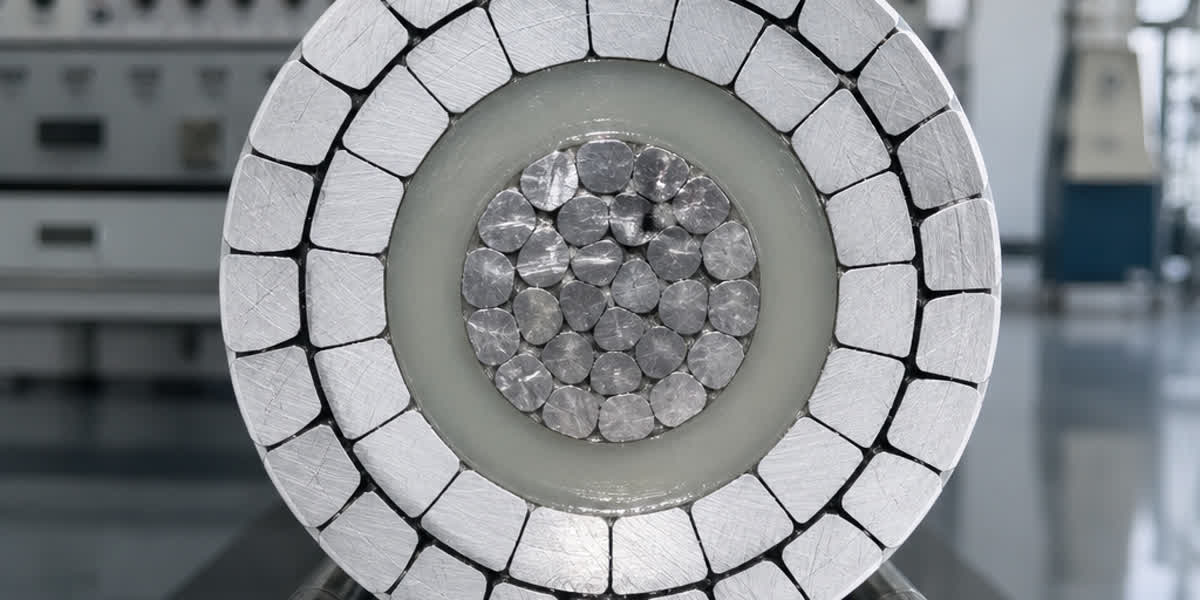
- 360° Circumferential Neutral Shielding (Concentric Design): In a high-quality concentric cable, the phase conductor is positioned in the geometric center, surrounded by solid cross-linked polyethylene (XLPE) insulation, and completely encased in a continuous helical layer of bare or insulated annealed copper or aluminum wires. Any external puncture attempt using a nail, blade, or probe must penetrate the grounded concentric neutral screen before reaching the energized central core. This immediately creates a line-to-neutral dead short circuit, clearing the upstream service fuse or circuit breaker and protecting the network from unmetered draw.
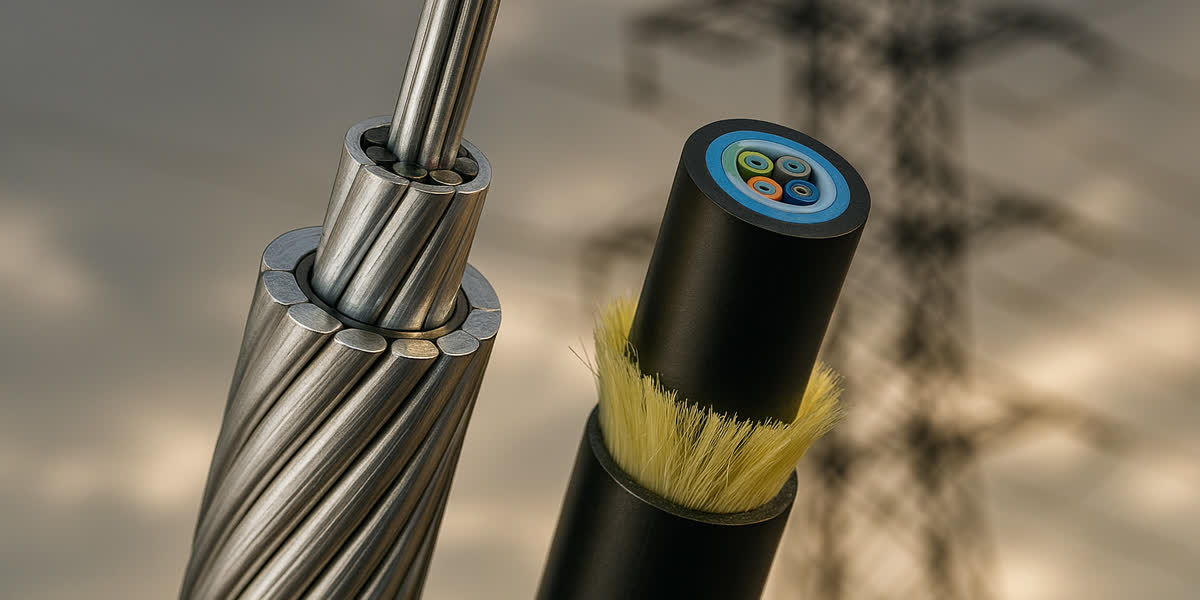
- Insulated Bundle Geometry (Aerial Bundled Cable): With aerial bundled cable (ABC), all phase conductors and neutral messengers are independently covered with heavy-duty, carbon-black-pigmented, weather-resistant XLPE insulation. There are no exposed conductive surfaces along the span. Tapping requires specialized fittings and hardware such as torque-limiting insulation piercing connectors (IPCs).
- Earth Continuity Monitoring (Split Concentric): By dividing the outer concentric layer into distinct neutral return conductors and bare earth continuity conductors separated by polymeric fillers, any illegal splice or neutral tampering unbalances the circuit, instantly tripping residual current devices (RCDs) or ground-fault relays.
2. Deep Dive: Concentric Cable Engineering (CNE vs. SNE)
Concentric cables represent the global gold standard for low-voltage service drop connections (from overhead distribution poles or underground distribution pillars directly to customer meter enclosures).
+---------------------------------------------------------------------------------------------------+
|                        CONCENTRIC CABLE STRUCTURAL CROSS-SECTION COMPARISON                       |
+-----------------------------+-----------------------------------+---------------------------------+
|  FEATURE                    | STRAIGHT CONCENTRIC (CNE)         | SPLIT CONCENTRIC (SNE)          |
+-----------------------------+-----------------------------------+---------------------------------+
|  Phase Conductor            | Stranded Copper or Aluminum (EC)  | Stranded Copper or Aluminum (EC)|
|  Phase Insulation           | XLPE (90°C) or PVC (70°C)         | XLPE (90°C) or PVC (70°C)       |
|  Concentric Layer Layout    | 100% Bare Neutral Wires (Helical) | Insulated Neutral + Bare Earth  |
|  Separator / Binder         | Non-hygroscopic Polyester Tape    | Polyester Tape + Polymeric Filler|
|  Outer Protective Sheath    | Heavy-Duty UV-Resistant PVC or PE | Heavy-Duty UV-Resistant PVC or PE|
|  Earthing System Topology   | TN-C-S (PME - Protective Multiple)| TN-S (Separate Neutral & Earth) |
|  Theft Detection Capability | Dead Short Circuit upon Puncture  | RCD/Earth Leakage Relay Trip    |
+---------------------------------------------------------------------------------------------------+
2.1 Straight Concentric Cable (CNE)
Manufactured to British Standard BS 7870-3.12 and South African Standard SANS 1507-6, Combined Neutral and Earth (CNE) concentric cables feature a single phase or multi-phase central core insulated with XLPE. A helical cage of circular copper or aluminum wires surrounds the core with a lay length designed to ensure complete geometric coverage.
- Operating Principle: The concentric layer serves as the combined protective earth and neutral (PEN) conductor.
- Anti-Theft Advantage: Complete physical enclosure of the live phase. Unauthorized tapping cannot access the phase conductor without contacting the neutral screen, producing an immediate high-current fault that blows the 60A/100A pole-mounted fuse.
2.2 Split Concentric Cable (SNE)
Manufactured in accordance with BS 7870-3.11, Separate Neutral and Earth (SNE) concentric cables are engineered for TN-S earthing networks where utility regulations prohibit combined PEN conductors on consumer service drops.
- Internal Architecture: The concentric layer is split into two distinct functional sections:
- Insulated Neutral Wires (coated with PVC or polymer).
- Bare Earth Continuity Conductors.
- Polymeric dummy separation strings (fillers) that physically isolate the neutral group from the earth group around the circumference.
- Anti-Theft Advantage: If a consumer attempts to disconnect the neutral return to bypass meter current transformers (CTs) or introduces a local ground rod return, the differential current between the insulated neutral and the bare earth triggers upstream earth-leakage monitoring systems.
3. Aerial Bundled Cable (LV-ABC) Systems for Anti-Theft Overhead Grid Modernization
While concentric cables provide tamper-proof service drops from pole to meter, replacing bare overhead lines (AAC/ACSR) with Low Voltage Aerial Bundled Cables (LV-ABC) secures the primary distribution backbone against illegal hooking.
+---------------------------------------------------------------------------------------------------+
|                        LV-ABC SYSTEM CONFIGURATIONS (NFC 33-209 vs. AS/NZS 3560)                  |
+-----------------------------+------------------------------------+--------------------------------+
|  SYSTEM TYPE                | MECHANICAL SUPPORT                 | TYPICAL APPLICATION            |
+-----------------------------+------------------------------------+--------------------------------+
|  Self-Supporting ABC (4-Core)| Tension shared across 4 XLPE cores| Rural & peri-urban distribution |
|  Supported ABC (Messenger)  | High-strength AAAC insulated neutral| Urban high-theft corridors     |
|  Compact Service ABC        | 2-core (Duplex) or 3-core (Triplex)| Final drop to residential meter |
+---------------------------------------------------------------------------------------------------+
Key Engineering Features of Anti-Theft LV-ABC:
- Zero Bare Conductive Surface: All energized phases and neutral conductors are fully enclosed in cross-linked polyethylene containing minimum 2.5% carbon black for exceptional UV resistance and dielectric strength (tested to 4 kV AC for 1 minute underwater).
- Elimination of Hooking: Illegal wire hooks cannot make electrical contact through the tough, carbon-loaded XLPE insulation jacket.
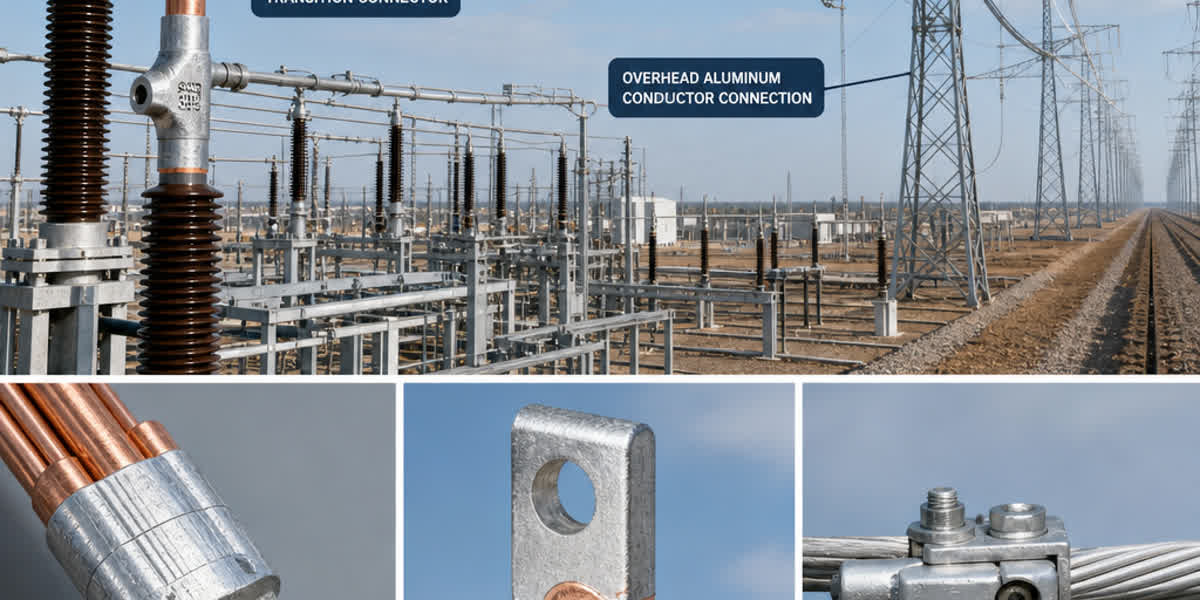
- Shear-Head Insulation Piercing Connectors (IPC): Authorized branch and service connections are made using specialized IPCs conforming to EN 50483-4 and NFC 33-020. These connectors incorporate torque-shear nuts that snap off cleanly at a calibrated torque (e.g., 14 Nm to 18 Nm), leaving a smooth, tamper-evident outer profile that cannot be unbolted or retrofitted without specialized tooling.
- Secure Termination: Utilizes compressed cable lugs and bi-metallic terminals inside lockable, pole-mounted distribution boxes.
4. Technical Specifications & Comparative Performance Data
Below is an engineering comparison of standard anti-theft cable configurations manufactured by Zhengzhou Sitong Cable Co., Ltd. (SiTong Cable) conforming to international utility specifications:
| Parameter / Specification | 1x16/16 mm² Cu CNE Concentric | 1x25/25 mm² Al CNE Concentric | 1x16/16 mm² Cu SNE Split Concentric | 3x70+1x54.6 mm² LV-ABC | 4x25 mm² Armoured Power Cable (SWA) |
|---|---|---|---|---|---|
| Applicable Standard | BS 7870-3.12 / SANS 1507 | BS 7870-3.12 / IEC 60502-1 | BS 7870-3.11 | NFC 33-209 / AS/NZS 3560 | IEC 60502-1 / BS 5467 |
| Conductor Material | Class 2 Stranded Copper | Class 2 Stranded Aluminum | Class 2 Stranded Copper | Stranded AL (Phase) / AAAC (Messenger) | Class 2 Stranded Copper |
| Phase Insulation | XLPE (90°C) | XLPE (90°C) | XLPE (90°C) | Weather-Resistant XLPE | XLPE (90°C) |
| Neutral / Screen Construction | Helical Plain Cu Wires | Helical Plain Al Wires | Insulated Cu Neutral + Bare Cu Earth | Insulated AAAC 54.6 mm² Core | Round Galvanized Steel Wires (SWA) |
| Conductor DC Resistance (20°C) | 1.15 Ω/km | 1.20 Ω/km | 1.15 Ω/km (Phase) | 0.443 Ω/km (Phase) | 0.727 Ω/km |
| Current Rating (In Air @ 40°C) | 108 A | 89 A | 108 A | 215 A | 114 A |
| Short-Circuit Rating (1 sec) | 2.29 kA | 2.35 kA | 2.29 kA | 6.58 kA | 3.58 kA |
| Outer Sheath | Heavy-Duty Black PVC / PE | Heavy-Duty Black PE (UV) | Heavy-Duty Black PVC / PE | Carbon-Black XLPE | Heavy-Duty Black PVC (ST2) |
| Anti-Tapping Rating | ⭐⭐⭐⭐⭐ (Maximum) | ⭐⭐⭐⭐⭐ (Maximum) | ⭐⭐⭐⭐⭐ (Maximum + Earth Fault) | ⭐⭐⭐⭐ (High) | ⭐⭐⭐⭐⭐ (Maximum Mechanical) |
| Primary Deployment | Pole-to-Meter Service Drop | Low-Cost Rural Service Drop | Urban Subdivisions (TN-S) | Overhead Distribution Main | Direct Burial / Commercial Feed |
5. Electrical Sizing, Voltage Drop & Loss Reduction Methodology
When engineering anti-theft network conversions, correct conductor sizing ensures compliance with voltage drop limits and optimizes project payback period.
+---------------------------------------------------------------------------------------------------+
|                           VOLTAGE DROP & NON-TECHNICAL LOSS EQUATIONS                             |
+---------------------------------------------------------------------------------------------------+
|  1. Single-Phase Voltage Drop:      ΔV = 2 * I * L * (R * cos(φ) + X * sin(φ))                    |
|  2. Percentage Voltage Drop:        %ΔV = (ΔV / V_nominal) * 100%  [Target ≤ 3.0% to 5.0%]       |
|  3. Annual Energy Loss Saved (kWh): E_saved = 8760 * ΔP_theft * LF                                |
|  4. Utility Project Payback (Yrs):  Payback = CAPEX_retrofit / (E_saved * Tariff_per_kWh)         |
+---------------------------------------------------------------------------------------------------+
Voltage Drop Calculation Parameters:
- $I$ = Design load current in Amperes ($A$)
- $L$ = One-way circuit route length in kilometers ($km$)
- $R$ = AC conductor resistance at operating temperature (90°C for XLPE) in $\Omega/km$
- $X$ = Inductive reactance of the cable configuration in $\Omega/km$ (typically $0.075 - 0.095\ \Omega/km$ for concentric cables)
- $\cos(\phi)$ = Operating load power factor (typically $0.85 - 0.95$ lagging)
- $LF$ = Network loss load factor ($LF = 0.2 \cdot DF + 0.8 \cdot DF^2$, where $DF$ is daily diversity factor)
Sample Utility ROI Case Study:
A suburban feeder serving 1,200 residential consumers in Latin America experienced an average 24% NTL with bare overhead conductors. The utility retrofitted the network with 8.5 km of 3x70+54.6 mm² LV-ABC distribution mains and 1,200 individual 1x16 mm² aluminum concentric service drops. * Results: Non-technical losses dropped from 24.2% to 1.8% within 60 days of commissioning. * Financial Payback: The entire capital expenditure (cables, IPCs, tamper-evident meter boxes, installation labor) achieved a complete financial payback in 8.4 months.
6. Tamper-Evident Installation & Hardware Engineering
Selecting superior anti-theft cable is ineffective if improper installation hardware allows unauthorized access. A robust anti-theft installation requires an integrated system of specialized accessories:
+---------------------------------------------------------------------------------------------------+
|                        TAMPER-EVIDENT HARDWARE & ACCESSORY INTEGRATION                            |
+---------------------------------------------------------------------------------------------------+
|  [ Pole Top / LV-ABC Line ]                                                                      |
|        │                                                                                          |
|        ├─► Shear-Head Insulation Piercing Connector (IPC) ──► Calibrated Torque Snap-Off Nut      |
|        │                                                                                          |
|        ├─► UV-Stabilized Wedge Dead-End Clamp ─────────────► Non-Removable Conductor Locking      |
|        │                                                                                          |
|  [ Concentric Service Drop ]                                                                     |
|        │                                                                                          |
|        ├─► Heavy-Wall Heat Shrink Breakout Boot ───────────► Moisture & Puncture Barrier          |
|        │                                                                                          |
|        └─► Sealed Polycarbonate Meter Enclosure ───────────► Transparent Optical Inspection       |
+---------------------------------------------------------------------------------------------------+
Installation Best Practices:
- Continuous Unbroken Runs: Concentric service drop cables must run as a single, continuous piece from the overhead pole connection directly into the sealed utility meter enclosure without intermediate joints.
- Torque-Shear IPCs: Always use IPCs with double shear-heads conforming to EN 50483. Tighten until the primary hexagonal nut shears off cleanly, confirming correct contact pressure without conductor damage.
- Sealing and Breakout Boots: At cable terminations, bundle the concentric neutral wires and seal the crotch using heat-shrinkable, adhesive-lined breakout boots to prevent water ingress and galvanic corrosion.
- Bi-Metallic Compression Lugs: When transitioning from aluminum conductors to copper meter terminals, install friction-welded bi-metallic cable lugs with antioxidant paste to eliminate galvanic oxidation and thermal runaway.
7. Decision Matrix: Selecting the Optimal Anti-Theft Solution
Use this engineering decision matrix to determine the optimal cable technology for your utility project:
| Operating Environment & Grid Challenge | Recommended Cable Technology | Primary Standard | Key Hardware & Accessories |
|---|---|---|---|
| High-Density Urban Squatter / Peri-Urban Areas | Single-Phase / Three-Phase Copper Split Concentric (SNE) | BS 7870-3.11 | Heat-shrink breakout boots, tamper-proof transparent meter boxes |
| Rural Electrification & Low-Income Distribution | Single-Phase Aluminum Concentric (CNE) | SANS 1507-6 / BS 7870-3.12 | Strain clamps, service wedge dead-ends, IPCs |
| Overhead Secondary Grid Modernization | 4-Core or Supported LV-ABC (XLPE) | NFC 33-209 / AS/NZS 3560 | Shear-bolt IPCs, suspension assemblies, anchoring brackets |
| Commercial / Light Industrial Service Feeders | 4-Core Steel Wire Armoured (SWA) Cable | IEC 60502-1 / BS 5467 | Brass outdoor SWA cable glands, compression terminal lugs |
| Heavily Wooded & High-Risk Wildfire Corridors | Medium Voltage Tree Wire / Covered Conductor | ICEA S-121-733 | Polyethylene insulating spacers, porcelain pin insulators |
8. Frequently Asked Questions (FAQ)
Q1: What makes Concentric Cable significantly more effective against power theft than standard Twin-and-Earth or Flat cables?
A: In standard flat or twin cables, the live and neutral conductors run side-by-side, allowing unauthorized individuals to carefully strip the outer sheath and tap the live phase with a needle or clamp without contacting the neutral. In a concentric cable, the live phase is enclosed entirely inside a 360-degree helical metallic screen of neutral wires. It is physically impossible to penetrate the insulation and reach the central phase without touching the neutral screen, which instantly produces a dead short circuit, blowing the service fuse.
Q2: When should a utility choose Split Concentric (SNE) over Straight Concentric (CNE)?
A: Split Concentric (SNE) is mandatory in TN-S earthing systems where utility regulations require separate protective earth (PE) and neutral (N) conductors to the consumer board. Furthermore, SNE cables offer enhanced anti-theft detection: if an illegal tap attempts to cut the neutral to bypass the energy meter while using a ground rod, the resulting earth-leakage imbalance immediately trips upstream RCDs and differential protection relays.
Q3: Can Insulation Piercing Connectors (IPCs) on ABC lines be reused after an unauthorized tap is removed?
A: No. High-quality IPCs engineered to EN 50483 utilize single-use shear-head nuts. Once tightened to the designated torque, the hex head shears off, leaving a tamper-proof round collar that cannot be easily retightened or re-positioned. If an illegal connection is detected and removed, the damaged cable segment must be insulated with a waterproof mastic patch or cold-shrink repair sleeve, and a new IPC must be installed.
Q4: How does XLPE insulation compare to PVC in anti-theft concentric and ABC cables?
A: XLPE (Cross-Linked Polyethylene) offers superior thermal rating (90°C continuous operating temperature and 250°C short-circuit withstand, compared to 70°C and 160°C for PVC). This enables higher current carrying capacity for the same conductor size. Moreover, XLPE exhibits superior mechanical toughness, resistance to environmental stress cracking, and low-temperature flexibility, making it vastly more resistant to knife cuts and physical piercing.
Q5: What quality tests must utilities verify when purchasing anti-theft concentric cables from manufacturers?
A: Utilities should require certified type-test reports from ISO/IEC 17025 accredited laboratories covering: (1) Spark testing of phase insulation at 6 kV to 10 kV AC, (2) Conductor DC resistance at 20°C conforming to IEC 60228, (3) Minimum 100% circumferential coverage of the concentric neutral wire layer, (4) Carbon black dispersion and UV aging tests on the outer sheath, and (5) 4 kV AC 5-minute dielectric water immersion withstand.
9. SiTong Cable: Manufacturing Excellence in Utility Revenue Protection
Zhengzhou Sitong Cable Co., Ltd. (SiTong Cable) is a premier international manufacturer of low-voltage and medium-voltage power distribution cables, supplying national utilities, rural electrification boards, and EPC contractors across more than 80 countries.
Our Manufacturing & Quality Assurance Advantages:
- Advanced Planetary Screening Equipment: Our specialized high-speed concentric stranding lines ensure uniform helical pitch and 100% circumferential neutral coverage, guaranteeing zero exposed gaps.
- Precision Triple-Layer Extrusion: High-purity XLPE compounds with continuous laser diameter monitoring and online spark testing ensure zero dielectric defects.
- International Standards Compliance: Certified under ISO 9001, ISO 14001, and OHSAS 18001, with products fully compliant with BS 7870, SANS 1507, IEC 60502, NFC 33-209, and ASTM standards.
- Turnkey Cable & Accessory Packages: Complete end-to-end solutions including concentric cables, ABC lines, shear-bolt IPCs, anchoring clamps, and bi-metallic terminals.
Internal Links & Product Resources
- 👉 Browse our complete Concentric Cable product range
- 👉 Explore our Low Voltage Aerial Bundled Cable (LV-ABC) solutions
- 👉 View Heavy-Duty Armoured Power Cables (SWA/STA)
- 👉 Discover Distribution Line Fittings, Clamps & Hardware
- 👉 Browse Bi-Metallic Cable Lugs & Terminals
- 👉 Contact the SiTong Cable Engineering Team for Tenders & Custom Specs
📬 Direct Sales & Engineering Inquiries: sales@sitongcable.com | 📞 Phone/WhatsApp: +86-371-69176007