Galvanized Steel Wire Strand: Complete Technical Guide and Selection for Power, Telecommunication, and Industrial Applications
Galvanized Steel Wire Strand: Complete Technical Guide and Selection for Power, Telecommunication, and Industrial Applications
Introduction
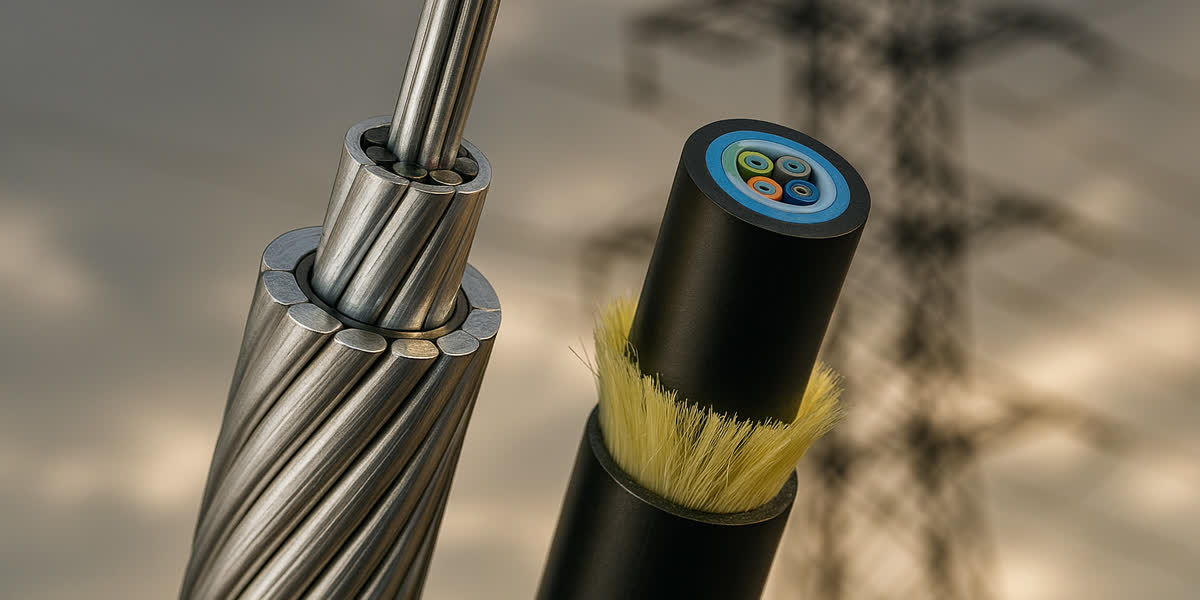
Galvanized steel wire strand (镀锌钢绞线) is a high-strength metal product formed by twisting multiple galvanized steel wires together. Renowned for its exceptional tensile strength, corrosion resistance, and long service life, it is widely used in power transmission, telecommunication engineering, bridge construction, mining support, and marine engineering. As one of the leading global suppliers, SiTong Cable strictly follows international standards including ASTM A475, IEC 60888, BS 183, and GB/T 3428 to deliver high-quality galvanized steel wire strand products.
This comprehensive guide covers the technical specifications, manufacturing processes, selection criteria, and application scenarios of galvanized steel wire strand, helping engineering procurement professionals make informed purchasing decisions.
What Is Galvanized Steel Wire Strand?
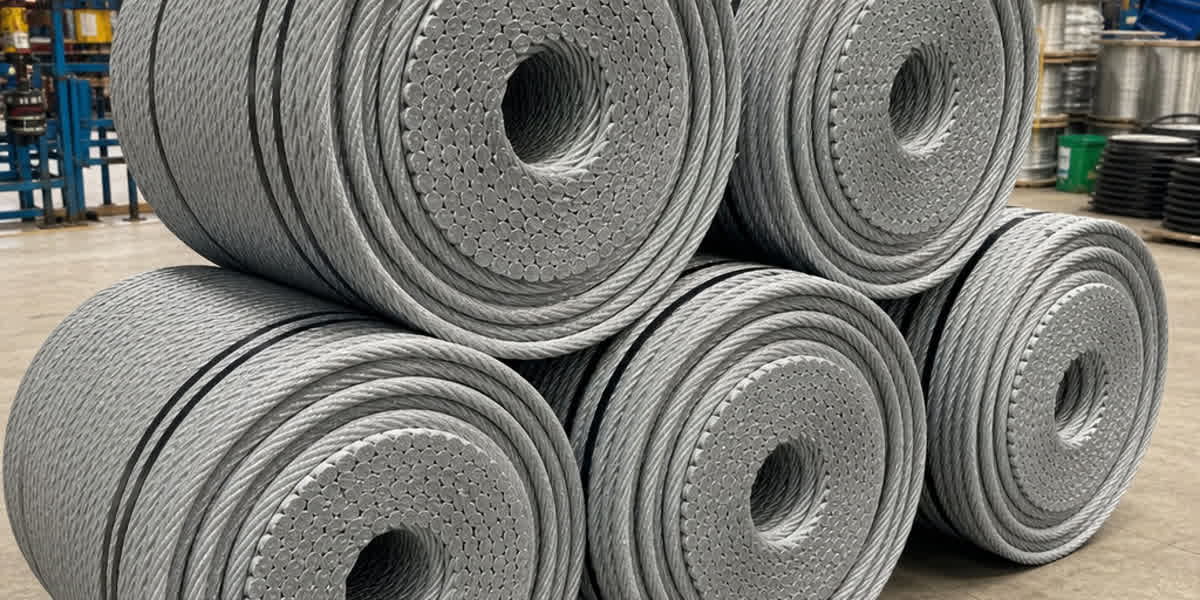
Galvanized steel wire strand is made from high-carbon steel wires that undergo cold drawing followed by hot-dip galvanizing, then are stranded together in a specific configuration. The zinc coating forms a dense iron-zinc alloy protective layer on the steel surface, effectively isolating the base metal from air and moisture to prevent rust and corrosion.
Core Structure
- Individual wire: High-carbon steel (typically 0.50%-0.85% carbon content) processed through wire drawing
- Zinc coating: Hot-dip galvanized, graded as Class A, Class B, or Class C depending on environmental exposure
- Stranding configuration: Common structures include 1×3, 1×7, 1×19, 1×37 — the notation represents "layers × wires per layer"
Common Stranding Configurations
| Configuration | Wire Arrangement | Typical Diameter Range | Typical Application |
|---|---|---|---|
| 1×3 | 3 wires | 4.0-6.0 mm | Guy wires, anchor lines |
| 1×7 | 1 center + 6 outer | 4.0-12.0 mm | Overhead ground wire, guy wires |
| 1×19 | 1+6+12 | 6.0-20.0 mm | OPGW support, bridge cables |
| 1×37 | 1+6+12+18 | 12.0-28.0 mm | Long-span load bearing, suspension bridges |
Technical Specifications and Standards
International Standards Comparison
| Standard | Scope | Key Requirements |
|---|---|---|
| ASTM A475 | USA — Zinc-Coated Steel Wire Strand | Coating class, breaking strength, lay length |
| IEC 60888 | IEC — Zinc-coated steel wires for stranded conductors | Diameter tolerance, coating uniformity |
| BS 183 | UK — Galvanized steel wire | Elongation, torsion test |
| GB/T 3428 | China — Zinc-coated steel wire for overhead stranded conductors | Tensile strength, coating adhesion |
| IS 3986 | India — Galvanized steel wire strand | Stranding quality, breaking load |
Key Performance Parameters
| Parameter | Description | Typical Value |
|---|---|---|
| Tensile Strength | Minimum breaking stress of individual wire | 1320-1620 MPa |
| Zinc Coating Weight | Mass of zinc per unit area | Class A: 180-320 g/m² |
| Elongation | Percentage elongation before fracture | ≥3.5% (250mm gauge) |
| Lay Ratio | Ratio of lay length to strand diameter | 12-16× |
| Service Temperature | Applicable ambient temperature range | -40°C to +80°C |
Zinc Coating Grade Comparison
| Grade | Min. Coating Weight (g/m²) | Suitable Environment | Expected Service Life |
|---|---|---|---|
| Class A | 180-220 | General atmospheric | 10-15 years |
| Class B | 230-280 | Industrial, coastal areas | 15-25 years |
| Class C | 290-350 | Highly corrosive, marine | 25-40 years |
Manufacturing Process
- Rod feed: High-carbon steel rod (e.g., SWRH82B)
- Wire drawing: Multi-pass drawing to target diameter
- Annealing (optional): Relief of work hardening
- Pickling: Removal of surface oxide scale
- Fluxing: Application of flux to enhance zinc adhesion
- Hot-dip galvanizing: Immersion in molten zinc at 440-460°C
- Wiping: Control of coating thickness and uniformity
- Stranding: Twisting per specified lay length and direction
- Final inspection: Tensile, torsion, coating adhesion tests
Applications
1. Power Industry
Galvanized steel wire strand is indispensable in power line construction:
- Overhead ground wire (OPGW companion): Acts as the strength member for optical fiber composite overhead ground wires
- Guy wire: Used for pole and tower anchoring
- Shield wire: Lightning protection for overhead transmission lines
- Grounding grid: Conductor wire in substation grounding systems
In ACSR (Aluminum Conductor Steel Reinforced), galvanized steel wire strand serves as the load-bearing core providing tensile strength. See our ACSR Conductor product page for details.
2. Telecommunication Engineering
- Communication pole guy wires: Anchoring telecommunication poles
- ADSS cable support: Messenger wire for All-Dielectric Self-Supporting fiber optic cables
3. Infrastructure Construction
- Prestressed structures: Prestressed concrete in bridges, stadiums
- Suspension bridge main cables: Load-bearing cables for long-span suspension bridges
- Slope protection: Active and passive net protection systems
- Highway guardrails: Anchor lines for guardrail posts
4. Mining & Colliery
- Hoisting rope: Wire rope for mine hoists (requires MT standard compliance)
- Anchor cable support: Cable bolting systems for mine tunnels
5. Marine & Port Engineering
- Mooring lines: Port vessel mooring systems
- Offshore platform anchoring: Anchoring systems for offshore platforms (requires Class C coating)
Selection Guide
Four-Step Selection Process
- Identify application: Choose stranding configuration and strength grade based on intended use
- Assess environmental corrosivity: Class A for general environments, Class B for coastal/industrial, Class C for severe corrosion
- Calculate load requirements: Based on maximum working tension — safety factor typically 3-5×
- Confirm standard compliance: Select corresponding international standard per destination country
Common Selection Questions
Q: What's the difference between galvanized steel wire strand and the steel core in ACSR? A: Galvanized steel wire strand can be used independently as a finished product, while the galvanized steel core in ACSR is the strength member of the aluminum conductor. The material is the same but applications differ. For conductor products, see AAAC Conductor.
Q: How do I identify the galvanizing grade? A: Through coating weight testing — Class A is approximately 180-220 g/m², Class B 230-280 g/m², Class C 290-350 g/m². Salt spray testing can also evaluate corrosion resistance duration.
Q: What is the expected service life? A: Class A in general environments: 10-15 years. Class C in marine environments: 25-40 years. Actual life depends on environmental corrosivity and maintenance conditions.
FAQ
Q1: What is the difference between galvanized steel wire strand and ordinary wire rope?
Galvanized steel wire strand uses hot-dip galvanized wires and is designed for static load applications. Ordinary wire rope may use bright (uncoated) or electro-galvanized wires with inferior corrosion resistance. Wire strand is typically used for static load-bearing, while wire rope is designed for dynamic operations like hoisting.
Q2: How is galvanizing quality tested?
Common methods include: Preece Test (copper sulfate immersion test), gravimetric coating weight measurement, and microscopic thickness measurement. Both ASTM A475 and IEC 60888 specify standard test procedures.
Q3: Can galvanized steel wire strand contact other metals?
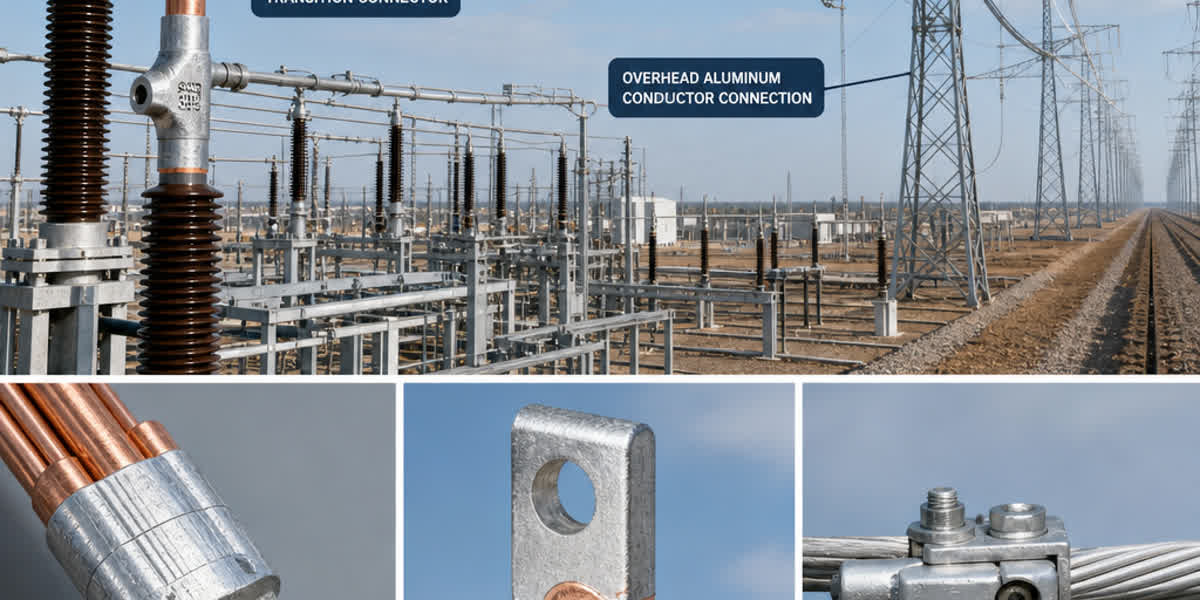
Direct contact with metals of significantly different galvanic potential (such as copper, stainless steel) should be avoided to prevent galvanic corrosion. Use galvanized transition fittings or insulation isolation when necessary.
Q4: What are the storage and transport requirements?
- Avoid contact with corrosive media (acids, alkalis, salts)
- Store in dry, ventilated environment
- Keep elevated at least 100mm off the ground
- Periodically inspect coating condition for long-term storage
Q5: Can galvanized steel wire strand be welded?
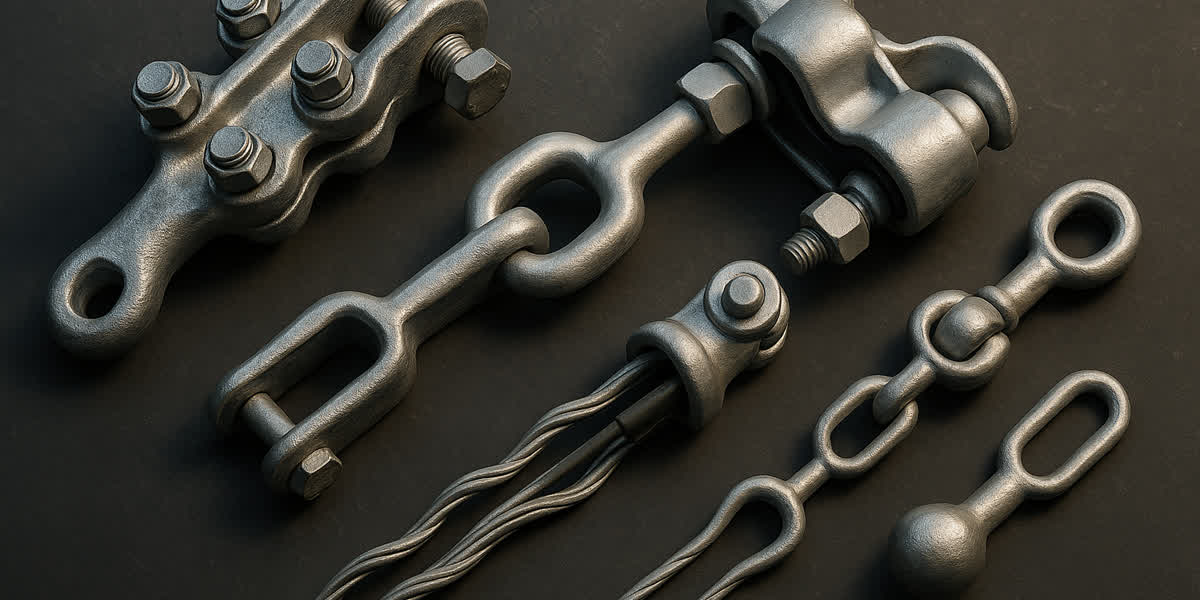
Direct welding is not recommended — it destroys the zinc coating and reduces strength. Use specialized fittings such as wedge clamps, compression connectors, or dead-end assemblies instead.
Why Choose SiTong Cable?
- ✅ International certification: Products certified to ASTM, IEC, BS, GB and other international standards
- ✅ Full grade coverage: Class A/B/C zinc coating grades for diverse global environments
- ✅ Complete size range: 1×3 to 1×37 configurations, diameter range 4.0-28.0mm
- ✅ Quality traceability: Each batch includes full test reports and traceability codes
- ✅ Export expertise: Products exported to 50+ countries across Southeast Asia, Middle East, Africa, and South America
Conclusion
Galvanized steel wire strand is a critical material for power, telecommunication, and infrastructure projects. Proper selection requires careful consideration of application environment, load requirements, service life expectations, and standard compliance. With years of manufacturing experience and rigorous quality control, SiTong Cable delivers high-quality galvanized steel wire strand that meets international standards for customers worldwide.
For detailed technical data sheets or quotations, please visit the SiTong Cable website or contact our technical team via the Contact Us page.